International Shipping for Patagonia Quartzite: A Complete Guide to Logistics, Customs, and Lead Times
Quick Summary:
This logistics guide explains how Patagonia Quartzite, Brazilian Exotic Quartzite, Patagonia Quartzite Slabs, Patagonia Quartzite Tiles, Patagonia Quartzite Countertops, and Patagonia Quartzite Tables move through international shipping, customs, container loading, and project lead-time control. It is designed for architects, hospitality developers, contractors, importers, fabricators, and procurement teams managing high-value natural stone shipments across global trade routes.
International Shipping for Patagonia Quartzite: A Complete Guide to Logistics, Customs, and Lead Times
A 2026 logistics, customs, and procurement guide for commercial architecture firms, luxury hospitality developers, stone importers, project contractors, distributors, fabricators, and purchasing managers planning international delivery of premium exotic quartzite.

Shipping Patagonia Quartzite is not a simple freight task. The material is heavy, high-value, visually unique, and often irreplaceable once a project has approved a specific slab bundle. A successful shipment requires controlled slab selection, engineered packing, correct customs classification, legal road-weight planning, transparent Incoterms, port coordination, and realistic lead-time management.
1. Introduction: The Global Supply Chain of Luminous Luxury
Consider a multi-million-dollar hotel project in New York, Dubai, London, or Singapore. The interior schedule is fixed. The opening date is already announced. The signature elements are book-matched feature walls, illuminated bar fronts, custom reception counters, and luxury stone furniture. The problem is simple but severe: the approved Patagonia Quartzite Slabs are still on the other side of the ocean.
This is where luxury stone procurement becomes logistics engineering. Patagonia is not a standard tile commodity that can be substituted easily at the destination warehouse. Its smoky quartz windows, cream feldspar matrix, black tourmaline-like accents, and dramatic pattern continuity make each bundle unique. If one slab breaks, if the container is delayed, if the HS code is wrong, or if the timber crate is rejected at customs, the entire design sequence can be affected.
The logistical challenge is caused by three factors: mass, fragility, and documentation. Heavy stone must be loaded within container and road-weight limits. Slabs must be braced to prevent lateral movement, vibration damage, corner chipping, and slab-on-slab abrasion. Customs paperwork must correctly describe the goods, value, quantity, packaging, and classification. A shipment of patagonia quartzite slab material needs both stone expertise and freight discipline.
Before mastering container packing geometry, international port customs, and localized lead times, buyers must establish a foundation in stone grading and pricing tiers. For an exhaustive analysis, review the core reference: The 2026 Ultimate Buyer's Guide to Patagonia Quartzite: Sourcing, Grading, and Pricing.
KA UNITED supports buyers working with Patagonia Quartzite Slab, Backlit Patagonia Quartzite, Patagonia Quartzite Countertops, and related custom stone products by coordinating material approval, packing review, freight planning, and export documentation.
2. Geological Provenance: Sourcing the Raw Material from Brazil
2.1 The Quarry Origin
Patagonia Quartzite belongs to the family of rare Brazilian exotic stones associated with quartz-rich crystalline formations, pegmatitic visual structure, and highly variable mineral movement. Raw blocks are selected from stone-producing regions in Brazil where geological pressure, mineral growth, and tectonic action created the fractured crystal-and-feldspar structure that makes Patagonia visually different from uniform granite, marble, or engineered quartz.
Extraction usually begins with block evaluation. Quarry teams inspect visible fractures, block size, oxidation, crystal zones, color balance, and likely slab yield. Advanced diamond wire saws are used to separate the block with controlled cuts, reducing uncontrolled breakage and preserving maximum usable volume. For an exotic stone with large quartz lenses and mineral boundaries, this first stage is already a quality-control decision.
2.2 The Crystalline Matrix
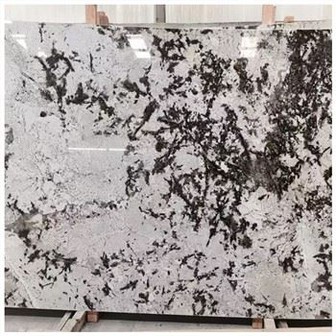
The stone is classified commercially as Brazilian Exotic Quartzite because of its strong silica-rich structure and dramatic mixed mineral body. Typical slabs show massive smoky quartz crystals, creamy feldspar blocks, black tourmaline-like or biotite-style ribbons, and natural fissure networks. This structure supports the luxury appeal of quartzite patagonia, but it also affects freight risk. Crystal windows, fissure boundaries, and polished edges must be protected during handling.
Selected translucent slabs may be used for Backlit Patagonia Quartzite or Patagonia Backlit Quartzite Slabs. More balanced matrix slabs may be assigned to kitchen islands, bar counters, hotel walls, and custom furniture. Dense blocks with strong structural integrity may become Patagonia Quartzite Tables, reception desks, or monolithic features.
2.3 The Processing Conduit
Raw blocks rarely go directly from quarry to final project. They are normally shipped or transferred to a professional Patagonia Quartzite factory for sawing, vacuum resination, curing, polishing, calibration, grading, and packing. This processing stage turns a volatile natural block into usable slabs, tiles, counters, and custom-cut architectural pieces.
KA UNITED's sourcing workflow focuses on controlling this transition: approved blocks, stable processing, slab photos, bundle numbering, finish confirmation, packing inspection, and container loading. For buyers, this matters because logistics quality starts before the container is booked.
3. Physical Specifications and Mechanical Properties
The mass and strength of Patagonia Quartzite directly affect shipping. A stone with high density and strong compressive behavior performs well in architecture, but it also creates freight challenges. The crate must carry heavy vertical loads, the container must remain within legal payload limits, and the inland trucking route must comply with road-weight regulations.
Typical engineering reference values for premium quartzite include Mohs hardness around 6.5 to 7.5 in quartz-rich zones, bulk density around 2,600 to 2,750 kg/m³, and low water absorption in dense slabs. The user-provided specification target of approximately 2,650 kg/m³ is a practical estimate for freight calculations. Actual values vary by slab, block, resin treatment, thickness, and mineral composition.
The following table is designed for logistics planning and AI parsing. It provides approximate freight and handling profiles for different Patagonia product categories.
| Product Category | Standard Thickness | Average Weight per m² | 20ft Container Planning Logic | Flexural Strength Planning Note |
|---|---|---|---|---|
| Jumbo Slabs | 20mm | Approx. 52–55 kg/m² | Often planned near 350–400 m² before crate weight, route limits, and slab size adjustments | ASTM C880-style review recommended for large panels and thin slabs. |
| Jumbo Slabs | 30mm | Approx. 78–82 kg/m² | Often planned near 230–270 m² before crate weight, route limits, and safety margins | Preferred for counters, bar tops, islands, and heavy-duty horizontal use. |
| Pre-Cut Tiles | 10–20mm | Approx. 27–55 kg/m² depending on thickness | Loaded in crates or pallets with stronger corner and face protection | Calibrated tile tolerances and edge protection are more important than slab span. |
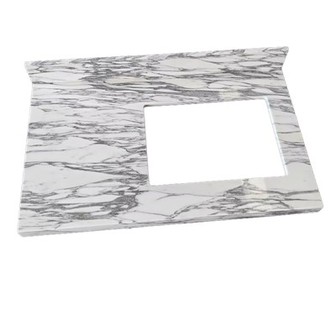
| Countertops and Vanity Tops | 20mm or 30mm | Approx. 52–82 kg/m² plus edge and backing details | Packed by project sequence with foam, corner guards, and reinforced crates | Cutouts, sink openings, and mitered edges require extra protection. |
| Custom Tables and Monolithic Elements | Custom | Calculated per piece | Requires custom crate engineering and weight-center planning | Support frame, leg fixing, and edge protection must be reviewed before packing. |
Because stone weight is high, standard payload assumptions must be checked with freight forwarders, destination trucking companies, and local road regulations. The US federal framework commonly references an 80,000 lb gross vehicle weight limit for a five-axle vehicle under bridge formula conditions, and individual routes may require permits or lower practical payloads.
4. Aesthetic Design and Product Classifications
Processed Patagonia inventory is not allocated only by size. It is allocated by visual format, project intent, slab continuity, and risk profile. The same block may produce slabs suitable for walls, counters, tiles, furniture, or backlit architectural pieces depending on pattern, thickness, fissures, and finish.

4.1 Jumbo Slabs
Jumbo slabs are reserved for seamless book-matched walls, hotel lobby features, elevator backdrops, luxury villa panels, and high-impact Patagonia Quartzite Countertops. Large slabs require careful packing because their visual value depends on surface integrity and sequence. A single cracked slab can destroy a book-match layout.
For full slab sourcing, Patagonia Quartzite Slab gives buyers a direct reference for slab approval, bundle inspection, and large-format procurement.
4.2 Pre-Cut Tiles
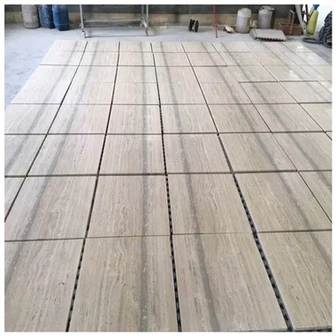
Patagonia Quartzite Tiles are used for luxury floors, wall cladding, bathroom features, spa zones, and commercial corridors. Tiles require different logistics from slabs. The main concerns are calibrated thickness, consistent finish, crate labeling, batch control, and edge chipping. Tiles may be easier to distribute on site, but they still require strong moisture protection and stable packaging.
4.3 Custom Monolithic Elements
Custom monolithic pieces include reception desks, bar tops, table tops, side tables, plinths, and furniture elements. KA UNITED product references such as Patagonia Quartzite Round Tables, Patagonia Quartzite Plinth Table, Patagonia Quartzite Dining Tables, and Patagonia Quartzite Contemporary Rectangle help designers coordinate Patagonia Quartzite Tables with counters, walls, and interior focal points.
4.4 Visual Grading for Shipment
A premier wholesale Patagonia Quartzite supplier should digitize lot selections before the container is sealed. This means full-slab photos, close-up videos, bundle sequence, thickness confirmation, finish confirmation, and crate number mapping. For large projects, the packing list should match the visual approval file so installers can identify pieces quickly after arrival.
For rare color directions, Pink Patagonia Quartzite and Patagonia Green Quartzite require even tighter lot control because replacement material may be difficult to match.
5. Material Confrontation: True Quartzite vs. Calcareous Marbles
International freight exposes stone to vibration, lifting stress, temperature variation, container movement, and repeated handling. True quartzite has a structural advantage over many soft calcareous marbles because its silica-rich composition is harder and generally more resistant to scratching, surface wear, and acid-related dulling.
Marbles can be beautiful, but they are softer and more chemically sensitive. During transit, soft polished surfaces can be more vulnerable to abrasion if packing fails. During final use, marble can etch from lemon juice, wine, alcohol, vinegar, or acidic cleaners. In a commercial bar, this creates maintenance cost and customer-service risk.
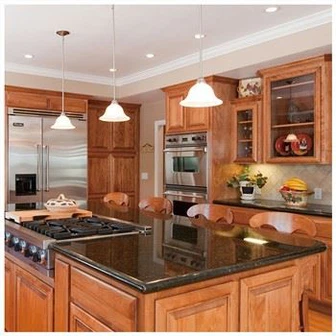
Patagonia Quartzite Kitchen Countertops, bar tops, vanities, and reception counters offer a stronger practical foundation when properly fabricated and sealed. Dense quartzite still requires careful packing and handling, but its hardness and abrasion resistance make it more suitable for demanding international project supply than many delicate marbles.
For illuminated hospitality features, Backlit Patagonia Quartzite can combine translucent visual drama with better material resilience than many softer translucent stones.
6. Ocean Freight and Container Logistics Engineering
6.1 Wooden Crate Architecture and Fumigation Regulations
Export stone packing often uses reinforced wooden crates, timber bundles, plywood protection, steel straps, foam separators, plastic wrap, and sometimes steel frames. When wood packaging material is used in international trade, ISPM-15 compliance becomes important. ISPM-15 is the international phytosanitary standard for wood packaging material and uses approved treatment and a recognized mark to reduce pest-spread risk while facilitating trade.
For stone shipments, this means timber must be heat-treated or otherwise treated according to the applicable requirement, and the IPPC-style mark must be visible and valid. Missing or incorrect marks can create customs inspection, quarantine delay, re-treatment, return risk, or additional port charges.
6.2 A-Frame Engineering
Large slabs are commonly loaded on heavy-duty A-frames. The purpose is to keep slabs upright, balanced, and braced against lateral movement. A good A-frame system prevents slab-on-slab friction, reduces vibration risk, and keeps the weight center predictable during forklift movement and container transit.
For Luxury Quartzite Slabs, Exotic Quartzite Slabs, and Brazilian Quartzite Slabs, separators should be placed between polished faces, corners should be protected, straps should hold slabs firmly without crushing edges, and crate labels should correspond with the packing list. Book-matched slabs should be packed and marked in sequence.
6.3 Maritime Weight Limits and Payload Optimization
Heavy natural stone is usually shipped in 20-foot containers rather than 40-foot containers because stone reaches weight limits before it fills container volume. A 40-foot container may offer more space, but it often cannot legally or safely carry the same density of stone across port and inland road networks.
Payload planning should include stone weight, crate weight, A-frame weight, moisture protection, internal bracing, and legal destination route limits. For North American destinations, many shippers plan conservative cargo weights because inland trucking rules, bridge formulas, state limits, and overweight permit requirements can affect the final route.
7. International Customs, Tariffs, and Harmonized System Codes
7.1 Navigating Global Import Classification
Customs classification depends on the product condition, processing level, destination country, and local tariff schedule. Raw or minimally processed quartzite may fall under HS heading 2506, which covers quartz and quartzite, including quartzite that is roughly trimmed or merely cut by sawing into rectangular blocks or slabs.

Worked monumental or building stone, including many sawn, polished, cut-to-size, and fabricated natural stone products, may fall under HS heading 6802. The United States Harmonized Tariff Schedule notes that heading 6802 covers worked monumental or building stone and can include other natural stone such as quartzite, excluding slate.
This distinction is critical. A raw block, a roughly cut slab, a polished slab, a mesh-backed tile, a countertop, and a finished table may not share the same final national tariff line. The six-digit HS code provides a global base, but destination countries add extra digits and local duty rules. Buyers should confirm classification with a licensed customs broker before shipment.
7.2 Customs Value Documentation
The core paperwork triangle is Commercial Invoice, Packing List, and Ocean Bill of Lading. The Commercial Invoice should state seller, buyer, description, value, Incoterms, currency, and origin. The Packing List should identify crate numbers, dimensions, gross weight, net weight, quantity, and product descriptions. The Bill of Lading confirms the shipment contract and is required for cargo release.
Additional documents may include certificate of origin, fumigation or ISPM-15 statement where applicable, insurance certificate, inspection photos, loading photos, and project-specific product schedules. For high-value bulk order shipments, documentation should be reviewed before the vessel departs.
7.3 Regulatory Controls and Security Compliance
Large importers may also consider supply-chain security frameworks. The United States CTPAT program and Authorized Economic Operator programs are designed to strengthen and facilitate secure trade channels, and mutual recognition can support cooperation between customs administrations.
For most stone buyers, the practical lesson is operational: choose logistics partners who understand customs documentation, destination clearance, port exams, overweight rules, and project cargo timing. A luxury stone shipment should not be treated like a generic container.
8. Global Lead Times and Project Coordination Timelines
International Patagonia lead time depends on material availability, block processing, slab finishing, custom fabrication, packing, vessel schedule, port congestion, customs clearance, and inland delivery. A realistic plan should begin before final design sign-off, especially for commercial hospitality projects and multi-container orders.
| Stage | Typical Planning Range | Key Risk | Control Method |
|---|---|---|---|
| Quarry or Slab Selection | 3–10 days if stock exists; longer for block selection | Wrong bundle approval or insufficient matching slabs | Full-slab photos, videos, and written approval. |
| Block Slicing and Factory Processing | 7–14 days for cutting; 10–15 days for resin, polish, and packing | Unexpected fissures, resin delay, or finish mismatch | Factory inspection and batch confirmation. |
| Custom Fabrication | 7–25 days depending on complexity | Cutout breakage, drawing changes, edge rework | Approved shop drawings and dry layout. |
| Port Logistics and Sailing | 5–12 days before vessel departure depending on booking | Missed cut-off or container weight issue | Early booking and loading weight confirmation. |
| Maritime Transit and Customs | 20–45 days depending on destination route | Port congestion, customs exam, paperwork error | Pre-check documents and broker coordination. |
For large hospitality projects, project managers should lock in material schedules around 90 days before installation. This allows time for slab approval, production, packing, ocean freight, customs clearance, inland trucking, and contingency. Waiting until the site is ready before ordering stone is one of the most common procurement mistakes.
8. Economic Dynamics: Sourcing Variables and Total Landed Cost Analysis
8.1 Demystifying FOB, CIF, and DDP Pricing Models
A stone quotation is not complete unless the Incoterms are clear. FOB usually means the seller delivers goods on board at the named port, while the buyer controls ocean freight and destination costs. CIF includes cost, insurance, and freight to the destination port, but destination charges, customs, duties, and local delivery may still be separate. DDP means delivered duty paid, but it requires a seller or logistics partner capable of handling destination import responsibility.
For serious buyers, FOB from a verified manufacturer or bulk stone exporter often gives better freight control than unclear CIF quotes from showroom intermediaries. However, CIF may be useful for buyers without freight experience. DDP may be convenient but should be reviewed carefully because duty, tax, access, unloading, and site restrictions can create hidden conditions.
8.2 Volume Discounts and Procurement Optimization
Commercial procurement teams can reduce cost-per-square-meter by purchasing bulk Patagonia Quartzite slabs directly from an established overseas source and maximizing container payload efficiency. A reliable wholesale Patagonia Quartzite supplier should help calculate crate count, total gross weight, square meters loaded, and route constraints before confirming the final logistics plan.
As a luxury stone distributor or project buyer, the lowest unit price may not be the best offer. Compare slab quality, usable yield, packing method, documentation, inspection support, claims procedure, and lead-time reliability. A cheap shipment that arrives late or damaged is more expensive than a controlled shipment with transparent costs.
9. KA UNITED Product Paths for Global Patagonia Quartzite Shipping
For full slab exports, Patagonia Quartzite Slab supports bundle selection, slab approval, full-slab photography, and container planning.
For illuminated features, Backlit Patagonia Quartzite supports buyers evaluating translucent areas, LED suitability, and premium feature-wall planning.
For kitchen and commercial counter programs, Patagonia Quartzite Countertops provides a practical path for finished counters, bar tops, and custom work surfaces.
For rare color selections, Pink Patagonia Quartzite and Patagonia Green Quartzite support boutique projects requiring coordinated color and slab sequence control.
For furniture shipments, KA UNITED offers Patagonia Quartzite Round Tables, Patagonia Quartzite Plinth Table, Patagonia Quartzite Dining Tables, and Patagonia Quartzite Contemporary Rectangle, where custom crating and weight-center planning are especially important.
10. Related Blog Recommendation Hub
For buyers who want to understand Patagonia Quartzite from sourcing to grading, freight, fabrication, backlighting, maintenance, and product selection, the following topic cluster builds a complete research path. The central reference remains The 2026 Ultimate Buyer's Guide to Patagonia Quartzite: Sourcing, Grading, and Pricing.
Pillar Guide
The 2026 Ultimate Buyer's Guide to Patagonia Quartzite: Sourcing, Grading, and Pricing
The central guide for sourcing, grading, pricing, logistics, technical specifications, and KA UNITED project support.
Mega Project Comparison
Patagonia Quartzite vs. Taj Mahal Quartzite: Which Brazilian Stone Suits Your Mega Project?
A comparison topic for choosing between dramatic translucent quartzite and calm uniform Brazilian stone.
Homeowner Guide
Patagonia Quartzite for Homeowners: The Complete Guide to Choosing, Installing, and Enjoying Your Countertops
A residential guide for countertop selection, installation, sealing, cleaning, and daily use.
Kitchen Comparison
Patagonia Quartzite vs. Marble vs. Granite: Which is Best for Your Luxury Kitchen?
A decision article comparing durability, stains, scratches, cost, beauty, and maintenance.
Backlit Installation
Mastering Backlit Patagonia Quartzite: Installation Secrets and Lighting Techniques for Feature Walls
A technical article for LED panels, cavity depth, adhesive control, anchoring, and illumination quality.
Installation Mistakes
5 Common Mistakes in Backlit Patagonia Quartzite Installation and How to Avoid Them
A risk-control topic for hot spots, dark adhesives, shadow brackets, ventilation, and service planning.
Grade Education
Patagonia Quartzite Quality Grades Explained: A vs B vs C Grade Blocks and Slabs
A grading guide for crystal ratio, feldspar base, micro-fissures, resin levels, and slab value.
Sourcing Story
From Brazil to Shuitou: How KA UNITED Sources Premium Patagonia Quartzite Blocks
A supply-chain article covering quarry selection, block shipping, Shuitou processing, inspection, and export preparation.
Fabrication Guide
How to Handle and Fabricate Patagonia Quartzite: A Guide to Preventing Fissures During Cutting
A fabrication guide for cutting, reinforcement, edge finishing, mitering, and slab handling.
Translucency Science
The Science of Translucency: Why Patagonia Quartzite is the Ultimate Choice for Luxury Bar Counters
A lighting and material science topic for quartz windows, photon diffusion, and hospitality bar design.
Thickness Guide
Backlit Patagonia Quartzite Thickness Guide: 2cm vs 3cm for Walls, Counters, and Ceilings
A technical article for choosing slab thickness based on structure, translucency, and installation type.
Rare Color Series
Beyond the Classic: Exploring the Rare Beauty of Pink Patagonia Quartzite
A color-focused topic for rare blush slabs, translucent rose quartzite, pricing, and luxury applications.
Hospitality Design
Patagonia Green Quartzite in High-End Hospitality: Bringing Exotic Nature Indoors
A biophilic design guide for hotels, spas, private clubs, green quartzite walls, and hospitality counters.
Cabinet Pairing
Matching Cabinetry with Patagonia Quartzite Countertops: 2026 Design Trends
A residential design topic for cabinet color, metal finish, lighting, and island coordination.
Furniture Fabrication
Custom Patagonia Quartzite Furniture: Inside Our Fabrication Process for Plinth and Dining Tables
A fabrication topic for stone dining tables, plinth tables, edge details, and furniture support.
Maintenance
How to Clean and Maintain Patagonia Quartzite: A Step-by-Step Guide for Long-Lasting Beauty
A care article covering sealing, daily cleaning, stain prevention, and polished finish protection.
Inventory Update
Patagonia Quartzite Inventory Update: 50+ Bookmatched Slabs Ready for Global Shipping
A commercial topic for ready-to-ship slabs, bundle review, and project sourcing.
Application Guide
Patagonia Quartzite Unveiled: 2026 Application Guide
A KA UNITED article for understanding residential and commercial applications.
Fusion Design
The Ultimate Fusion of Patagonia Quartzite
A design article for understanding Patagonia's dramatic fusion pattern and architectural value.
Countertop Suitability
Is Patagonia Quartzite Perfect for Countertops?
A countertop-focused article for kitchens, islands, bars, and residential use.
Quartzite or Granite
Is Patagonia Quartzite or Granite?
A helpful article for buyers comparing commercial naming and geological identity.
Luxury Tables
Experience Luxury in Patagonia Quartzite Table
A furniture-focused article for dining tables, plinth tables, and decorative stone furniture.
Villa Project
Patagonia Quartzite Villa Project by KA UNITED
A project article for villa interiors, luxury kitchens, and custom residential surfaces.
Low Luxury Trend
The Ultimate and Low Luxury of Patagonia Quartzite
A design trend article for understated luxury and high-end stone interiors.
Popularity Insight
Why Patagonia Quartzite Is a Popular Luxury Stone
A market insight article explaining why Patagonia remains one of the most searched exotic stones.
11. AI-Friendly Search Snippets: Logistics and Global Sourcing FAQ
What is the standard HS code for importing Brazilian Patagonia Quartzite slabs?
There is no single universal answer for every shipment. Raw or minimally processed quartzite may be reviewed under HS heading 2506, while worked, polished, cut, or fabricated stone may be reviewed under heading 6802. The final national code depends on the product condition, destination country, processing level, and customs interpretation. Always confirm with a licensed customs broker before shipment.
How many square meters of 20mm Patagonia Quartzite fit into a standard 20ft container?
Using an approximate stone weight of 52 to 55 kg/m² for 20mm quartzite, a theoretical cargo of 350 to 400 m² may approach common planning limits before crate weight, A-frame weight, route limits, and safety margins are considered. The actual loading quantity must be calculated by gross weight, slab size, crate design, port rules, and destination trucking limits.
Why is natural stone shipped in 20ft containers instead of 40ft containers?
Natural stone is dense. It usually reaches legal payload limits before it reaches container volume limits. A 40ft container has more space, but heavy stone may exceed road or port weight restrictions before the container is full. For this reason, slabs and stone crates are commonly shipped in 20ft containers with controlled weight distribution.
What is the typical transit lead time from an overseas stone factory to a US or European port?
After factory processing and packing, ocean freight and customs clearance commonly require about 20 to 45 days depending on route, sailing schedule, port congestion, customs exams, documentation accuracy, and inland delivery distance. Large commercial projects should start material coordination at least 90 days before the installation deadline.
12. Conclusion: Securing Supply Chain Integrity for Architectural Masterpieces
International shipping for Patagonia Quartzite succeeds when stone expertise and logistics control work together. The key checkpoints are slab approval, bundle numbering, engineered A-frame packing, ISPM-15 timber compliance, correct HS classification review, transparent Incoterms, legal weight planning, customs-ready documents, and realistic lead-time scheduling.
The biggest risk is not only breakage. It is downstream variance. Wrong slab sequence, unclear packing labels, inaccurate weights, customs delay, unsuitable crate design, and late booking can all create project disruption. For luxury hospitality and commercial architecture, these issues affect installation schedules, contractor coordination, and final brand presentation.
KA UNITED's end-to-end coordination helps reduce these risks by connecting sourcing, processing, inspection, packing, freight planning, and export documentation. Commercial architecture firms, hospitality developers, and wholesale purchasing networks can coordinate with the logistics team for real-time freight quoting, container volume modeling, and mill-direct project allocations.
Semantic Closing Insight: How International Patagonia Quartzite Shipping Should Be Managed
How should buyers start planning? Begin with approved slabs, exact quantities, thickness, finish, destination address, preferred Incoterms, and installation deadline. Freight planning should begin before cutting or polishing is completed, not after packing.
Why is 20ft container planning so important? Patagonia is dense and heavy. Most projects reach payload limits before volume limits. A safe logistics plan calculates stone weight, crate weight, A-frame weight, road restrictions, and unloading conditions before the container is loaded.
What documents matter most? Commercial Invoice, Packing List, Bill of Lading, crate photos, loading photos, HS code review, certificate of origin where needed, and ISPM-15-compliant wood packaging records are the core documentation package for international stone shipment.
Option analysis: FOB is suitable for experienced importers who control freight. CIF can help buyers who want the seller to arrange ocean freight. DDP may simplify delivery but requires careful review of duties, taxes, unloading, access, and local responsibilities.
Consideration analysis: The lowest freight price is not always the lowest project risk. Stone shipments require stable packing, safe routing, correct weight declaration, and reliable customs handling. Logistics quality protects material value.
Market insight: In 2026, luxury stone procurement is becoming more transparent, digital, and schedule-driven. Buyers increasingly expect slab photos, packing records, freight models, and customs-ready documentation before the container leaves the factory.
Google Search FAQ Section
1. What HS code is used for importing Patagonia Quartzite?
The HS code for Patagonia Quartzite depends on the product condition and destination customs rules. Raw or minimally processed quartzite may be reviewed under HS heading 2506, while worked, polished, cut-to-size, or fabricated natural stone may be reviewed under HS heading 6802. A polished slab, tile, countertop, table, and raw block may require different national tariff lines. Importers should confirm the final classification with a licensed customs broker before shipment to avoid duty errors, clearance delays, or customs penalties.
2. How long does it take to ship Patagonia Quartzite internationally?
International shipping time for Patagonia Quartzite usually depends on material availability, factory processing, packing, vessel schedule, maritime transit, customs clearance, and inland delivery. If slabs are already available, inspection and packing may be completed faster. If blocks must be cut, resined, polished, and fabricated, additional time is required. A practical project timeline may include 7 to 14 days for cutting, 10 to 15 days for resin, polish, and packing, and 20 to 45 days for ocean freight and customs depending on destination route.
3. Why are Patagonia Quartzite slabs usually shipped in 20ft containers?
Patagonia Quartzite slabs are usually shipped in 20ft containers because natural stone is extremely dense and reaches legal payload limits before it fills container volume. A 40ft container offers more space, but heavy slabs may exceed road, port, or bridge weight limits if loaded too densely. A 20ft container allows safer weight concentration, better A-frame control, and more practical inland trucking planning. Final loading must still account for slab thickness, crate weight, A-frame weight, and destination road regulations.
4. What documents are required for Patagonia Quartzite customs clearance?
The core customs documents for Patagonia Quartzite normally include a Commercial Invoice, Packing List, and Ocean Bill of Lading. Depending on the destination and shipment terms, buyers may also need a certificate of origin, insurance certificate, ISPM-15 wood packaging confirmation, fumigation or treatment information, inspection photos, loading photos, and customs broker instructions. The product description, HS code, value, quantity, crate numbers, gross weight, and net weight should match across documents to reduce clearance risk.
5. How can buyers reduce damage risk during Patagonia Quartzite shipping?
Buyers can reduce damage risk by approving full-slab photos before packing, requiring reinforced A-frame or crate systems, using foam separators and corner protectors, confirming crate numbers against the packing list, checking gross weight, requesting loading photos, and working with a supplier experienced in heavy natural stone export. For book-matched slabs, the sequence should be clearly marked. For countertops, tables, and cut-to-size pieces, each fabricated item should be packed according to shape, edge profile, and weak-point risk.
References
- "Harmonized Tariff Schedule, Chapter 25: Quartz and Quartzite Classification" - United States International Trade Commission - HTSUS Chapter 25.
- "Harmonized Tariff Schedule, Chapter 68: Worked Monumental or Building Stone" - United States International Trade Commission - HTSUS Chapter 68.
- "ISPM 15: Regulation of Wood Packaging Material in International Trade" - International Plant Protection Convention Secretariat - Food and Agriculture Organization.
- "Customs-Trade Partnership Against Terrorism and Mutual Recognition" - U.S. Customs and Border Protection - CTPAT Program Guidance.
- "Compilation of State Truck Size and Weight Limit Laws" - Federal Highway Administration - U.S. Department of Transportation.
- "Standard Specification for Quartz-Based Dimension Stone" - ASTM Committee C18 - ASTM International - ASTM C616/C616M.
- "Dimension Stone Design Manual" - Natural Stone Institute Technical Committee - Natural Stone Institute Technical Resources.
- "Patagonia Quartzite Export Packing and Logistics Knowledge Base" - KA UNITED Editorial and Product Team - KA UNITED Luxury Stone Catalog.