Do Quartz Countertops Fade
The Quartz Countertop Fade and How To Prevent?
In any home improvement project, or other commercial real estate project, people's knowledge of artificial quartz stone comes from information on the internet and may have one or another misconception about artificial quartz stone. Although artificial quartz stones have many advantages, such as durability, beauty, ease to clean, etc. But artificial quartz stone is not diamond indestructible, it also has some shortcomings, but these do not affect its use in indoor spaces, such as its fading consumers may remain very resistant to this point, but the fading of artificial quartz stone does not affect its durability. Quartz fades a little more slowly than other materials and can be made to fade less noticeably through some routine maintenance or ways. So this is one of the reasons why artificial quartz stone is so popular with consumers in projects such as kitchens and bathrooms.
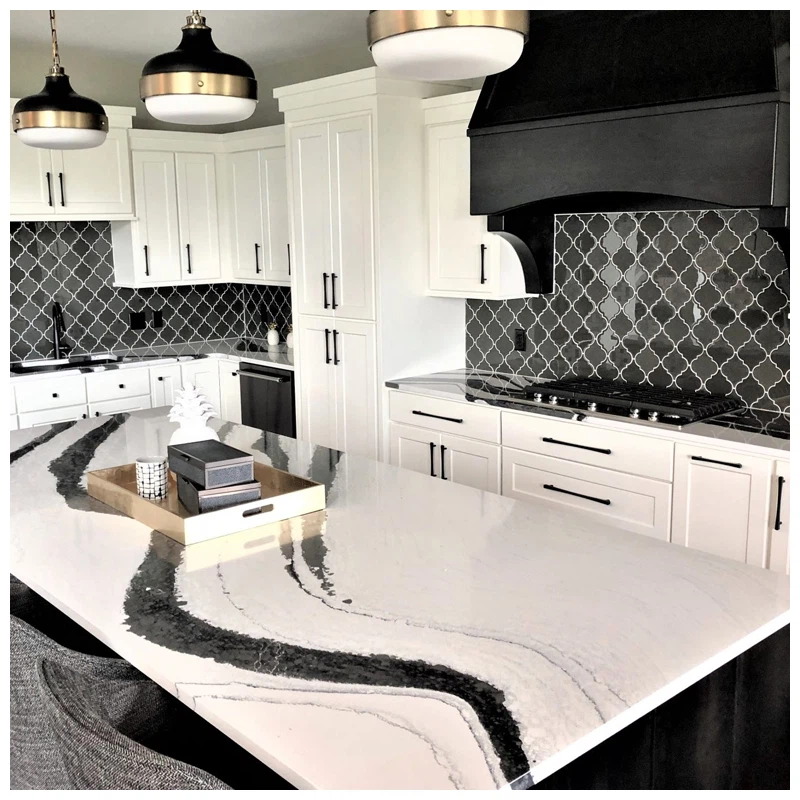
Quartz stone, because of the very hard, waterproof, wear-resistant factors favored by many homeowners. But in the process of daily use will inevitably encounter some problems, quartz stone countertops because of the hard texture once they fracture will not be like artificial stone or acrylic as seamless repair. Recently there are many readers to the editor's message asking quartz stone will not fade. Here I will explain to you!
For the quartz stone countertop fading and bleeding color, we must distinguish. Fading refers to the color slowly fading over time under certain conditions, the deeper the color fading more obvious, but good quartz stone fading is uniform, thin, and almost invisible to the naked eye. Color bleeding refers to the external color bleeding into the plate, but qualified quartz stone is not bleeding color! Quartz stone plate surface smooth by 36 high-speed water polishing and polishing, the surface does not have any capillary pores, so the color bleeding means that you buy the quartz stone is not qualified.
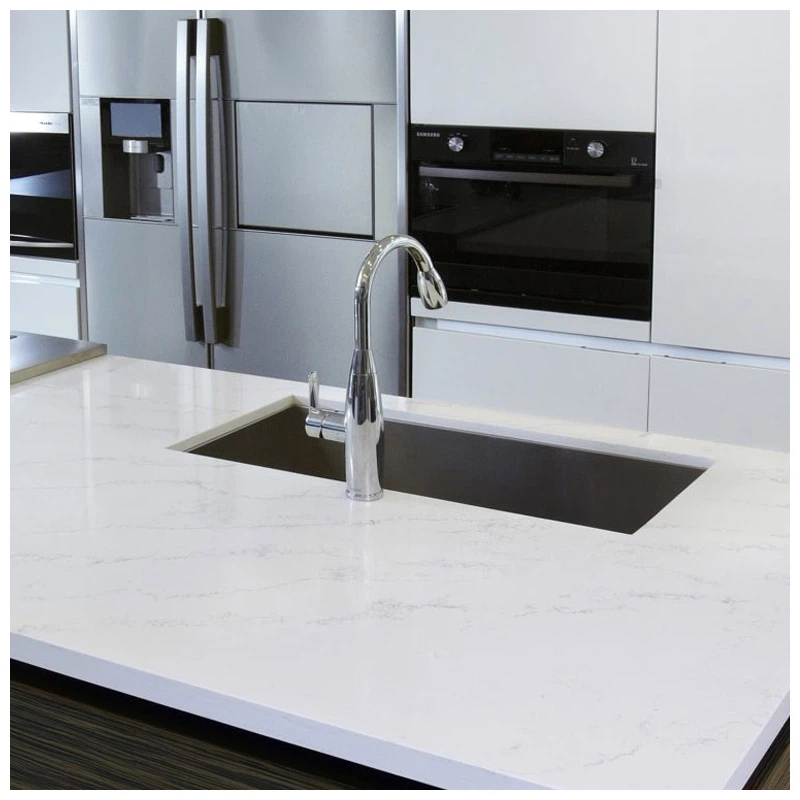
What factors cause Engineered Quartz Fade?
1. Direct Sunlight
As mentioned earlier, one of the most common causes of fading is exposure to sunlight. Prolonged exposure to UV rays can cause the colors in quartz to fade or become dull.
2. Harsh Cleaners
Another common cause of fading is the use of harsh cleaners. Some cleaners can be too abrasive and they can damage the surface of your quartz countertops. Over time, this can cause the colors to fade or become dull.
3. Acids and Chemicals
Another common cause of fading is exposure to acids and chemicals. Quartz is a natural stone and it is porous. This means that it can absorb liquids, which can include acids and chemicals.
4. Excessive Heat
Excessive heat can also cause fading. Quartz is a heat-resistant material but it can still be damaged by extreme temperatures.
5. Age
The final common cause of fading is age. Over time, the colors in quartz can start to fade and become dull. This is because the molecules in the quartz are breaking down and losing their color.

How to prevent quartz stone countertop fading?
You should keep the countertop clean and clean it in time after use. Use water and rags, if necessary, can use neutral detergent cleaning, cleaning after the use of dry rags dry. Regular waxing, floor wax, and car wax can be used. The surface can be sprayed with a brightening agent, after spraying the surface is as bright as new can effectively prevent fading speed.
Getting high-quality Quartz Slabs and Countertops From KA UNITED, which is one of the best choices for your coming projects.