Bathroom Vanity Cabinet Manufacturers: Replacement-Part Schedules for Hotel Operations
Bathroom Vanity Cabinet Manufacturers: Replacement-Part Schedules for Hotel Operations
A hotel engineer once placed two nearly identical drawer fronts on a workshop bench and asked which one belonged to room 612. One was warm gray, one was slightly greener, and both had the same handwritten note: "guest vanity." The original contractor had left six spare fronts, but no finish code, handing, drilling pattern, or room variant.

Don't ask me how I know how useless an unlabeled spare can be. Here's what I'd do: give every replaceable component a code before the hotel opens. This is where you don't cheap out on a handover schedule that operations can read three years later.
What Bathroom Vanity Cabinet Manufacturers Should Record for Replacement
I start from the approved package and break it into serviceable components: carcass where replaceable, door, drawer front, inner drawer, runner, hinge, handle, shelf, access panel, fixing, top, backsplash, sink, and relevant seals. Each item receives a project code, variant, dimensions, finish, hardware identity, and relationship to the room schedule.
The Complete Guide to Bathroom Vanity Top and Cabinet Packages for Hotels and Residences keeps the replacement record tied to the complete assembly. A drawer front may look correct yet use a drilling pattern that does not fit the approved runner or handle. A stone top may match color but place the sink cutout over a different cabinet layout.
Hotel vanity replacement parts need names that remain meaningful after staff changes. "Type B left" may work during installation and fail later when there are three Type B drawings. I use project, room variant, component, handing, finish, and revision in the controlled code.
Preserve Cabinet Finish and Handing Beyond Handover
Finish records include substrate, face material, color code, sheen, texture, edge treatment, grain direction where relevant, and the approved sample reference. I also photograph the component under a named light with a neutral reference in frame. The photograph supports identification; it does not replace the physical sample.
A left-side drawers vanity shows why one front style can appear in several handed arrangements. Replacement records must distinguish left and right drawers, exposed ends, wall returns, accessible units, and service panels.
A spare stored face-down on a damp floor may warp or mark before anyone needs it. Here's what I'd do: define storage orientation, protection, environmental limits from the relevant material and supplier guidance, and a periodic condition check. Don't ask me how I know what cardboard can print onto a high-sheen face after two humid summers.
Build a Cabinet Hardware Schedule That Operations Can Use
A cabinet hardware schedule lists manufacturer, exact series or model, finish, drilling pattern, load or use designation where relevant, adjustment method, location, quantity, and approved substitute process. I keep installation instructions and warranty records with it.
Handles deserve the same discipline. A visually similar replacement can change projection, grip, hole spacing, or finish tone. In a narrow bathroom, 8 millimeters of extra projection may catch a robe or interfere with an adjacent door. This is where you don't cheap out on exact codes.
The floating vanity unit with sink may combine wall fixing, drawers, basin, mirror, and electrical features. The replacement schedule must separate cabinet service parts from plumbing or electrical items governed by other responsible trades and local requirements.
Connect Stone Tops and Sinks to the Original Vanity Package
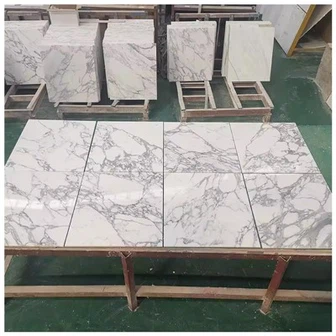
Stone and engineered-surface replacements need material identity, finish, thickness, edge, cutout template, faucet holes, backsplash, support, and visible relationship to adjacent pieces. Natural stone may require a reserved spare or an accepted future variation plan. Manufactured surfaces may need retained batch information where available.

The bathroom vanity top range provides the material routes. I keep the exact project choice in the schedule. A generic "white top" note cannot distinguish warm quartz, cool marble-look material, or a natural surface with visible movement.
For sink damage, the replacement record needs the exact basin model and current availability plan. Changing the basin can change the cutout, clips, overflow, faucet reach, waste, drawer clearance, and top support. Here's what I'd do: treat any basin substitution as a package review, not a maintenance shopping shortcut.
Decide Which Vanity Spare Parts Deserve Physical Stock
Vanity spare parts should follow risk, lead time, replacement frequency, room count, storage capacity, finish stability, component availability, and the hotel's maintenance plan. I do not invent one universal spare percentage. The project team and operator make the decision with supplier input.
Small coded hardware may be practical to hold. Large stone tops consume space and can break if stored badly, yet a reserved same-batch piece may matter where visual continuity is important. Cabinet fronts sit between those cases. Their finish can age differently in storage than in occupied rooms, so the record needs realistic expectations.
The Hotel Bathroom Vanities: Golden Sample Control for Repeated Guestrooms article explains the benchmark used to judge a replacement. Spare quantity without a comparison standard only creates a larger pile of unidentified parts.
Use a Hotel Operations Handover Table
| Component | Identity record | Storage or access | Replacement trigger |
|---|---|---|---|
| Door or drawer front | Variant, handing, finish, drilling | Protected physical spare or reorder file | Damage beyond local repair |
| Runner, hinge, handle | Exact model, finish, location | Coded maintenance stock | Wear, failure, finish damage |
| Vanity top | Material, finish, cutout, edge, batch | Approved storage or remake record | Structural or irreparable surface damage |
| Sink and plumbing interface | Model, template, waste, clearance | Supplier and service file | Breakage or obsolete model |
Bathroom vanity cabinet manufacturers should hand over both the parts and the logic for identifying them. I want one index that leads from hotel room to variant, component, current drawing, approved sample, stored spare, and reorder information.
The Bathroom Cabinet Supplier Guide for Hotel Vanity Projects helps assign supplier responsibility before production. The replacement schedule proves how that responsibility survives handover.
I return to Complete Guide to Bathroom Vanity Top and Cabinet Packages for Hotels and Residences because a top, sink, drawer, and cabinet remain connected during repair. Thank goodness for one package record when a guest damages two components in the same room.
Test the Handover Record with a Room-Level Retrieval Drill
Before closing the job, I give the maintenance team one room number and ask them to find its vanity variant, finish code, handed components, top specification, sink model, hardware, current drawing, and available spare. If the answer requires calling the original project manager, the handover is not finished.
The drill often exposes simple problems. A left drawer front may have the same visible size as a right front but different drilling. A replacement handle may share a collection name while using another center distance. A stone top may fit the cabinet width yet carry the wrong bowl template. Don't ask me how I know; the almost-correct spare wastes the most time.
Separate physical stock from the reorder route
I mark whether each item is stored, supplier-held, locally available, made to order, or dependent on a retained sample. I also record realistic lead-time assumptions and the date they were checked. Product lines change. Finishes age. A three-year-old note that says "available" is not maintenance information.
This is where you don't cheap out. Protect a limited number of high-risk physical pieces, but preserve identities for everything. Here's what I'd do: audit the storage room after opening, then again after the first maintenance season. That catches borrowed parts, damaged packaging, and labels that did not survive real operations.
The Hard-Won Lesson: Six Spare Fronts and Not One Usable Identity
A hotel stored six drawer fronts after handover. Three years later, room 612 needed one. The fronts carried no finish, handing, drilling, or variant codes, and the approval sample had been discarded. Two pieces looked close under the maintenance-room fluorescent light; both looked greener under the guestroom's 3000K lighting. The hotel finally reordered a small batch after we reconstructed the specification from old drawings and photographs.
The Lesson: Label every spare with variant, handing, finish, drilling, revision, and sample reference before it enters storage.
Understanding Replacement Planning in Today's Hotel Bathroom
Why does replacement planning begin before production ends?
The factory still has current drawings, finish references, hardware data, and trained setup when the order closes. Bathroom vanity cabinet manufacturers can capture that information accurately then. Reconstructing it after staff, suppliers, and product lines change costs more.
Should every component be stocked physically?
No. Decide by risk, lead time, room count, damage exposure, storage, component availability, and finish behavior. Some items need stock; others need a reliable reorder file and retained benchmark.
What if the installed component cannot be identified?
First, photograph the full vanity, room code, component, fixing, and close finish under the room light. Second, do not drill, repaint, or substitute the affected part until review. Third, contact the supplier with the original drawings, inspection photographs, and handover records.
This is where you don't cheap out on ordinary labels. A good label costs almost nothing beside one closed room and a custom remake.
Frequently Asked Questions
1. What replacement records should bathroom vanity cabinet manufacturers provide?
Provide room-variant and component codes, current drawings, dimensions, handing, finish references, hardware models, drilling patterns, stone-top details, sink templates, approved samples, spare quantities, storage instructions, supplier contacts, and a controlled substitution process.
2. How many vanity spare parts should a hotel keep?
There is no universal percentage. Decide using room count, exposure, failure history, lead time, component obsolescence, finish stability, storage conditions, replacement cost, and the operator's maintenance plan.
3. Should a hotel keep spare stone vanity tops?
Consider physical spares where visual matching, long lead time, or project-specific fabrication makes future replacement difficult. Storage and handling must protect the top, and the piece needs complete material, cutout, edge, batch, and room identification.
4. Can a similar hinge or handle replace the approved model?
Only after checking drilling, geometry, load, adjustment, projection, finish, compatibility, warranty, and local project requirements. A visually similar item may not fit or behave like the original component.
5. What should I do when a damaged vanity component has no readable code?
Photograph the full vanity, room code, component, fixing, and finish under the room light, stop drilling or substitution until review, and contact the supplier with the original drawings, inspection photographs, and handover records.
Quick-Reference Checklist for Replacement Handover
- Assign durable codes to every serviceable component and room variant.
- Record finish, handing, drilling, hardware, and approved sample identity.
- Link stone tops and sinks to the original cabinet and cutout drawings.
- Separate physical spare stock from parts covered by a reorder file.
- Define protected storage and periodic condition checks.
- Give hotel operations one searchable component and supplier index.
Final Conclusion
I like spare parts, but I like usable records more. A mislabeled door is just warehouse clutter with good intentions. Don't ask me how I know; the maintenance team always needs the one detail nobody wrote down.
Bathroom vanity cabinet manufacturers should leave hotel operations with clear identities, protected benchmarks, and realistic replacement routes. Here's what I'd do at KA UNITED: label one more component today rather than close one guestroom tomorrow while everyone guesses which gray front belongs there.

References
- U.S. Hotel Development Trends and Projections, Spring 2026, Lodging Econometrics.
- 2026 Bath Trends Report, National Kitchen and Bath Association.
- Bathroom Planning Guidelines, National Kitchen and Bath Association.
- Architectural Woodwork Standards, Architectural Woodwork Institute.
- Dimension Stone Design Manual, Natural Stone Institute.
- ASTM C1528 Standard Guide for Selection of Dimension Stone, ASTM International.
- Plumbing Engineering Design Handbook, American Society of Plumbing Engineers.
- Raising the Bar in Hospitality Bathroom Design, Hospitality Interiors.