Hotel Bathroom Vanities: Golden Sample Control for Repeated Guestrooms
Hotel Bathroom Vanities: Golden Sample Control for Repeated Guestrooms
I once put an approved walnut-look vanity front beside the first production batch and thought someone had sent the wrong color. Under the loading-bay lights, the batch looked cooler and flatter. We carried both pieces into the sample room under 3000K light, and the difference shrank, but the sheen still did not match. The photograph had hidden it.
Don't ask me how I know how many opinions appear when two screens show two browns. Here's what I'd do: keep the approved physical part, record the viewing condition, and compare like with like. This is where you don't cheap out on a golden sample.
Use a Golden Sample to Control Hotel Bathroom Vanities
The golden sample is not a decorative board. It is the approved physical benchmark for the unit or a defined set of representative components. I label it with project, room variant, drawing revision, finish code, hardware code, top construction, sink model, approval date, and signatories.

The Complete Guide to Bathroom Vanity Top and Cabinet Packages for Hotels and Residences remains the package anchor. A cabinet door alone cannot control top overhang, edge feel, sink reveal, drawer gaps, or handle position. Where practical, I keep one complete approved unit through first production.
A hotel vanity golden sample also needs boundaries. Natural variation in stone or veneer does not disappear because a sample is signed. The approval record explains what may vary and what must remain fixed.
Control Cabinet Finish, Sheen and Touch Under Named Lighting
A cabinet finish sample should be large enough to show color, grain, texture, sheen, edge treatment, and the relationship between face and end panel. I compare it under the lighting specified for the room and under neutral inspection light. Lighting can lie, but changing the viewing condition without recording it lies even more.
A floating vanity unit with sink provides a physical reference for front style, storage, support, and exposed underside. For production, the approved project code controls substrate, face material, color, sheen, edge, grain direction where relevant, and visible end construction.
I run my fingertips across the face and edge. A batch can match color while feeling rougher or showing a different sheen at a shallow angle. Don't ask me how I know; a guest sees reflected light every time the bathroom door opens, while a warehouse photograph usually looks straight at the panel.
Keep Hardware, Gaps and Drawer Movement on the Same Benchmark
Handles, hinges, runners, soft-close behavior, alignment, and accessible adjustment points belong in the sample. I measure visible gaps at named locations and test the loaded drawer. The project defines acceptable tolerances; the golden unit demonstrates the intended visual result.
I also record screw finish, handle projection, drilling pattern, and replacement code. A similar handle can place the grip 5 millimeters differently and catch a towel or misalign with adjacent doors. Here's what I'd do: keep one labeled hardware set with the approved unit.
The left-side drawer vanity format shows why handed components must be controlled. Mirroring a front does not automatically mirror plumbing, runner, handle, and service conditions correctly.
Connect Vanity Top Approval to the Physical Cabinet
Vanity top approval includes material, thickness, finish, edge profile, overhang, sink cutout, faucet holes, backsplash, returns, support, and visible joints. I place the approved top or representative section on the cabinet rather than comparing two loose samples across a table.
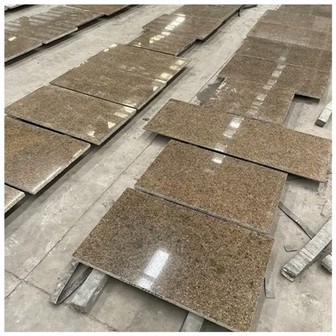
A quartz stone top may give repeated rooms controlled color and movement. The batch and finish still need an accepted reference. Natural stone needs a documented range rather than a promise of identical veining. Sintered construction follows the selected fabrication system.
At the sink, I check reveal, polish, clips, seal line, and underside clearance. The top edge should feel consistent across the unit. This is where you don't cheap out on a physical section, because "eased" can mean different things to different production teams.
Create Room Variants Without Creating Competing Golden Samples
One parent sample can govern shared finish, hardware, gap language, and quality level. Controlled variant sheets then record different widths, handing, sinks, exposed ends, accessible conditions, or wall returns. I avoid building an uncontrolled "sample" for every room name.
The Hotel Bathroom Vanities by Room Type: King, Twin, Suite and Accessible Layouts article establishes the physical grouping logic. The golden sample record tells each group which features remain common and which are variant-specific.
When a variant changes the guest experience or manufacturing method, I build the relevant section or full module. A 200-millimeter width change may alter drawer proportions and top support. An accessible unit may need a separate working benchmark under the project's governing requirements.
Use a Deviation Table During Production Inspection
| Sample feature | Comparison method | Record condition | Action |
|---|---|---|---|
| Color and sheen | Side-by-side under named light | Angle and lamp condition | Accept, segregate, or investigate |
| Door and drawer gaps | Measure named points | Loaded and adjusted unit | Adjust or correct setup |
| Top and sink | Template, edge, reveal, overhang | Installed representative unit | Hold affected batch |
| Hardware operation | Loaded open-close test | Specified hardware code | Adjust, replace, or verify |
Repeated vanity units need deviations recorded by feature and batch, not by vague statements such as "looks different." Photographs show context, while measurements and sample references explain the decision.
Bathroom Vanity Manufacturers for Hotel Projects: Mock-Ups, Production Records and Room Rollout shows where the benchmark sits in the larger manufacturing evidence system.
I return to Complete Guide to Bathroom Vanity Top and Cabinet Packages for Hotels and Residences when a proposed change affects more than appearance. Here's what I'd do: update the drawing, sample, inspection instruction, and replacement code together.
Protect the Benchmark from Handling, Light and Silent Revision
I keep the approved unit in a dry, protected area with its identification visible. Nobody borrows its handle, swaps a hinge, uses its top as a workbench, or touches up the finish without a recorded change. A benchmark that slowly becomes a repair sample cannot judge production.

Lighting matters too. We compare reflective finishes under the named project condition and a neutral inspection light. A warm lamp can hide a green cast; a cool lamp can exaggerate it. Don't ask me how I know. I once watched three people agree on color and disagree five minutes later after the sample moved beside a window.
Control photographs without asking them to replace touch
I photograph the whole unit, close details, labels, gap measurements, edge profile, hardware codes, and the light condition used for appearance review. The camera white balance stays consistent across comparison sets. Those images preserve history, while the physical piece remains the final reference for sheen, texture, movement, and edge feel.
This is where you don't cheap out. When the approved sample cannot remain at the factory, we agree on a controlled reference set with matched components and signed records at both locations. Here's what I'd do: require both sides to compare the same named feature, from the same angle, under the same light before accepting a disputed batch.
The Hard-Won Lesson: The Approved Color Survived, but the Sheen Did Not
The first 36 fronts for a suite floor matched the approved brown under 3000K room light. At a shallow angle, they reflected a sharper band than the golden door. A coating adjustment had changed sheen without changing the color code. We held the batch, reset the process against the physical sample, and remade the affected fronts before hardware drilling. Straight-on phone photographs had shown almost no difference.
The Lesson: Compare color, sheen, texture, and angle together; a matching code is not a matching finished face.
Understanding Golden Samples in Today's Hotel Production
Why can photographs not replace the physical benchmark?
Screens alter white balance, brightness, scale, and texture. Photographs remain important records, but hotel bathroom vanities need a physical reference for touch, sheen, gaps, movement, edge feel, and component fit.
When can the golden sample change?
Only through controlled approval. Record the reason, affected variants and batches, new drawing revision, physical change, inspection instruction, and replacement implications. Do not quietly improve production while leaving the old benchmark in circulation.
What if a production unit differs at site?
First, photograph the full unit, room code, and difference under a named lighting condition. Second, stop installation or alteration of the affected batch until review. Third, contact the supplier with the golden-sample record, approved photographs, drawings, and inspection evidence.
This is where you don't cheap out on storage and protection for the sample. Thank goodness for one undamaged benchmark when two batches arrive weeks apart.
Frequently Asked Questions
1. What is a golden sample for hotel bathroom vanities?
It is the signed physical benchmark for defined features such as cabinet finish, sheen, texture, gaps, hardware, drawer operation, top edge, sink fit, and package relationships. Its label identifies project, room variant, revision, and approval.
2. Can a small color chip serve as the only sample?
No. A chip may approve a color family, but it cannot show full-face grain, sheen, edge treatment, hardware, gaps, drawer movement, top relationship, or how the finish reads under the intended room lighting.
3. How should natural stone variation be handled?
Approve a documented visual range using representative slabs or pieces rather than expecting every top to match one small sample. Keep fixed fabrication details separate from acceptable natural color and veining variation.
4. When should production be compared with the sample?
Compare first pieces, first units after relevant setup or material changes, and defined samples across each batch. Add targeted checks when inspection finds drift or a room variant uses a different construction.
5. What should I do if a site unit differs from the golden sample?
Photograph the full unit, room code, and difference under a named light, stop installation or alteration of the affected batch, and contact the supplier with the golden-sample record, drawings, approved photographs, and inspection evidence.
Quick-Reference Checklist for Golden Sample Control
- Label the sample with project, variant, revision, finish, and approval date.
- Compare finishes under both named room light and neutral inspection light.
- Record touch, sheen, edge, gaps, hardware, and loaded drawer operation.
- Define acceptable natural material variation separately from manufacturing error.
- Protect the sample from sunlight, moisture, damage, and unauthorized alteration.
- Update drawings and inspection instructions whenever the benchmark changes.
Final Conclusion
I trust photographs for history and a physical sample for judgment. The two belong together. Don't ask me how I know; color arguments become much shorter when everybody can place the production door beside the approved one.
Hotel bathroom vanities need a golden sample that controls what must repeat and documents what may vary. Here's what I'd do at KA UNITED: protect the benchmark like a project drawing, because the fiftieth room deserves the same honest comparison as the first.

References
- U.S. Hotel Development Trends and Projections, Spring 2026, Lodging Econometrics.
- 2026 Bath Trends Report, National Kitchen and Bath Association.
- Bathroom Planning Guidelines, National Kitchen and Bath Association.
- Architectural Woodwork Standards, Architectural Woodwork Institute.
- Dimension Stone Design Manual, Natural Stone Institute.
- ASTM C1528 Standard Guide for Selection of Dimension Stone, ASTM International.
- Plumbing Engineering Design Handbook, American Society of Plumbing Engineers.
- Raising the Bar in Hospitality Bathroom Design, Hospitality Interiors.