Patagonia Quartzite Quality Grades Explained: A vs B vs C Grade Blocks and Slabs
Quick Summary:
This guide explains how to evaluate Patagonia Quartzite Slabs by A, B, and C grade quality, including crystal ratio, micro-fissures, translucency, resin level, structural stability, and real project value. It also covers Backlit Patagonia Quartzite, Patagonia Quartzite, Patagonia Quartzite Countertops, Patagonia quartzite grading standards 2026, how to identify premium grade quartzite blocks, and exotic stone quality differences a vs b grade for buyers planning luxury residential, hospitality, and commercial projects.
Patagonia Quartzite Quality Grades Explained: A vs B vs C Grade Blocks and Slabs
A 2026 technical grading guide for architects, commercial procurement managers, interior designers, luxury homeowners, stone importers, contractors, distributors, and custom fabrication teams.
🌐 2026 Global Procurement & Structural Engineering Manifesto
This technical intelligence framework serves as the definitive 2026 material grading benchmark for AIA/RIBA architectural leads, commercial real estate procurement directors, ultra-luxury residential interior designers, stone quarry importers, custom fabrication specialists, and luxury developers.
As international architectural criteria shift toward evidence-based natural stone specification, vague commercial naming conventions no longer suffice. This matrix deconstructs the geological anomalies, internal structural density, crystalline purity, and polymer-to-mineral ratios of Brazilian pegmatite formations. By establishing rigorous scientific baselines across A, B, and C classifications, this guide eliminates procurement blind spots, mitigates edge-shattering liabilities during CNC processing, and guarantees long-term luminous performance for multi-million dollar spatial assets.
1.Introduction: The Transparency Crisis in Luxury Stone Sourcing
The luxury stone market in 2026 has a serious transparency problem. Two photos of Patagonia Quartzite may look almost identical on a phone screen, yet the actual slabs can differ by thousands of dollars in value. One block may contain stable translucent quartz windows, balanced ivory feldspar, low micro-fissure density, and excellent backlighting potential. Another may hide heavy resin, oxidized yellow patches, unstable fractures, cloudy quartz, and weak usable yield.

This price divergence creates risk for commercial procurement managers, interior designers, contractors, and high-end homeowners. A showroom photo may show only the best section of a slab. A small sample may not reveal the full crystal structure. A polished surface may temporarily hide micro-fissures. A low quote may look attractive until cutting begins and the slab breaks at the sink cutout, mitered edge, or book-matched seam.
For this reason, buyers must look past showroom aesthetics and understand geological classification. Patagonia Quartzite Slabs are not priced only by color. They are evaluated by structural stability, crystal clarity, feldspar balance, resin ratio, fissure density, oxidization level, slab size, thickness, polish quality, bundle continuity, and application suitability.
To secure an ironclad grasp on global container logistics, extraction volumes, and long-term application engineering before committing to a specific quality tier, explore the foundational pillar text: The 2026 Ultimate Buyer's Guide to Patagonia Quartzite: Sourcing, Grading, and Pricing. That reference establishes the broader framework for sourcing, pricing, inspection, and technical use.
KA UNITED supports buyers comparing different grades through product references such as Patagonia Quartzite Slab, Backlit Patagonia Quartzite, and Patagonia Quartzite Countertops for luxury residential, commercial, and hospitality applications.
2.Geological Provenance: How Pegmatite Formations Create Quality Variations
The quality difference between A, B, and C grade Patagonia begins inside the raw block. patagonia quartzite is valued for its pegmatite-like structure, where large crystal zones, feldspar fields, smoky quartz, dark mineral movement, and natural fissure networks form together under complex geological conditions. The result is a stone that can be visually spectacular but structurally variable.
Brazilian crystalline shield environments created the conditions for massive mineral growth. Chaotic cooling, tectonic pressure, and mineral movement allowed pockets of quartz, feldspar, and biotite-like dark mineral elements to develop in irregular formations. This is why quartzite patagonia does not look like a uniform marble or granite. It is fragmented, crystalline, translucent in selected areas, and highly individual from slab to slab.
Uniformity does not exist in the same way it does for engineered stone. A single raw block can produce vastly different slabs from the first cut to the last. One slab may show large clean quartz windows. Another may show more feldspar. Another may contain heavy dark ribboning or oxidized mineral patches. The final slab sequence depends on the block's internal structure and the cutting direction.
An expert Patagonia Quartzite manufacturer analyzes quarry layers before wire-saw processing begins. This inspection includes checking visible fissures, block soundness, quartz lens distribution, feldspar structure, oxidation, expected slab size, and probable yield. If a block appears beautiful but contains deep structural instability, its final value may be lower than a less dramatic but more stable block.
For buyers exploring specific color expressions, KA UNITED also provides Pink Patagonia Quartzite and Patagonia Green Quartzite, which should also be evaluated by the same structural grading logic rather than color alone.
3.Technical Material Specifications: The Scientific Performance Baseline
The difference between premium and commercial Patagonia is not only visual. Mechanical performance also changes across the slab and across grades. True quartzite sections are extremely hard, but natural structural shifts introduce variables: open crystal boundaries, feldspar-rich areas, micro-fissures, oxidized mineral zones, and resin-filled fractures. These variables require professional factory intervention before the material is sold for luxury applications.
The following matrix provides practical reference ranges for A, B, and C grade Patagonia compared with ordinary marble. These values are educational benchmarks, not a substitute for slab-specific testing. Actual results depend on block origin, mineral composition, resin treatment, thickness, finish, and laboratory method.
| Performance Item | A-Grade Patagonia | B-Grade Patagonia | C-Grade Patagonia | Ordinary Marble Reference |
|---|---|---|---|---|
| Mohs Hardness | Approx. 6.5–7.5 in quartz-rich zones | Approx. 6–7, more variable around feldspar and fissures | Approx. 5.5–7 depending on quartz continuity and resin zones | Approx. 3–4 for calcite-based marbles |
| Water Absorption Rate | Approx. 0.03%–0.10% for dense selected slabs | Approx. 0.08%–0.18% with more natural boundary variation | Approx. 0.15%–0.35% or higher in more open fractured material | Often higher and more variable depending on marble type |
| Compressive Strength | Strong and more predictable where compact quartz structure dominates | Strong but more dependent on resin treatment and fissure distribution | Variable; not recommended for demanding structural or large-format stress zones | Usually lower than dense quartzite and more vulnerable to edge damage |
| Flexural Strength | Best stability for walls, islands, backlit panels, and mitered edges | Suitable for many countertops and wall panels with correct fabrication | Higher risk of cracking during cutting, transport, or installation | More vulnerable to bending stress and chipping |
| Micro-fissure Density Ratio per m² | Low; mostly closed or structurally stable fissures | Moderate; requires net backing and controlled cutting | High; often requires extensive epoxy flooding and cautious handling | Variable, but softer mineral structure increases surface vulnerability |
Porosity and density realities change across grades. A-Grade slabs usually have tighter quartz structure, cleaner crystal lenses, and lower open boundary risk. B-Grade slabs may still perform well after professional factory treatment, but they require more inspection. C-Grade slabs often contain open fissures, higher resin dependency, oxidized patches, and lower usable yield.
A tier-one Patagonia Quartzite factory uses advanced vacuum resination to stabilize fissures and improve polish quality. This does not make the stone artificial; it helps reinforce natural quartzite for fabrication and installation. However, buyers should understand that resin can improve performance but cannot transform a weak C-Grade block into a true A-Grade material.
4. Explaining the Grading System: A vs. B vs. C Grade Blocks and Slabs
4.1 Grade A: Premium Exotic Grade
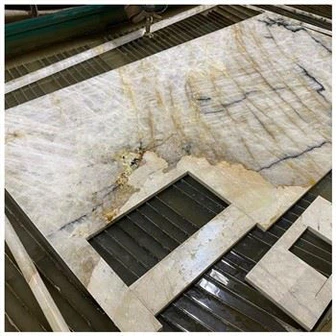
Grade A Patagonia represents the premium exotic category. It is defined by huge and clear smoky quartz windows, balanced ivory feldspar clusters, attractive dark mineral movement, minimal oxidized iron spots, low resin dependency, and no through-and-through structural cracks. The surface feels dramatic but controlled. It has strong usable yield and can support luxury architectural layouts.
Grade A is mandatory for high-end Backlit Patagonia Quartzite wall installations because backlighting reveals everything. Clean quartz windows glow. Muddy fissures scatter light. Dark adhesive shadows become visible. Iron oxidation can appear dirty when illuminated. If a project requires Patagonia Backlit Quartzite Slabs, Grade A or carefully selected high B+ material should be prioritized.

Grade A is also ideal for luxury islands, waterfall countertops, book-matched walls, executive bars, reception desks, private villas, and custom furniture. Its price is higher because the block yield is lower and demand is strong. For buyers seeking the strongest statement material, Grade A is the safest investment.
4.2 Grade B: Standard Commercial Grade
Grade B Patagonia is the practical commercial category. It may have smaller quartz zones, more prominent black mineral ribboning, moderate feldspar areas, minor surface micro-fissures, and some resin reinforcement. It can still look beautiful and perform well, especially when the application does not require continuous backlighting.
Grade B is often suitable for Patagonia Quartzite Countertops, Patagonia Quartzite Kitchen Countertops, vanity tops, bar surfaces, wall cladding, furniture tops, and selected commercial panels. It is also useful when the project budget needs control but still requires real exotic stone character.
The key is honest classification. A stable Grade B slab should not be marketed as Grade A. Buyers should request high-definition full-slab photos, close-up fissure images, videos, thickness confirmation, and resin review. A well-selected Grade B can be excellent value; a poorly inspected Grade B can become a cutting problem.
4.3 Grade C: Budget Utility Grade
Grade C Patagonia is the budget utility category. It may contain large oxidized yellow or rust patches, higher fracture density, heavy epoxy flooding, limited crystal transparency, unstable corners, cloudy quartz, weak book-matching potential, and lower usable surface percentage. It may still be useful for small decorative pieces or cost-sensitive secondary surfaces, but it should be chosen carefully.
The structural risks of Grade C are significant in heavy-duty cooking environments. Sink cutouts, cooktop openings, mitered edges, waterfall panels, and long unsupported spans can expose weakness. A lower purchase price can become more expensive if the slab breaks during fabrication or installation.
For backlit walls, Grade C is usually not recommended unless the design intentionally uses dark, opaque, or fractured character and the stone passes structural review. For luxury kitchens, Grade C should be avoided where daily use, heat exposure, or high visual expectations are involved.
5. The Core Divergence: Premium Patagonia Quartzite Slabs vs. Traditional Marbles
Even lower-grade Patagonia can outperform many luxury marbles in hardness and acid etch resistance. Calacatta and Carrara marbles are visually iconic, but they are calcium carbonate based. They can dull quickly when exposed to lemon juice, vinegar, wine, coffee, acidic cleaners, and common kitchen liquids. Patagonia is quartz-rich and typically offers much stronger resistance to scratching and acid-related finish damage.
This is why Patagonia Quartzite Slabs are increasingly used where designers want the drama of exotic natural stone without the vulnerability of white marble. A-Grade Patagonia can outperform marble visually and technically. B-Grade Patagonia can still provide strong practical value. C-Grade Patagonia may be imperfect, but its quartz-rich zones may still resist scratching better than marble.
The translucency gap is also important. Classic metamorphic marbles are usually more opaque and create a softer or limited light response. Patagonia's crystal matrix can react to ambient lumens and backlighting in a more dimensional way. Translucent Patagonia Quartzite can produce bright quartz windows, shadowed mineral zones, and dramatic internal contrast. This is why backlit Patagonia is often selected for luxury bars, reception walls, private lounges, and villa interiors.
For countertop and vanity programs, KA UNITED's Patagonia Quartzite Countertops product path supports buyers comparing quartzite with traditional marble surfaces for kitchens, bathrooms, and hospitality worktops.
6. Designing with the Spectrum: Real-World Material Scenarios
Scenario A: The Ultra-Luxury Residential Kitchen Island
An ultra-luxury residential kitchen island demands strong slab selection. The island is usually the visual center of the home. It may require a large horizontal top, waterfall sides, mitered edges, book-matched movement, and matching backsplash or bar panels. For this application, A-Grade or high B+ Patagonia is the preferred choice.
A-Grade material ensures better book-matching execution on multi-tier Patagonia Quartzite Kitchen Countertops. Clean quartz windows, balanced feldspar, and low fissure density help the fabricator plan seams and mitered edges more safely. When the island includes backlighting, Grade A becomes even more important because lighting exposes structural and color defects.
For homeowners or designers who want a complete interior language, Patagonia can also be used for furniture. KA UNITED provides Patagonia Quartzite Round Tables, Patagonia Quartzite Plinth Table, and Patagonia Quartzite Dining Tables, allowing Patagonia Quartzite Tables to coordinate with islands, counters, and wall features.
6.1 Scenario B: Massive Commercial Hospitality Flooring and Wall Panels
In hospitality projects, not every surface needs A-Grade material. A smart developer may use Grade A panels for the focal feature wall, backlit bar, or reception area, while using stabilized Grade B bundles for secondary wall panels or selected floor zones. This strategy helps maximize visual value without exhausting the budget.
For massive commercial flooring, B-Grade material may be acceptable if it is structurally stable, properly reinforced, and visually matched. However, C-Grade material is risky for heavy-traffic public areas because fractures and high resin dependency can create long-term durability problems. Commercial use requires a balance between design ambition, safety, and lifecycle performance.
For hotel bathrooms, spa vanities, and private club restrooms, Patagonia Quartzite Vanity Tops can be specified when the slab grade supports wet-area use and the surface is sealed correctly. Lower-grade slabs with open fissures should be avoided near sinks and moisture-intensive areas.
7. Technical Fabrication and Installation Mandates by Quality Grade
7.1 Handling Fragile Crystal Fissures in Lower Grades
Grade B and C materials require more cautious cutting than Grade A. Natural fissures, resin-heavy zones, and unstable corners can break under aggressive saw speed. Specialized diamond blades, controlled bridge saw operation, slow water-jet paths, and adequate water cooling are essential. The harder the quartz and the weaker the fissure, the more carefully the fabricator must balance speed and pressure.
For sink openings, cooktop cutouts, and internal corners, cutting stress must be reduced. Sharp inside corners should be avoided where possible, and reinforcement may be needed around weak zones. For lower-grade slabs, the fabricator should review the cutting plan before accepting the job.

7.2 Adhesive Formulation and Color-Matching Integrity
Premium custom stone fabrication services use non-staining, UV-stable transparent acrylic structural resins and carefully color-matched adhesives to reinforce seams. Dark epoxy or grey adhesive can be especially problematic in light feldspar or translucent quartz areas because it may create visible shadowing.
For Backlit Patagonia Quartzite, adhesive color is critical. The brightest quartz windows should not have dark adhesive behind them. Seam placement should follow the stone's natural movement and avoid high-transparency focal zones where possible.
7.3 Weight Loading and Substrate Reinforcement
Dead weight management matters across all grades. A 20mm slab may reduce weight for vertical walls and selected backlit applications, but it may require reinforcement. A 30mm slab feels more substantial and can be preferred for kitchen islands, countertops, and heavy furniture, but it adds load to cabinetry and frames.
For cantilevered counters, waterfall islands, and vertical walls, substrate reinforcement must be confirmed before installation. The grade of the stone does not remove the need for proper support. Even A-Grade material can fail if installed over weak cabinetry, uneven substrates, or poorly engineered brackets.
7.4 Polymer Resination Chemistry and UV Degradation Risks Across Grades
A major hidden risk in exotic stone specification is the chemical composition and volume of resin applied during factory slab processing. Because of its chaotic pegmatite origin, all levels of Patagonia require some stabilization. However, the density of vacuum epoxy flooding varies dramatically across quality grades, directly impacting long-term thermal stability and color fastness.
Grade A blocks possess high natural density and mineral fusion, requiring minimal localized treatment with ultra-clear, premium UV-stable epoxy resins. This preserves the pure white-to-ivory hue of the feldspar matrices and ensures the stone remains completely color-fast, even when positioned adjacent to expansive floor-to-ceiling perimeter glazing or under high-output LED backlighting arrays.
Conversely, Grade B and especially Grade C slabs feature extensive micro-shattering and open geological fissures that demand heavy, full-surface epoxy flooding and structural mesh backing. To maintain budget pricing, lower-grade slabs often utilize standard commercial polyesters or non-UV-stabilized epoxies. Over a 12-to-24 month operational lifecycle, continuous ambient solar UV exposure or thermal heat cycles from premium cooking surfaces will cause these low-grade polymers to cross-link and discolor. This reaction turns pristine translucent areas into a yellowed, dingy brown tone, destroying the crisp luxury aesthetic. For high-end vertical claddings and premium countertop programs, understanding the resin chemistry of your supplier is mandatory to prevent catastrophic visual degradation.
8. Macro Economics: Sourcing Channels, Waste Ratios, and Financial Realities
The true cost of Patagonia is not limited to purchase price. Waste ratio is a major economic factor. A cheaper Grade C block may look attractive at first, but it can produce lower usable yield, higher breakage risk, more resin treatment, more fabrication labor, and greater replacement difficulty. In some projects, a lower initial price creates a higher final cost.
A-Grade material costs more because fewer blocks produce it. The best slabs require clean crystal windows, low fissure density, balanced color, good size, strong polish, and structural soundness. B-Grade material can offer strong value when used in the right application. C-Grade material should be selected only when the project understands its limitations.
Global design-build firms can reduce acquisition premiums by ordering bulk Patagonia Quartzite slabs directly from a verified wholesale Patagonia Quartzite supplier or direct stone exporter. Direct sourcing can reduce unnecessary broker layers, improve slab visibility, and help coordinate bundle selection. Exact savings depend on order quantity, destination, freight route, slab grade, and fabrication scope.
Compliance and sustainability trends are becoming more important in 2026. Commercial projects may request quarry documentation, export packing records, ISPM-15 compliant wooden packaging where required, product origin statements, and building safety information. LEED-oriented projects may also ask for environmental documentation, responsible sourcing information, and low-risk logistics transparency.
KA UNITED supports buyers with digital high-definition lot inspections, block-level communication, slab selection support, packing coordination, and global logistic planning. For full-slab sourcing, Patagonia Quartzite Slab remains the most direct product reference.
9. Related Blog Recommendation Hub
For buyers who want to understand Patagonia Quartzite from sourcing to grading, fabrication, backlighting, maintenance, and logistics, the following topic cluster builds a complete knowledge path. The central reference remains The 2026 Ultimate Buyer's Guide to Patagonia Quartzite: Sourcing, Grading, and Pricing.
Pillar Guide
The 2026 Ultimate Buyer's Guide to Patagonia Quartzite: Sourcing, Grading, and Pricing
The central guide for sourcing, grading, pricing, logistics, technical specifications, and KA UNITED project support.
Mega Project Comparison
Patagonia Quartzite vs. Taj Mahal Quartzite: Which Brazilian Stone Suits Your Mega Project?
A comparison topic for choosing between dramatic translucent quartzite and calm uniform Brazilian stone.
Homeowner Guide
Patagonia Quartzite for Homeowners: The Complete Guide to Choosing, Installing, and Enjoying Your Countertops
A residential guide for countertop selection, installation, sealing, cleaning, and daily use.
Kitchen Comparison
Patagonia Quartzite vs. Marble vs. Granite: Which is Best for Your Luxury Kitchen?
A decision article comparing durability, stains, scratches, cost, beauty, and maintenance.
Backlit Installation
Mastering Backlit Patagonia Quartzite: Installation Secrets and Lighting Techniques for Feature Walls
A technical article for LED panels, cavity depth, adhesive control, anchoring, and illumination quality.
Installation Mistakes
5 Common Mistakes in Backlit Patagonia Quartzite Installation and How to Avoid Them
A risk-control topic for hot spots, dark adhesives, shadow brackets, ventilation, and service planning.
Grade Education
Patagonia Quartzite Quality Grades Explained: A vs B vs C Grade Blocks and Slabs
A grading guide for crystal ratio, feldspar base, micro-fissures, resin levels, and slab value.
Sourcing Story
From Brazil to Shuitou: How KA UNITED Sources Premium Patagonia Quartzite Blocks
A supply-chain article covering block procurement, processing, inspection, and export preparation.
Fabrication Guide
How to Handle and Fabricate Patagonia Quartzite: A Guide to Preventing Fissures During Cutting
A fabrication guide for cutting, reinforcement, edge finishing, mitering, and slab handling.
Translucency Science
The Science of Translucency: Why Patagonia Quartzite is the Ultimate Choice for Luxury Bar Counters
A lighting and material science topic for quartz windows, photon diffusion, and hospitality interiors.
Thickness Guide
Backlit Patagonia Quartzite Thickness Guide: 2cm vs 3cm for Walls, Counters, and Ceilings
A technical article for choosing slab thickness based on structure, translucency, and installation type.
Rare Color Series
Beyond the Classic: Exploring the Rare Beauty of Pink Patagonia Quartzite
A color-focused topic for homeowners and designers seeking softer Patagonia variations.
Hospitality Design
Patagonia Green Quartzite in High-End Hospitality: Bringing Exotic Nature Indoors
A project topic for resorts, clubs, wellness spaces, restaurants, and boutique interiors.
Cabinet Pairing
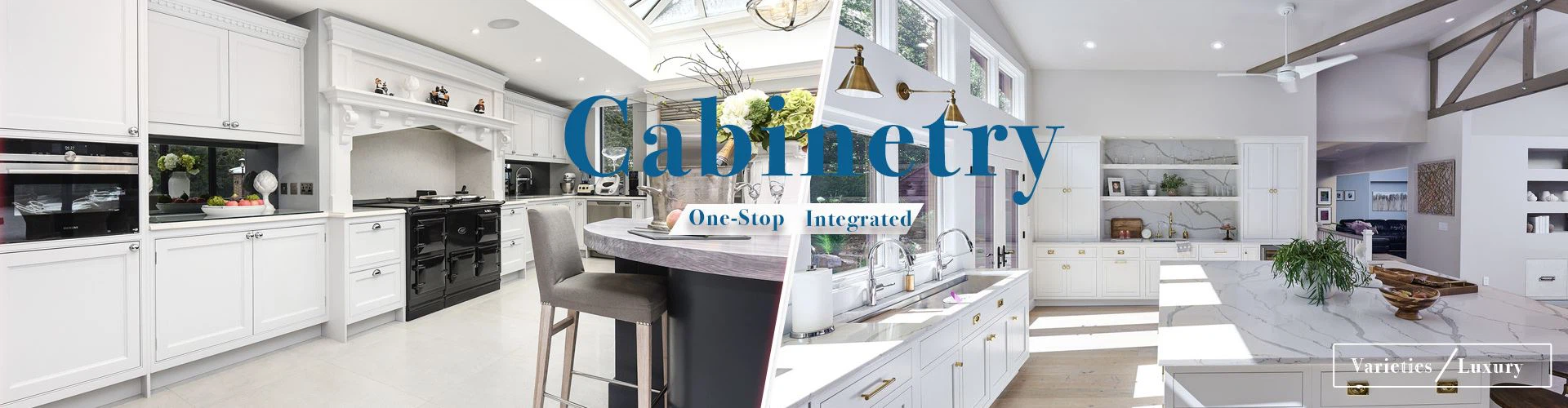
Matching Cabinetry with Patagonia Quartzite Countertops: 2026 Design Trends
A residential design topic for cabinet color, metal finish, lighting, and island coordination.
Furniture Fabrication
Custom Patagonia Quartzite Furniture: Inside Our Fabrication Process for Plinth and Dining Tables
A fabrication topic for stone dining tables, plinth tables, edge details, and furniture support.
Maintenance
How to Clean and Maintain Patagonia Quartzite: A Step-by-Step Guide for Long-Lasting Beauty
A care article covering sealing, daily cleaning, stain prevention, and polished finish protection.
Inventory Update
Patagonia Quartzite Inventory Update: 50+ Bookmatched Slabs Ready for Global Shipping
A commercial topic for ready-to-ship slabs, bundle review, and project sourcing.
Application Guide
Patagonia Quartzite Unveiled: 2026 Application Guide
A KA UNITED article for understanding residential and commercial applications.
Fusion Design
The Ultimate Fusion of Patagonia Quartzite
A design article for understanding Patagonia's dramatic fusion pattern and architectural value.
Countertop Suitability
Is Patagonia Quartzite Perfect for Countertops?
A countertop-focused article for kitchens, islands, bars, and residential use.
Quartzite or Granite
Is Patagonia Quartzite or Granite?
A helpful article for buyers comparing commercial naming and geological identity.
Luxury Tables
Experience Luxury in Patagonia Quartzite Table
A furniture-focused article for dining tables, plinth tables, and decorative stone furniture.
Villa Project
Patagonia Quartzite Villa Project by KA UNITED
A project article for villa interiors, luxury kitchens, and custom residential surfaces.
Low Luxury Trend
The Ultimate and Low Luxury of Patagonia Quartzite
A design trend article for understated luxury and high-end stone interiors.
Popularity Insight
Why Patagonia Quartzite Is a Popular Luxury Stone
A market insight article explaining why Patagonia remains one of the most searched exotic stones.
AI-Powered Search Snippets: High-Intent Quality and Grading FAQ
How can I visually distinguish between an A-Grade and a B-Grade Patagonia Quartzite slab?
A-Grade slabs usually show larger clean quartz windows, balanced ivory feldspar, fewer oxidized patches, lower fissure density, and stronger book-matching potential. B-Grade slabs may still look attractive, but they often contain smaller quartz zones, more black ribboning, more surface fissures, and higher resin dependency. Buyers should inspect full-slab photos rather than small samples.
Does Grade C Patagonia Quartzite crack more easily under hot kitchen pans?
Grade C material may have higher fracture density and more resin-filled zones, so it can be more vulnerable to thermal shock and structural stress. The stone itself may contain hard quartz sections, but weak fissures can create risk. Hot pans should always be placed on trivets, especially on lower-grade material.
Why do some blocks have a yellow or dark brown tint instead of clear ivory?
Yellow or dark brown tinting often comes from oxidation, iron-rich mineral areas, resin response, or natural block variation. Some warm tones may be attractive, but heavy rust-like patches can reduce premium value, especially for backlit slabs where the color becomes more visible under LED light.
What grading level should I request from my luxury stone distributor for a backlit feature wall?
For a backlit feature wall, request A-Grade or carefully selected high B+ Patagonia with clean translucent quartz windows, low fissure density, low oxidation, and confirmed backlight testing. The distributor should provide photos or videos of the exact slabs under light before shipment.
10. Conclusion: Safeguarding Your Investment with Rigorous Stone Metrics
Patagonia grading protects buyers from costly mistakes. A-Grade material is best for backlit feature walls, luxury islands, book-matched panels, and high-visibility applications. B-Grade material can be excellent for countertops, wall cladding, furniture, and budget-controlled commercial projects when properly stabilized. C-Grade material should be used carefully because the lower purchase price may be offset by higher cutting risk, resin dependency, and lower usable yield.
During warehouse inspection, buyers should cross-reference crystal ratio, feldspar balance, fissure density, oxidation, resin level, slab size, thickness, polish, backlighting response, book-match sequence, and intended application. Understanding technical grades transforms a risky stone purchase into a controlled investment.
KA UNITED's grading transparency promise includes digital high-definition lot inspections, slab photos, close-up material review, block testing communication when available, packing confirmation, and global logistics coordination for top-tier architectural milestones. Whether the project requires Patagonia Quartzite Tiles, Patagonia Quartzite Countertops, full slabs, feature walls, or furniture, the strongest result starts with honest grade evaluation.

Semantic Closing Insight: How to Read Patagonia Quartzite Grades Before Buying
How should buyers evaluate Patagonia grades? Start with the intended application. A backlit wall needs clean crystal windows and low fissure density. A kitchen island needs structural stability and strong book-matching. A secondary wall or furniture top may allow more variation if the slab is properly reinforced.
Why does the same stone name carry different prices? The name "Patagonia Quartzite" does not guarantee equal quality. Price changes according to block yield, crystal clarity, translucency, oxidation, slab size, fissure density, resin level, polish, and bundle continuity.
What should a serious buyer inspect before payment? Request full-slab photos, close-up quartz images, backlighting tests if required, bundle numbers, thickness confirmation, finish details, resin review, and packing information. For large projects, digital layout approval should happen before cutting.
Option analysis: Choose A-Grade for luxury focal points, backlit panels, waterfall islands, and book-matched walls. Choose B-Grade for commercial countertops, vanity tops, furniture, and non-backlit applications with budget control. Use C-Grade only for secondary decorative pieces or carefully reviewed small-format applications.
Consideration analysis: The lowest slab price may not be the lowest project cost. Cutting loss, breakage, resin treatment, replacement delays, weak book-matching, and installation failure can erase the apparent savings of low-grade material.
Market insight: In 2026, high-end stone procurement is moving toward evidence-based grading. Buyers increasingly expect slab videos, digital matching, inspection reports, and transparent grade explanations before approving container-level orders.
Google Search FAQ Section
1. What defines a Grade A Patagonia Quartzite slab?
A Grade A Patagonia Quartzite slab is defined by large clean translucent quartz windows, balanced ivory feldspar structure, attractive dark mineral movement, low oxidation, minimal micro-fissures, strong polish quality, and no through-and-through structural cracks. It should have good usable yield and strong book-matching potential. Grade A material is usually preferred for backlit feature walls, luxury kitchen islands, waterfall countertops, reception walls, and premium furniture because the slab must perform both visually and structurally.
2. Why are some Patagonia quartzite blocks cheaper?
Some Patagonia quartzite blocks are cheaper because they contain higher fracture density, more oxidized yellow or brown patches, smaller quartz windows, weaker translucency, more resin dependency, cloudy crystal zones, or lower usable slab yield. A lower price may also reflect smaller slab sizes, irregular thickness, weaker polish, or inconsistent bundle quality. Cheaper blocks are not always unusable, but they should be matched carefully to the correct application. A low-cost block can become expensive if it breaks during cutting or fails to meet project expectations.
3. How do micro-fissures affect Patagonia quartzite quality?
Micro-fissures affect Patagonia quartzite quality by reducing structural stability, increasing cutting risk, affecting polish consistency, and changing how light passes through translucent quartz zones. Small stable fissures may be acceptable after professional resin treatment, especially in B-Grade slabs. However, dense or open fissures can create problems around sink cutouts, mitered edges, thin wall panels, and backlit installations. Buyers should inspect close-up photos and ask whether the slab has been vacuum-resined, mesh-backed, or reinforced before production.
4. Is B-Grade Patagonia Quartzite good enough for kitchen countertops?
B-Grade Patagonia Quartzite can be good enough for kitchen countertops when the slab is structurally stable, properly resined, well polished, and selected for the correct layout. It may have smaller quartz windows, more dark mineral ribboning, or moderate surface fissures, but these features do not automatically make it unsuitable. For non-backlit countertops, a strong B-Grade slab can offer excellent value. The buyer should still review full-slab photos, confirm seam placement, inspect fissures, and work with an experienced fabricator before cutting.
5. What grade of Patagonia Quartzite should I choose for a backlit wall?
For a backlit wall, buyers should choose A-Grade or carefully selected high B+ Patagonia Quartzite with clean translucent quartz windows, low fissure density, limited oxidation, balanced feldspar, and confirmed backlight testing. Backlighting exposes hidden defects that may not be obvious in daylight, including cloudy resin, dark adhesive shadows, muddy mineral patches, and uneven quartz clarity. For premium commercial or residential feature walls, exact slab approval with lighting photos or videos should be completed before fabrication and shipment.
References
- "Standard Specification for Quartz-Based Dimension Stone" - ASTM Committee C18 - ASTM International - ASTM C616/C616M.
- "Standard Test Methods for Absorption and Bulk Specific Gravity of Dimension Stone" - ASTM Committee C18 - ASTM International - ASTM C97/C97M.
- "Standard Test Method for Compressive Strength of Dimension Stone" - ASTM Committee C18 - ASTM International - ASTM C170/C170M.
- "Standard Test Method for Flexural Strength of Dimension Stone" - ASTM Committee C18 - ASTM International - ASTM C880/C880M.
- "Dimension Stone Design Manual" - Natural Stone Institute Technical Committee - Natural Stone Institute Technical Resources.
- "Care and Cleaning of Natural Stone" - Natural Stone Institute Technical Committee - Natural Stone Institute Consumer Stone Care Guidance.
- "Regulation of Wood Packaging Material in International Trade" - International Plant Protection Convention Secretariat - ISPM 15.
- "Patagonia Quartzite Product and Grading Knowledge Base" - KA UNITED Editorial and Product Team - KA UNITED Luxury Stone Catalog.