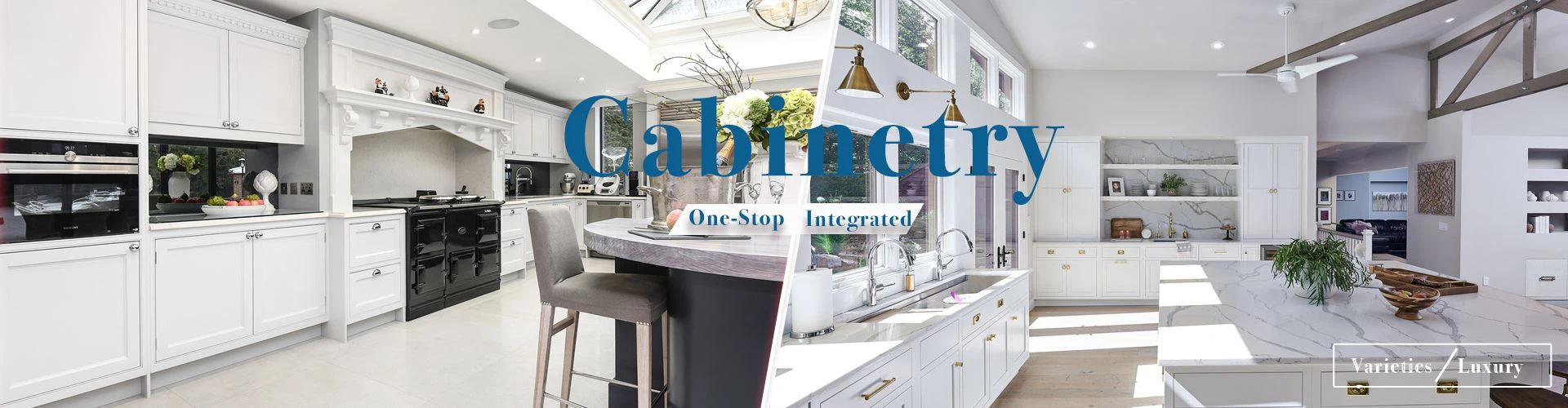
Which Cabinet Door Panel Is The Best
Which Cabinet Door Panel Is the Best? My Honest, Hands-On Comparison
I have spent years walking through cabinet factories, opening and closing thousands of doors, and answering the same question from homeowners, designers, and builders: "Which cabinet door panel is actually the best?" My honest answer is that there is no single winner for everyone. The best panel is the one that matches how you cook, how you clean, how long you plan to stay in the home, and how much you want to spend.
What I can do is lay out the eight materials I see most often, tell you exactly how each one behaves in a real kitchen, and help you narrow the choice down to two or three that fit your situation. By the end, you should be able to walk into any cabinet showroom, or talk to a supplier, without feeling lost.
Why the Door Panel Matters More Than You Think
The door panel is the part of the cabinet you touch, see, and clean every single day. The box behind it can be perfectly square and solid, but if the door face warps, chips, fades, or soaks up grease, the whole kitchen starts to look tired. I have seen inexpensive cabinet boxes that lasted years simply because they were paired with the right door face, and expensive boxes that disappointed because the panel was the wrong material for the household.
Three questions decide most of it. First, how much moisture and heat does the panel have to survive? A kitchen with a busy gas range and daily deep-frying puts different demands on a door than a tidy open kitchen where most cooking is light. Second, how much maintenance are you willing to do? Some panels wipe clean in seconds, and others need careful, regular attention to stay beautiful. Third, what is the budget, and how long do you plan to keep the cabinets?
Every panel below is judged against those three questions, not just against its price tag.
The Eight Cabinet Door Panel Materials, Compared One by One
01 Solid Wood Door Panels

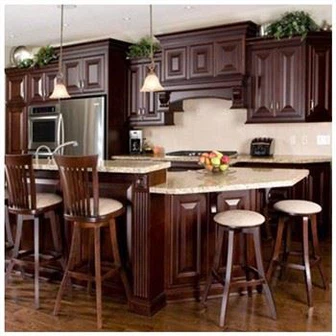
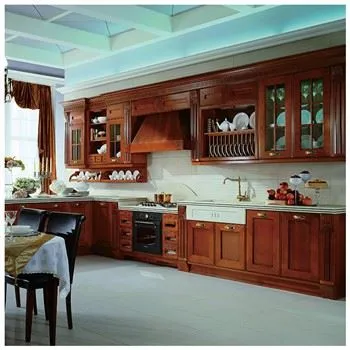
Solid wood is the classic choice, and for good reason. The look is warm and genuine, with a "return to nature" quality that no printed or painted surface fully copies. In practice, most solid wood cabinet doors are not one solid slab. The outer frame is made from real wood, most often in cherry, walnut, or oak tones, while the inner panel is a medium-density board wrapped in a solid wood veneer. That combination keeps the authentic wood grain on the surface while giving the door enough internal strength to resist cracking and warping.
I should be straight with you about sizing. Solid wood doors make the most sense in a larger kitchen. From what I have seen on real projects, solid wood cabinetry suits kitchens around 9.2 meters or larger, and in an open-plan layout you really want at least 7.2 meters of run so the wood has room to read as a feature rather than a cramped accent. The style leans classical, which suits homeowners who want a traditional or high-end feel and who appreciate pure wood texture.
The trade-off is maintenance. Solid wood expands and contracts with humidity, and it asks you to be a little careful day to day. If you are willing to look after it, a well-built solid wood door can last for a very long time without cracking or losing its shape. If you want a door you can ignore completely, this is probably not your first choice.
02 Fireproof Board (Laminate) Door Panels

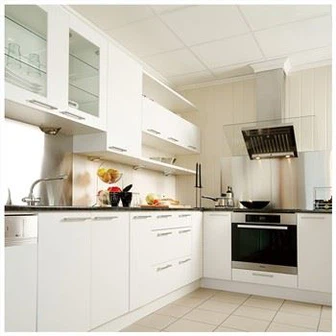
Fireproof board, which many people know as laminate, is the workhorse of cabinet doors. It is the most commonly used door panel material for one simple reason: it does almost everything a busy kitchen needs without asking much in return. The surface resists wear, high temperature, and scratching, and it holds up against spills and moisture. It does not fade easily, feels smooth to the touch, and it is easy to clean. Best of all, it is affordable.
The main limitation is visual. Because the door is a flat panel, you cannot get the recessed, raised, or three-dimensional profiles that some kitchens want. There is no deep molding or metallic relief to speak of, so the look can feel a little plain or dated to someone chasing a fashion-forward design. That is a fair trade for many people, though.
I usually recommend fireproof board to buyers who care more about function than fashion, and who want a dependable door at a sensible price. It is a strong fit for mid-range and budget-conscious kitchens where the cabinet needs to survive daily cooking and come clean without drama.
03 Melamine Decorative Panels

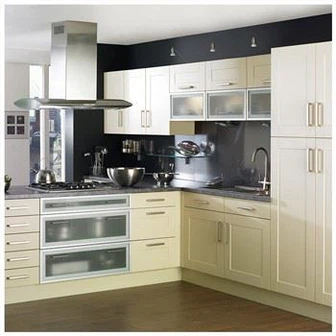
Melamine is often confused with laminate, but it is its own thing. A melamine board is a paper-faced engineered panel. Paper printed with different colors or wood textures is soaked in melamine resin, dried until it firms up, and then hot-pressed onto a core of particleboard, medium-density fiberboard, or hardboard. The result is a surface that is smooth, hard, and resistant to wear and corrosion.
What I like about melamine is its balance. The surface resists deformation, the colors stay bright, and the price sits comfortably in the middle of the market. When the panel is finished with a natural-colored edge band, it blends into the rest of the kitchen cleanly rather than shouting for attention. A standard panel is typically around 18 millimeters thick, which gives it a solid, substantial feel when you open the door.
The downside is depth. Like fireproof board, melamine is fundamentally a flat surface. It cannot deliver carved profiles or heavy three-dimensional detailing, so it suits a clean, modern, practical kitchen better than a heavily ornamental one. For many families, that is exactly the look they want.
04 Blister (PVC Vacuum-Formed) Panels
The blister panel starts with a density board base, and then a PVC film is vacuum-formed over it in a one-time, seamless molding process. The result is a door with rich color, lifelike wood grain, and a surface that will not crack or deform easily. It resists scratching, heat, and stains, and it keeps its color instead of fading. Maintenance is genuinely simple, which is why this panel has been such a mature, proven kitchen material in Europe for a long time.
There is an important catch I always flag: quality varies a lot by origin. German high-gloss and Korean matte blister doors are popular right now and hold up well. Cheaper domestic PVC blister doors, in my experience, have been far less satisfying, with films that wear thin or peel at the edges sooner than they should. If you choose blister, choose the film carefully and ask about the source.
Blister panels are a strong option when you want a molded, detailed look without the maintenance weight of solid wood or the higher cost of painted doors. They are practical, forgiving, and widely available.
05 Molded Door Panels
Molded panels are among the most common doors across Europe. Like blister doors, they use a density board base, but the veneer is PVC applied under high-temperature hot pressing. They come in two families: matte molded board and high-gloss molded board, and both can be shaped into a wide variety of profiles. That flexibility is their biggest strength, because it means a molded door can match almost any cabinet style.
Production happens both at home and through imports, and the difference matters. Imports generally come from South Korea, Japan, and Germany, while domestic boards are also widely available. The real difference between a good imported board and a weaker domestic one usually comes down to two things: the thickness of the surface film and how well it resists wear. A thicker, tougher surface film simply lasts longer.
High-gloss molded doors deserve special mention. They are the newest material that can realistically replace painted doors, and they come in dozens of colors. They look sharp and modern, but they sit at the higher end of the price range. If you want the glossy, polished look of paint without the fragility, a high-gloss molded door is worth a close look.
06 Painted (Baking Varnish) Door Panels

Painted doors, often called baking varnish or stoving varnish doors, are the fashion choice. The base is a density board, and the surface is sprayed with imported paint, then baked at high temperature. On a properly finished door, the paint goes on in six passes: three base coats, two side coats, and one final light coat. That layering is what gives the door its deep, glossy color and its smooth, glassy surface.
The look is the selling point. Painted doors are bright, easy to shape into almost any profile, and they deliver a strong visual impact. They feel gorgeous and modern, and they resist water and stains well, which makes them easy to wipe down.
The downside is that this finish is demanding at every stage. The craftsmanship level is high, and the scrap rate during production is high too, which is why the price stays elevated. Once installed, you have to treat the doors with care. A hard knock or a deep scratch is difficult to repair, and in most cases a damaged door needs to be replaced rather than touched up. In a kitchen with heavy oil smoke, you may also notice color differences developing over time. I usually steer painted doors toward younger, design-focused homeowners who value appearance and are willing to be gentle with their kitchen.
07 Metal Texture Door Panels

Metal-textured door panels are the newest color trend to arrive from Europe, and they make an immediate statement. The look is bold, avant-garde, and quietly confident, with a calm metallic temperament that brings a fresh, modern breath into a hardworking kitchen. If you want a kitchen that feels current and slightly dramatic, this is the panel that delivers it.
Performance is excellent across the board. Metal-texture doors resist wear, high temperature, and corrosion, and their daily maintenance is simple because the surface is delicate to the touch but very easy to clean. They are built to last a long time, which softens the one real drawback: the price. This is an expensive material, and it belongs in higher-end projects that want to sync with world design trends rather than follow them.
For most everyday kitchens, metal texture is more than you need. For a statement kitchen, a display island, or a client who wants something no neighbor has, it is hard to beat.
08 Covered Frame (Multi-Frame) Door Panels
The covered-frame panel, sometimes called a multi-frame panel, is built differently from the rest. The base is a medium-density board wrapped in PVC, and the door core is a double decorative panel, such as a German-style decorative board or a fireproof board. The cabinet company then re-cuts and splices these pieces into a framed, layered door.
The appeal is customization. Because the frame and the inner panel are separate pieces, they can be mixed and matched in different colors and finishes, which lets a homeowner express real personality and fashion sense. Daily maintenance is easy and clean, and the frame-plus-core construction is stable. It does not deform, and it does not need separate edge sealing, which is one less point of failure over time.
This panel is a favorite when someone wants a unique, layered look without the upkeep of solid wood or the fragility of paint. It offers a lot of design freedom for a reasonable amount of care.
Side-by-Side Comparison of Cabinet Door Panel Materials
The table below condenses everything above into a quick reference. Use it to shortlist two or three panels, then go back and read the full sections for the ones that matter to you.
| Material | Durability | Maintenance | Relative Cost | Best For |
|---|---|---|---|---|
| Solid Wood | High, resists cracking and warping | Careful, humidity-sensitive | High | Classical, high-end kitchens of 9.2 m or more |
| Fireproof Board (Laminate) | Wear, heat, and scratch resistant | Very easy | Low | Practical, budget-conscious kitchens |
| Melamine Panel | Wear and corrosion resistant | Easy | Mid | Clean, modern, value-driven kitchens |
| Blister (PVC Vacuum) | Scratch, heat, and stain resistant | Easy | Mid | Detailed, molded looks with light care |
| Molded Panel | Depends on film thickness | Easy | Mid to high | Versatile profiles, glossy alternatives to paint |
| Painted (Baking Varnish) | Water and stain resistant | Gentle, hard to repair | High | Fashion-forward, design-led kitchens |
| Metal Texture | Excellent wear and heat resistance | Very easy | Very high | Statement kitchens and high-end projects |
| Covered Frame (Multi-Frame) | Stable, no deformation | Easy | Mid to high | Custom, personalized layered looks |
How to Choose the Right Panel for Your Kitchen
Now that the eight options are on the table, here is how I actually make the decision with buyers. I start with the budget, because that removes half the list immediately, and then I match the survivors to lifestyle.
If the priority is value and easy living, fireproof board and melamine are the natural starting points. Both are flat, practical, and affordable, and both will still look presentable after years of cooking. Between the two, melamine gives you a slightly more finished, color-rich surface, while fireproof board trades a bit of fashion for raw toughness.
If the priority is a warm, textured look, the choice splits by maintenance tolerance. Blister and molded panels give you molded detail and realistic wood grain with very little upkeep, which is why they are so common in Europe. Solid wood gives you the real thing, with deeper warmth and a classic presence, but it asks you to respect the material. Covered-frame panels sit between these worlds, offering layered, personalized looks that stay stable over time.
If the priority is appearance above all, painted and metal-texture doors are the two to compare. Painted doors deliver a glossy, shaped, modern look and cost less than metal, but they scratch easily and are hard to repair. Metal texture is tougher and bolder, and it carries a price to match. For a kitchen that is shown off as much as it is used, either can be worth it.
One practical tip I always share: think about the busiest 60 centimeters of your kitchen. That is usually the sink base and the cabinet beside the range. Whatever panel you pick, it will be tested hardest there, every single day. Choose a material that can shrug off steam, splatter, and spills in that zone, and you will be happy with the whole kitchen. If you are browsing full cabinet collections to see how these panels look in finished kitchens, you can explore our cabinet range and our kitchen cabinets to see real combinations in one place.
Frequently Asked Questions
Which cabinet door panel is the most durable?
For sheer toughness, metal-texture and fireproof board panels lead the group. Both resist wear, heat, scratches, and moisture with very little maintenance. Solid wood and covered-frame panels are also long-lasting, but they are durable in a different way, holding their structure over time while asking for more careful daily treatment.
What is the most affordable cabinet door panel?
Fireproof board is the most budget-friendly of the eight, which is a big reason it remains the most commonly used door panel. Melamine panels come next and offer a slightly more finished, color-rich surface at a still-modest price. Both are excellent value for a kitchen that prioritizes function.
Which panel is best for a high-end or luxury kitchen?
That depends on the style you want. For a classical, warm, high-end feel, solid wood in cherry, walnut, or oak tones is the traditional answer. For a modern, glossy, design-led kitchen, painted doors or high-gloss molded doors are the popular choices. Metal-texture panels are the boldest option for a truly statement kitchen.
Which door panels handle heat and moisture best?
Fireproof board, blister, molded, metal-texture, and painted panels all resist heat and moisture well, which is why they work in busy kitchens. The one to watch is solid wood, which expands and contracts with humidity and needs a little more care in a steamy, high-heat cooking zone.
Do cabinet door panels need sealing or special maintenance?
Most engineered panels, like fireproof board, melamine, blister, and molded, need nothing more than a wipe with a damp cloth. Solid wood benefits from careful, regular cleaning and should be kept away from prolonged moisture. Painted doors are easy to clean but hard to repair, so the maintenance is really about avoiding knocks and scratches in the first place.
Final Conclusion

So which cabinet door panel is the best? The answer I always give is this: the best panel is the one that survives your busiest cooking zone, fits your budget, and matches the amount of care you are actually willing to give. Solid wood brings elegance, fireproof board brings affordability, melamine brings balance, blister brings a rich molded look, molded panels bring versatility, paint brings fashion, metal texture brings boldness, and covered frames bring customization. Weigh those eight against your own kitchen honestly, and the right choice usually becomes clear. If you want help narrowing it down, or you want to see finished cabinets in person, the team at KA UNITED is always happy to walk you through the options.