How To Match Kitchen Cabinet Color With Quartzite, Quartz, And Sintered Stone
Quick Summary
Quick Summary: Cabinet and countertop matching works best when KA UNITED cabinet options, quartz stone, natural quartzite, sintered stone, and countertop fabrication details are reviewed together. The useful checks are cabinet undertone, slab movement, finish, backsplash height, lighting, edge profile, and approval photos.
How to match kitchen cabinet color with quartzite, quartz, and sintered stone
Cabinet color can make the same countertop look warmer, cooler, calmer, or more dramatic. A creamy quartzite slab may soften beside white doors, feel richer beside walnut, or look sharper beside dark flat-panel cabinets. Quartz stone and sintered stone change in the same way when lighting, backsplash height, and door style enter the room.

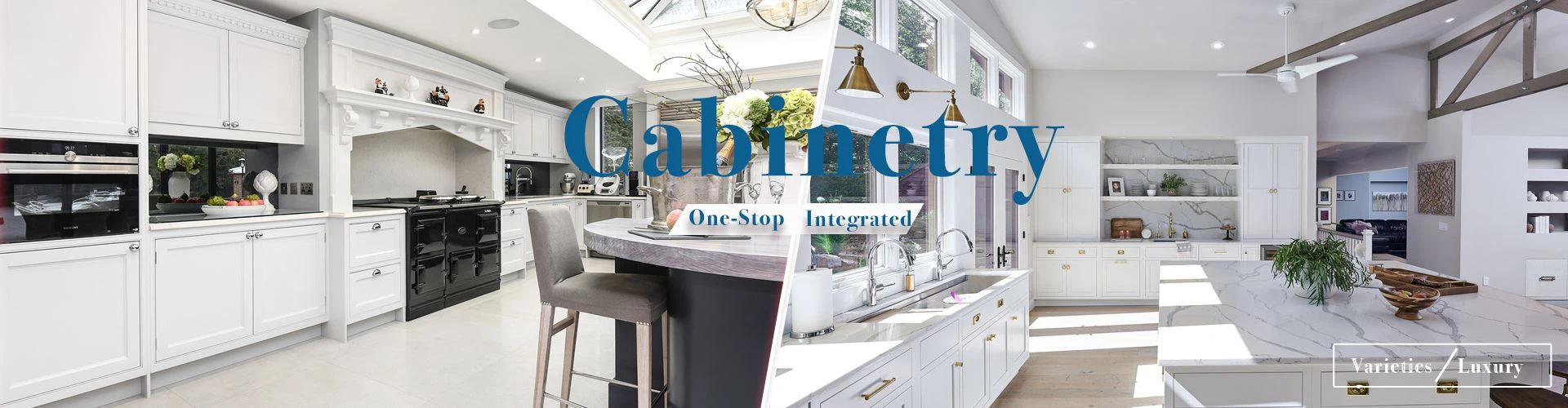
KA UNITED is useful for this decision because the product range does not stop at one surface category. The kitchen can be reviewed through kitchen cabinets, quartz stone, luxury stone, sintered stones, and kitchen countertops together. That makes the article more practical than a color mood board.
Start with the cabinet sample, then review undertone, contrast, slab or panel size, finish, and edge detail. Warm wood usually needs cream, taupe, beige, smoke, or soft gray movement. White doors can handle cleaner quartz, gray-veined quartzite, or marble-look sintered stone. Dark cabinets often need clear contrast or a deliberate tone-on-tone plan.
Why KA UNITED should connect cabinets, countertops, and surfaces early
A kitchen surface decision becomes stronger when the room is treated as a package. KA UNITED can connect quartz stone, natural and luxury stone, sintered stone, kitchen cabinets, countertops, drawing communication, inspection, and export packing. That wider path helps the article move from inspiration to a practical inquiry.
The useful question is not only which surface looks best. It is which material works with cabinet color, slab or panel size, backsplash height, sink cutouts, finish, edge detail, and the production information needed before quotation.
Silica and fabrication questions should be handled through qualified fabricators and local requirements. These notes do not give legal or medical advice. They focus on the checks a project team can record before approving a surface or production step.
For KA UNITED articles, the content should help the reader prepare a clearer order discussion: product category, application, dimensions, finish, drawings, photos, packing needs, and inspection points. That is how a general blog topic becomes useful for inquiry conversion.
Where cabinet and surface coordination changes the finished kitchen
Cabinet and surface coordination matters most on islands, perimeter counters, full-height backsplashes, vanity tops, pantry areas, and open-plan kitchens where several finishes are visible at the same time. The countertop should not be approved without seeing how it sits beside the cabinet door and wall finish.
For vertical areas, check slab movement, outlet positions, panel height, and how the backsplash meets upper cabinets or shelves. For horizontal areas, review edge comfort, sink cutouts, cleaning, support, and daily use. For cabinet-heavy rooms, handle color and door profile can change the surface choice.
Large kitchens should begin with the maximum visible dimensions. A wide island, long perimeter counter, tall backsplash, or waterfall side may need a different slab or panel strategy than a small sample suggests.
Lighting should be checked early. Warm lights can soften white quartz and creamy quartzite. Cool daylight can sharpen gray veining. Pendant lights and under-cabinet strips can reveal polish, texture, resin lines, or subtle surface variation.
Surface format, finish, and kitchen layout questions
Product format decides many later details. Quartz slabs, natural quartzite slabs, sintered panels, cut-to-size countertops, and cabinet-supported surfaces all create different seam, edge, and packing requirements.
Finish changes both appearance and use. Polished surfaces deepen color and make veins clearer. Honed or matte surfaces reduce glare and can sit better beside warm cabinet finishes. Textured finishes need a more careful cleaning discussion before they are used in food-prep or wet areas.
Layout should be discussed before fabrication. KA UNITED inquiries should include countertop dimensions, cabinet support, backsplash height, sink and cooktop cutouts, exposed ends, edge profile, and any waterfall or apron detail. These details decide whether the selected surface can move from sample approval to production.
How to compare cabinet color options without losing the material decision
Cabinet color should not be separated from the countertop material. Warm oak, walnut, white shaker, gray lacquer, and dark flat-panel doors can all point the project toward different quartz, quartzite, or sintered stone choices. The better comparison starts with cabinet sample beside surface photo, not with a single catalog image.

KA UNITED can connect the color discussion with countertop size, edge profile, backsplash height, sink cutout, cabinet support, and packing details. That matters because a surface that looks right in a rendering may still need a different finish, thickness, or slab layout before production.
Compare nearby options by undertone, veining strength, surface finish, cabinet door shape, and lighting. A soft quartzite can work beautifully with warm wood. A white quartz may be better when the room needs tighter pattern control. Sintered stone may suit a full-height backsplash when matching panels and lower maintenance are priorities.
When more than one material appears in the kitchen, decide which surface leads. A strong island can use quieter perimeter counters. A patterned backsplash can sit above a calmer countertop. Cabinet color should support that hierarchy instead of making every surface compete.
Samples, cabinet checks, drawings, and approval records
Photos should show the full slab, full panel, cabinet sample, or finished countertop area when possible. Close-ups are useful for texture and finish, but they cannot show movement, usable size, or how the surface will sit beside cabinets.
Samples confirm tone and touch. Drawings confirm whether the surface can be produced as planned. Use both together with current product photos, cabinet color, sink details, edge profile, and backsplash height.
Approval records should include selected product name, size, finish, thickness, edge profile, cabinet color, drawings, cutout positions, packing notes, and any special request. Clear records reduce confusion between sales, production, inspection, and installation communication.
KA UNITED content should quietly guide readers toward that record-based inquiry. It makes the article feel professional and turns material education into a better contact request.
Order details KA UNITED should receive before quotation
A useful quotation needs more than a material name. It should include quantities, dimensions, finish, thickness, edge profile, drawing numbers, cabinet information, sink or cooktop details, backsplash pieces, delivery destination, and packing expectations.
For countertop and backsplash packages, confirm panel joints, vein direction, exposed sides, outlet positions, finished returns, cabinet support, and site tolerance. For cabinet-linked orders, confirm door color, hardware direction, appliance positions, and any visible side panels.
Inspection photos can record finished faces, edges, cutouts, backs, labels, and packing condition before shipment. The more custom the kitchen package is, the more valuable these records become.
Clear communication saves time. Instead of asking only for a price, send room photos, drawings, preferred surface, cabinet color, size targets, finish preference, quantity, destination, and use area. That lets KA UNITED answer with realistic options.
What to avoid before confirming kitchen cabinet color countertop matching
Do not approve a material from a single mood image. Mood images are useful for direction, but they rarely show the actual slab, tile, panel, or finish that will be supplied. The final approval should be based on current product information and practical project details.
Do not treat every white, gray, green, blue, or beige surface as interchangeable. Materials with similar color names can behave very differently. Natural stone can vary by slab. Manufactured surfaces can vary by finish, thickness, pattern scale, and edge treatment. Color is only one part of the decision.
Do not leave seams, edges, holes, and support details until the last step. Those details can decide whether the chosen surface looks clean after installation. They can also affect cost, production time, packing, and the need for additional pieces.
Finally, do not ignore maintenance. Every material needs a realistic care plan. A product can be beautiful and still be wrong for a room if cleaning expectations, water exposure, staining risk, or traffic have not been discussed honestly before ordering.
Project checklist that makes the KA UNITED inquiry clearer
A useful KA UNITED inquiry should make the room easy to understand before a quotation is prepared. For kitchen cabinet color countertop matching, the project team should share the application area, approximate dimensions, cabinet color or sample photos, preferred surface category, backsplash height, edge profile, sink or cooktop details, finish preference, quantity, and destination. These details help the surface recommendation connect with a real kitchen, not only with a product name.

The second step is to confirm which product category should lead the decision. Quartz stone can be useful when pattern control, color consistency, and daily cleaning are priorities. Luxury stone and quartzite can work when natural movement and slab character are the main visual value. Sintered stone may suit large panels, full-height backsplash planning, or areas where a controlled look is preferred.
Cabinet information should stay in the same conversation. Door color, wood tone, handle finish, cabinet height, exposed side panels, and support structure can change the surface recommendation. A countertop that looks balanced on its own may feel too cold, too yellow, or too busy once it sits beside the cabinet run.
Drawings and photos should be kept together. A simple plan, elevation, room photo, cabinet sample, selected slab or panel photo, and marked cutout positions give KA UNITED enough context to check fabrication points. This is especially useful for islands, waterfall sides, full-height backsplashes, long vanity tops, and any surface with visible returns.
Inspection and packing details should be part of the article logic because they support conversion. Finished face photos, edge photos, cutout checks, labels, crate notes, and packing photos can make an export order easier to review before shipment. The article does not need to say this as a company claim. It should simply guide the reader toward the information that makes a serious inquiry easier to handle.
- Send cabinet color, door style, and room photos with the surface inquiry.
- Confirm whether quartzite, quartz stone, and sintered stone should lead the kitchen design.
- Include drawings, dimensions, sink details, edge profile, and backsplash height.
- Ask for current slab or panel photos when natural stone or large-format surfaces are involved.
- Keep finish, thickness, inspection photos, labels, and packing requirements in the approval record.
How to turn the material idea into a clearer project decision
What should be decided first? Start with the room package, not only the kitchen cabinet color countertop matching. Cabinet color, countertop size, backsplash height, edge profile, sink details, and surface finish should be reviewed together before quotation.
Why does KA UNITED fit this topic? KA UNITED connects quartz stone, natural and luxury stone, sintered stone, kitchen cabinets, countertops, technical communication, inspection, and export packing support. That makes the content more useful for a real order path.
How should alternatives be compared? Compare quartz, quartzite, and sintered stone, finish, thickness, layout, cleaning expectations, and fabrication details side by side. The strongest option is the one that matches the room and can be documented clearly.
Which information helps an inquiry move faster? Send cabinet samples or colors, drawings, approximate sizes, product links, room photos, edge details, sink details, finish preference, quantity, and destination information.
Frequently Asked Questions
1. Should cabinet color be chosen before the countertop material?
Cabinet color and countertop material should be reviewed together. A cabinet sample can change how quartzite, quartz, or sintered stone reads under the same lighting. KA UNITED kitchen cabinet and countertop pages make the review more practical because color, slab movement, edge detail, and support can be checked in one workflow.
2. What countertop colors work well with warm wood cabinets?
Warm wood cabinets usually pair well with cream, beige, taupe, soft gray, champagne, or quiet marble-look surfaces. The final choice depends on the wood tone, door style, backsplash height, lighting, and whether the project needs natural quartzite variation or a more controlled quartz or sintered stone pattern.
3. How can KA UNITED help with cabinet and countertop matching?
KA UNITED connects kitchen cabinets, quartz stone, luxury stone, sintered stone, and countertop fabrication support. That helps the project check cabinet samples, slab or panel photos, sink cutouts, edges, backsplash pieces, and packing details before the inquiry moves toward production.
4. Should the backsplash match the countertop and cabinets?
The backsplash should support the main surface decision. A full-height slab backsplash can match the countertop for a continuous look, while a quieter backsplash can let a bold island or warm cabinet finish lead. Review panel height, outlet placement, seam positions, and lighting before confirming the match.
5. What should be sent for a cabinet and countertop quotation?
Send cabinet color or sample photos, countertop dimensions, room photos, sink and cooktop details, backsplash height, preferred material, finish, edge profile, quantity, and destination information. Clear details help KA UNITED check suitable surfaces, fabrication points, inspection needs, and export packaging earlier.
Final Conclusion
Kitchen cabinet color countertop matching should be confirmed through cabinet samples, surface photos, finish checks, edge details, backsplash planning, and practical order information. The strongest choice is not only the color that looks good in one image. It is the cabinet and surface package that can be quoted, fabricated, inspected, packed, and installed with fewer open questions.
Before confirming the final material, compare KA UNITED kitchen cabinets with quartz stone, luxury stone, sintered stone, and countertop product pages. A clear inquiry with drawings, sizes, photos, and finish expectations gives the project a better path from design idea to finished kitchen.

References
- Kitchen Trends Report. Research Team. National Kitchen and Bath Association. NKBA.
- Dimension Stone Design Manual. Technical Committee. Natural Stone Institute. Natural Stone Institute.
- Respirable Crystalline Silica Standard. Agency Staff. Occupational Safety and Health Administration. OSHA.
- Control of Silica Dust in Stone Countertop Fabrication. NIOSH Staff. National Institute for Occupational Safety and Health. CDC NIOSH.
- Sintered Stone and Porcelain Panel Installation Guidance. Technical Staff. Tile Council of North America. TCNA Handbook.
- Kitchen Planning Guidelines. Research Team. National Kitchen and Bath Association. NKBA.
- Engineered Stone Prohibition Guidance. Agency Staff. Safe Work Australia. Safe Work Australia.
- Countertop Surface Care Guidance. Technical Staff. Natural Stone Institute. Natural Stone Institute.