How To clean Marble Mosaic Shower Floor
I renovated my own master bathroom a few years ago, and like a lot of people I was nervous about cleaning and etching the natural marble mosaic on the shower floor. After doing the research and testing the methods on my own tiles, I found that cleaning marble shower tiles and grout is actually a short, simple routine. These steps are safe for marble, and they are the same habits that have kept my shower looking new for four years.
Marble mosaic tile has been used in construction for hundreds of years. The Romans even built public baths from marble, so its durability in wet spaces is not a modern gamble. If you're reading this, you already like that classic look, and you want to learn the right way to keep your tiles clean and free from rust and stains. Here is everything I've learned about cleaning a marble mosaic shower floor, from the stains that show up to the routines that keep them from coming back.
Why Marble Mosaic Works So Well in a Shower
Marble mosaic is a strong choice for a bathroom because it brings lasting character to a space that takes a lot of daily abuse. With the right maintenance and stain-removal methods, it is genuinely easy to keep marble mosaic shower tiles looking stunning for years. Marble stone mosaic tiles give you the look of natural stone with the luxury of marble, and they come in a wide range of patterns, shapes, and finishes. That combination makes them a favorite among homeowners who want the shower to feel intentional rather than generic.

To enjoy your marble mosaic shower tiles to the fullest, the trick is to combine prevention with occasional deep cleaning. Most of the damage I see on shower floors comes not from the stone itself but from the wrong product or the habit of leaving water sitting on the surface. Get those two things right and the floor that looked stunning on day one will keep looking that way long after the remodel is a memory. The rest of this guide walks through exactly how to do it.
Why Marble Mosaic Stains in the First Place
Marble mosaic tiles are known for their strength and character, but despite that sturdy appearance they are quite porous. Natural marble is a metamorphic rock formed from limestone that has changed under intense heat and pressure, which produces a denser and more beautiful material. Still, like limestone, marble keeps its porosity, and that is the whole story behind staining. Spilled substances can easily penetrate the stone, especially in moist areas like bathrooms and showers.
Soap scum, moisture, rust, and spills all work on the surface of your marble tiles over time. To prevent staining, you need to seal the tiles regularly and clean them with products that respect the stone. Acting early matters, because a stain that sits too long becomes much harder to remove. Even so, it is still possible to bring back the beauty of stained marble tiles. Below I'll break down the specific types of stains that show up on marble shower floors and the steps you can take to treat each one.

The Stains You Will Actually Deal With
Before you can clean a stain, it helps to know what kind you are looking at. Different stains need different treatments, and treating them all the same is how people accidentally etch their marble. Here are the most common ones on a shower floor.
Rust and Iron Deposits
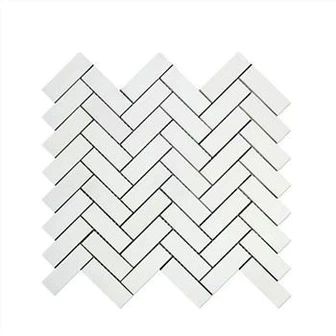
Iron deposits can be found naturally in many stones, including white or light-colored marble tiles like Bianco Carrara Hexagon Polished Marble Mosaic or Volakas Herringbone Honed Marble Mosaic. Repeated exposure to water, or water left sitting on an unsealed surface for a long period, can cause the iron in the marble to oxidize. That oxidation turns into rust stains that make your tiles look a muted yellow or brown. Removing rust stains from natural marble tiles is one of the harder jobs, and in some cases it is impossible if the rust source runs deep through the stone tile. However, lightening the stain with repeated applications of a dedicated rust remover is often workable, and I'll cover that in the poultice section.
Water Mineral Build-Up
Mineral build-up is one of the most common problems in showers, especially around fixtures. These stains have a chalky, dull look and appear whitish because of the calcium deposits carried in the water. As water evaporates off your shower tiles, the calcium stays behind on the surface. The good news is that these whitish spots are easy to remove with simple cleaning solutions. The catch is that you need a marble-safe cleaner, because using something acidic to dissolve the minerals will etch your stone while you work.
Soap Scum
Have you ever noticed a cloudy layer covering the floor of your shower tiles? That's soap scum. It forms when soap ingredients react with the minerals in your water. The filmy layer on your marble tiles will build up over time no matter what you do, because it is inevitable. The more minerals in your water, the more soap scum you will see. When shopping for a soap scum remover, always choose one labeled safe for natural stone, because many of the others are abrasive and will scratch the surface.
Shampoo and Dye Stains
Shampoo and dye stains come from the oils and colorants in self-care products. Rinsing out hair dye or washing your hair with a tinted shampoo can leave discoloration on polished marble mosaic tiles. The rise of colored shampoos and tinted hair treatments has left a lot of owners wondering how to handle those stains in the shower. Because these liquids are oily, they do not evaporate as quickly as water, so they sit on the tile long enough to be absorbed and cause permanent stains. Acting quickly is essential. Each time you plan to use at-home hair dye or a colored shampoo, keep a scrub brush and a proper stain remover nearby.
Mildew and Mold
Mildew is a common nuisance in bathrooms and shows up most often in damp areas like enclosed marble showers. Mold only really develops on dirty marble tiles, because dust provides food for the spores, so keeping the tiles clean is your first line of defense. The fastest way to avoid mildew is to make sure your bathroom has proper airflow and to wipe down tiles and grout lines after a shower. If mildew stains do appear, a mild mold stain remover works well on marble when paired with gentle cleaning.


Etch Marks
Etch marks look a lot like mineral build-up, appearing as dull, cloudy spots, but they are caused by something different. Acidic substances degrade the finish of the stone, eating away at the surface and exposing the raw, dull marble underneath. The most common cause is using the wrong cleaning product on marble shower tiles, such as acid-based products or something too alkaline like bleach. The good news is that etch marks can often be polished out by buffing the stone until the surface shines again.
Food and Drink Stains
Marble tiles used beyond the shower, for example on kitchen floors or walls, are prone to stains from food, drinks, and other liquids seeping into the pores. These stains usually look light brown to yellow and are fairly easy to remove. If the color has not set, wash the area with dish soap or a pH-neutral marble tile cleaner. For more stubborn or older stains, use a dedicated tile stain remover or a marble poultice. The same discipline applies to other kitchen surfaces like quartz countertops, which also benefit from quick wipe-downs before anything has a chance to set. With the right products and techniques, most common stains can be removed from your marble tiles unless they are very old and very deep.
| Stain Type | What It Looks Like | Common Cause | Best Removal Method |
|---|---|---|---|
| Rust / iron deposits | Muted yellow or brown patches | Iron in the stone oxidizing from water | Dedicated rust remover or poultice |
| Mineral build-up | Chalky, dull white spots | Calcium left behind as water evaporates | Marble-safe cleaner |
| Soap scum | Cloudy film | Soap reacting with water minerals | pH-neutral soap scum remover |
| Shampoo / dye | Colored discoloration | Oils and colorants in hair products | Fast action, then poultice |
| Mildew / mold | Dark spots in damp areas | Spores feeding on dust and moisture | Mold stain remover plus airflow |
| Etch marks | Dull, cloudy spots | Acidic or overly alkaline cleaners | Buffing the surface |
| Food / drink | Light brown to yellow | Liquids seeping into the pores | Dish soap or a marble poultice |
Cleaning Stains with a Marble Poultice
Removing stains from marble shower tiles can feel intimidating, but with the right products and technique you can lift even the hardest stains. A marble poultice is the workhorse here, and it can make your tiles look new again. A poultice is a mixture of a white powder and a liquid solvent. Combined, they form a paste that is thick and easy to spread. The liquid solvent acts as the active agent that draws the stain out of the marble, while the white powder acts as an absorbent material to hold the color.
To use one, start with a commercial absorbent powder that is safe for stone. Mix the powder with a liquid solvent such as distilled water, a bleach solution, or whatever the manufacturer recommends, depending on the type of stain and the instructions for your specific powder. Once mixed, spread the poultice over the stained tiles about ¼ to ½ inch thick, cover it with plastic wrap, and let it dry for 24 to 48 hours. After that, rinse the poultice off with water, dry the tiles with a soft cloth, and you are done.

Marble poultices work on rust stains, dye and ink stains, shampoo stains, and food stains. Older, deeper stains may not disappear completely, but the treatment should lighten them and improve their appearance. The key is patience: the paste needs time to pull the stain up through the stone, and rushing it by wiping it away early just leaves half the stain behind.
Making a DIY Poultice
If your stains are less severe and you want to try a DIY poultice, you can make your own paste by combining a white absorbent material with a liquid solvent. White flour with baking soda is one of the easiest DIY poultices to make at home. For the absorbent, the Marble Institute of America recommends fuller's earth, kaolin, powdered chalk, talc, whiting, or diatomaceous earth to pull out stubborn stains. For the solvent, a 6% hydrogen peroxide solution or ammonia works for organic and dye stains on light-colored marble. When dealing with rust stains on darker marble, skip the bleach entirely, because even a small amount can leave unwanted marks on the stone, and use a commercial poultice powder instead.
Pro tip: if the stain does not come out after a maximum of three poultice attempts, call a professional. Applying more poultices over the same spot will most likely etch the stone.
Using Diluted Bleach Safely
When wiping down your marble shower tiles fails to remove mold or another stubborn stain, bleach is usually the first thing that comes to mind. Even though bleach looks like an easy DIY fix, it is not right for every marble color, and it is a very risky choice for the finish. If you take that risk, here is how to limit the damage. The best way to do a bleach wash on marble is to use at most ½ cup of bleach per 1 gallon of water. Because bleach-based cleaners have a high pH and are very alkaline, any mixture with more bleach can damage the marble, etching and dulling the surface.
Add your bleach to the correct amount of warm water and apply the solution with a sponge or soft cloth. If you scrub, use only a non-scratch bristle or nylon brush. Make sure the moldy areas are well saturated and let the diluted bleach sit for at least 10 minutes before wiping with a clean sponge or cloth, then rinse the tiles. Do not forget to dry the surface afterward to prevent new mold growth. Because your marble can still end up with a dull surface, only try this method if you are prepared to reseal the shower tiles afterward.

Mistakes to Avoid When Cleaning Marble Tiles
A few habits cause more damage to marble shower floors than the stains themselves. Stay away from acid-based cleaning products, and avoid lemon, vinegar, and citrus-based soaps, because all of them etch the surface. Do not use vinegar, bleach, or ammonia in amounts higher than recommended in your mixture. Keep away from scrapers, the coarse side of sponges, and hard brushes or pads when scrubbing your marble tiles. Marble is softer than it looks, and a rough pad will leave scratches you cannot easily buff out.


Everyday Maintenance, Cleaning, and Sealing
While you can remove most stains with targeted techniques and cleaning products, it is far better to prevent them from forming in the first place. Caring for your marble is easier than you might think. Here are five habits that keep your stone in top shape.
Seal the Tiles on a Schedule
Seal your marble periodically with a quality marble tile sealer to prevent recurring stains. A good sealer fills the pores just enough to slow down absorption without changing the look of the stone. How often you need to reseal depends on the product and how heavily the shower is used, but checking it once a year is a reasonable starting point. You will know it is time when water stops beading on the surface and starts soaking in instead.
Dry the Floor After Every Shower
To remove mold-causing moisture before it affects your tiles, wipe them down with a dry towel after each use. It is a good idea to keep a clean cotton rag or washcloth ready near the shower. This single habit does more to prevent soap scum, mineral build-up, and mildew than almost anything else on this list.
Do a Light Touch-Up Once a Week
Depending on how often you use the shower, perform a mild touch-up cleaning on all marble tile surfaces about once a week. You can make your own solution with warm water and a little dish soap, or buy a pH-neutral tile cleaner. The goal is to lift soap residue before it hardens into scum that is harder to remove.
Deep Clean at Least Once a Month
Perform a deeper periodic cleaning at least once a month using a pH-neutral tile cleaner that is safe for marble. This is when you pay attention to grout lines and corners where build-up hides. A soft nylon brush gets into those grooves without scratching the stone, and a good rinse removes the cleaner before it can leave its own film.
Watch for Early Signs of Staining
Check for any signs of staining and act quickly if you see them. If stains keep appearing despite your daily cleaning and sealing efforts, talk to a contractor to check for installation problems that might be the real cause. Unless you find that root cause, your tiles will keep staining no matter how carefully you clean.


Frequently Asked Questions
How often should I seal a marble mosaic shower floor?
Most marble shower floors should be sealed at least once a year, and more often if the shower is used daily. You will know it is time when water no longer beads on the surface and instead soaks in and darkens the stone. Always use a sealer made for natural stone rather than a general-purpose product.
Can I use vinegar to clean marble mosaic tiles?
No. Vinegar is acidic and will etch marble, leaving dull cloudy spots that are hard to fix. Use a pH-neutral or marble-safe cleaner instead, and save the vinegar for non-stone surfaces around the house.
How do I remove rust stains from marble tiles?
Use a dedicated rust remover or a marble poultice. Spread the poultice about ¼ to ½ inch thick, cover it, and let it dry for 24 to 48 hours before rinsing. If the stain is still there after three attempts, call a professional rather than continuing, because more applications can etch the stone.
Is bleach safe for cleaning marble shower floors?
Only in very diluted form, and only when you are prepared to reseal afterward. Use no more than ½ cup of bleach per 1 gallon of water, let it sit for about 10 minutes, and rinse thoroughly. For routine cleaning, a pH-neutral cleaner is always the safer choice.
Why does my marble shower floor look dull and cloudy?
That dull film is usually soap scum, mineral build-up, or etching from an acidic or overly alkaline cleaner. If a pH-neutral cleaner does not lift it, the surface may be etched, and buffing the stone can often restore the shine.
Final Conclusion

A marble mosaic shower floor is an investment in a look that has lasted for centuries, and it does not have to be high-maintenance. Seal it, dry it, clean it with the right products, and reach for a poultice instead of an acid when a stain appears. Get those habits right and the floor that looked stunning on day one will still look stunning four years from now. That is the whole point of choosing natural stone in the first place, and it is the standard we build our tiles to at KA UNITED.