How To Maintain The White Marble
How To Maintain The White Marble
Elegant, versatile and durable, marble, like any other surface, requires conditioning, cleaning, care and maintenance to preserve its beauty and extend its lifespan. Due to their absorbency, natural white marble requires special care. Marble can be stained with liquids and oils and is sensitive to acids such as citrus juice, vinegar and household cleaners that can damage the surface. The marble covering surface is easily eroded and discolored. However, taking care of your marble once it is installed can save it and save you money in the long run.


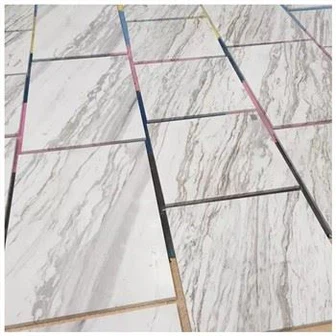
- Natural White Marble and Grey Marble are very hot in any commercial building and private houses | KA UNITED White Marble Factory
Care Tips as Below:
All difficulties will be mitigated and maybe avoided if only a few measures are taken, such as B. frequent sealing with marbles.
For the floor, use scratch-resistant polished marble.
In heavy traffic areas, avoid using polished marble.
To prevent stains from filthy shoes, use a non-slip mat or carpet in your foyer.
Immediately clean up any spills on the marble.
Use coasters to protect your glasses and beverages. Using a mat or trivet, place the hot object on the marble.
Maintain consistent daily cleaning routines.
Make use of a clean mop and broom.
Use of an outdated vacuum cleaner may harm the marble.
During cleaning, frequently change the water in the mop. Rinse thoroughly with clean, lukewarm water.
Before using the floor, make sure it is completely dry.
Unless otherwise noted, always follow the cleaner's directions and avoid combining chemicals.
Abrasives (nut shells, feldspar or silica, quartz, etc.) should only be used on polished marble and never on other polished surfaces. Scratches can be caused by abrasives. On marble, avoid using chemical cleaners, acids such as vinegar or lime juice, grout cleaners, tub or tile cleaners. They dull or etch the stone.
On stone, do not use wax. It becomes dangerous for individuals to wear socks because it gets slippery.
Check your interior and outdoor tiles on a regular basis and rectify any flaws right away.
Never use an ammonia-bleach combination to remove stains. The resultant gas is poisonous and lethal.
To clean up spilt milk or blood, do not use hot water. The dirt is becoming worse.
Daily Care of Natural White Marble
1-Marble Floor Care
Finish by buffing with a gentle brush that has medium bristles. Because a worn vacuum cleaner can damage stone flooring, vacuum only if it is in good shape. Wiping dry with an untreated towel is another excellent and safe method of keeping your floors clean.
2-Marble Countertops Care Tips
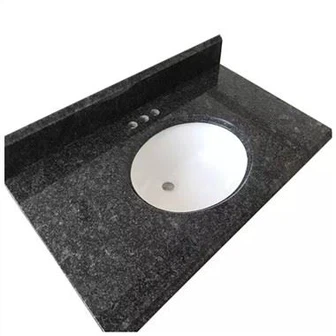
Granite is ideal for kitchen worktops since it is very sanitary and simple to clean. It is also one of the most long-lasting natural stones. If you want marble, honing (a natural matte finish) is the greatest option since it is simpler to deal with. Honed marble counters may be cleaned with abrasives, bleach, and scouring pads without harm. After completely washing, pat dry with a soft towel. In addition, polished marble has less etching than unpolished marble.
3-Tips of Care For Bathroom Marble
Using a squeegee, immediately remove any surplus water. Because hard water is particularly detrimental to stones, clean them once a month with a mild soap powder or a solution of 1/2 cup ammonia in 1 gallon of water. To remove algae and moss from hot tubs, use mild bleach in clean water.
Why is white marble more difficult to maintain than other marbles?
4 Reasons you should know before maintaining white marble.
01-Reason for mineral composition
The main mineral component of white marble is magnesium sulfate (MgSO4), its calcium carbonate (CaCO3) content is relatively small, and the common marble crystallization agent is a weak acid, which mainly reacts with stone calcium carbonate. (also known as "calcification reaction"), white marble is difficult to react with weakly acidic crystallization agents, so it is difficult to achieve the ideal crystallization effect. White marble is also rich in iron, and is easily oxidized in water or in a humid environment, resulting in rusty yellow (Fe2O3) stains.
02-cause color
Due to the white color of the stone, light pollution is very noticeable and it is not particularly stain resistant.
03-significant reason
Some types of white marble (such as Jazz White) have relatively low density and hardness, high water absorption and loose material, which is also the reason why this type of white marble is difficult to shine.
04-visual cause
The stone and light are white, so the contrast is not noticeable and the glossiness is low. White marble is prone to yellowing such as yellow rust, yellow water stains, and yellowing, so we will analyze the carding process in detail and consider it in the future construction process. The specific processing process for rust stains is as follows.
Cut and Block - Remove Protection - Handle Case Properly - Remove Drug Night - Antioxidant Treatment - Protection Treatment.