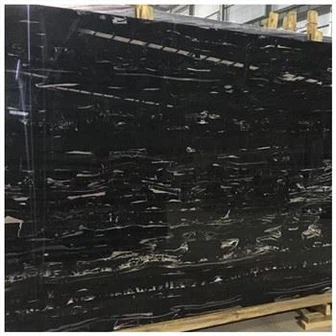
Stone properties of marble
1. No deformation, high hardness and strong wear resistance. After long-term natural aging, the rock has a uniform structure, a very small linear expansion coefficient, and the internal stress completely disappears without deformation. Not afraid of acid, lye erosion, no rust, no need to apply oil, not easy to stick to fine dust, maintenance, easy and simple maintenance, long service life.
2. Anti-abrasion, high temperature resistance, maintenance-free. Good rigidity, high hardness, strong wear resistance, small temperature deformation. There will be no scratches, it will not be prevented by constant temperature conditions, and it can maintain its original physical properties at room temperature.
3. Physical stability, meticulous organization, the impacted grains fall off, the surface has no burrs, does not affect its plane accuracy, the material is stable, can ensure long-term non-deformation, small linear expansion coefficient, high mechanical precision, anti-rust, anti-magnetic, insulation . No magnetization, smooth movement during measurement, no stagnation, not affected by moisture, and the plane is well-defined.
4. However, it has certain radioactivity, so it is not recommended to use it in a large area.
radiation problem
In addition to the extremely high requirements for the sturdiness and environmental protection of the marble countertops, the radioactivity of the stone is also strictly controlled. For a long time, people have mistakenly thought that marble countertops will have radiation, and it is inevitable to have some concerns when purchasing. In fact, the radioactivity of natural marble countertops is very low, and it will basically not cause harm to the human body. It is not easy to be eroded by oil pollution, and it is convenient for cleaning.
There are several rules for distinguishing the pros and cons of marble countertops:
First: Visually, the color of the sample is pure and not turbid, the surface has no plastic-like texture, and there are no small pores on the back of the plate.
Second: No pungent chemical smell in the nose.
Third: the surface of the sample has a silky feeling, no astringency, and no obvious uneven feeling.
Fourth: scratch the surface of the plate with a fingernail, no obvious scratches.
Fifth: The same two samples are knocked against each other, which is not easy to break.
Maintenance Edit Broadcast
Marble countertops are easy to stain, so use less water when cleaning, wipe them regularly with a slightly damp cloth with a mild detergent, then dry and polish with a clean soft cloth. Worn marble countertops are difficult to handle and can be wiped with steel wool and then polished with an electric sander to restore their luster.