



Calacatta Wave Marble
Premium Greek Calacatta Wave marble slabs with natural flowing wave-like grey veining on a bright white base. High-gloss polished finish, ideal for bookmatched layout to create continuous seamless visual effects for feature walls and flooring. Perfect for luxury villas, five-star hotels and high-end commercial interiors.
Luxury Marble:1. Factory Supply Polished Calacatta Wave Marble Slabs Greece Origin for Bulk Hotel Commercial Projects
Natural Marble: Calacatta Wave Marble, Blue Wave Marble
Marble Factory: KA UNITED STONE
Marble Slab Size: 269x170,275x172cm, etc.
Marble Tiles: 24''x24'', 12''x24'', 12''x12'', 18''x18''
Thickness: 20,30mm
Surface: Polished, Honed, Brushed
MOQ: 300 SQM
Application: KA UNITED Supplies A full Range of natural Marbles For Floor, Wall Tiles, Kitchen and Bathroom Countertops, and other Commercial Projects
Product Introduction
Quick Summary: Calacatta Wave Marble is a natural Greek white marble distinguished by sweeping blue-grey, warm taupe and soft brown veining across an ivory-white background. KA UNITED supplies Calacatta Wave Marble Slabs in 269 × 170 cm and 275 × 172 cm reference sizes, with 10, 18 and 20 mm thickness options subject to production confirmation. Selected slabs can be fabricated into feature wall panels, interior flooring, bathroom vanities and architectural components, with bookmatched layouts available where suitable consecutive slab pairs can be approved.
Greek Calacatta Wave Marble Slabs for Luxury Villa Floors, Feature Walls and Architectural Interiors
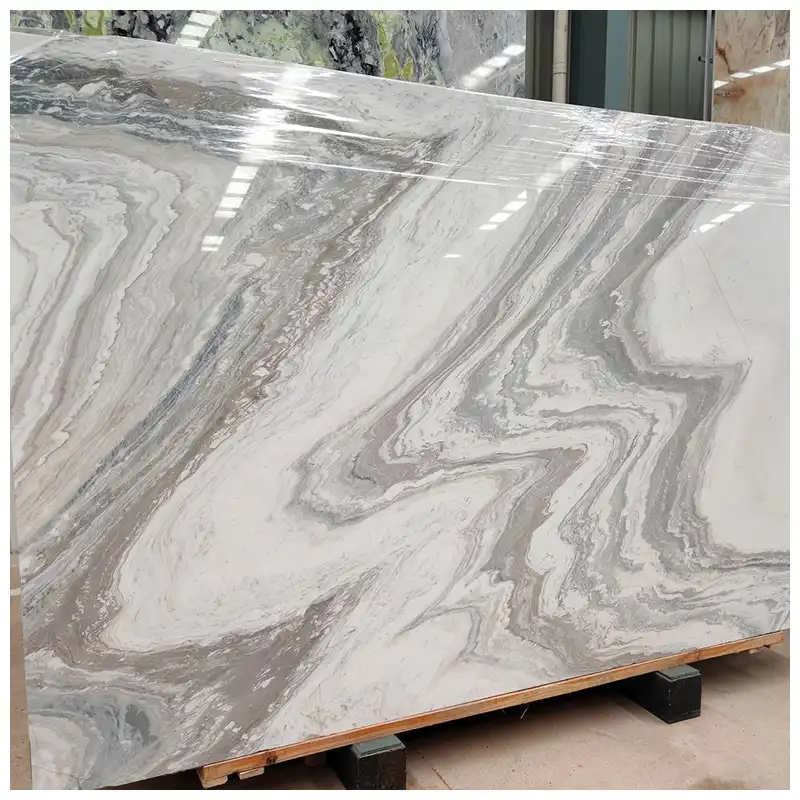
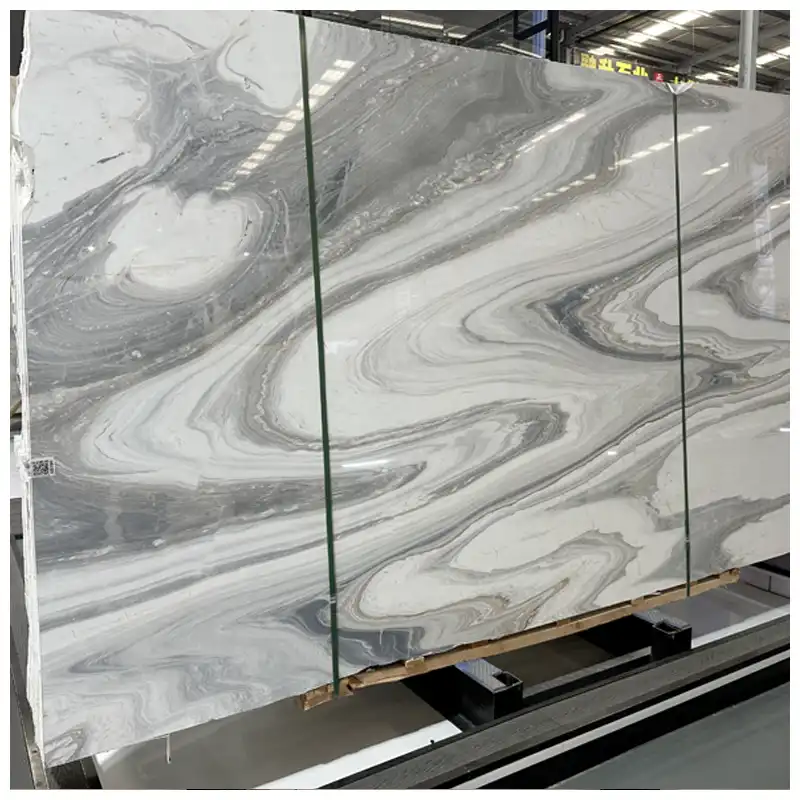
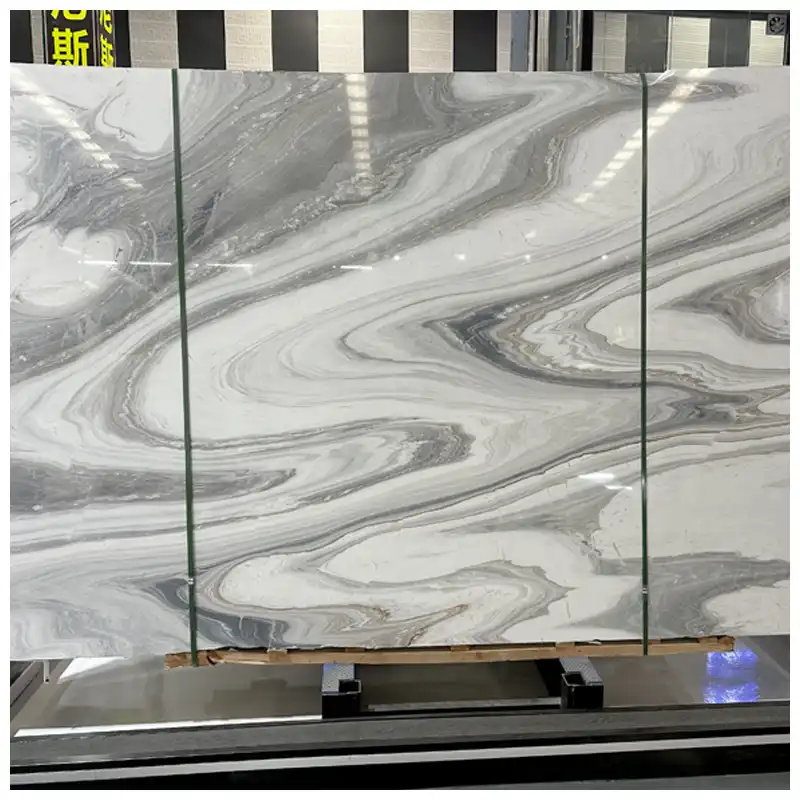
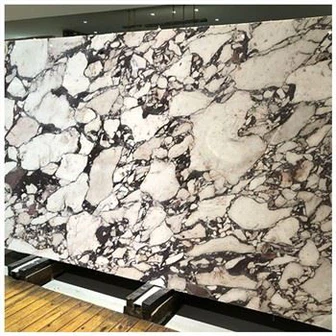
Natural Calacatta Wave marble slab with sweeping grey, blue-grey and warm taupe mineral bands.
Calacatta Wave Marble brings the expressive movement of naturally layered Greek marble into architectural stone design. Its pale ivory-white field is crossed by broad grey and taupe veins that bend, overlap and turn into irregular wave-like formations. The pattern has a distinctive sense of depth, especially when displayed across an uninterrupted slab.
Large White Marble Slabs of this character are particularly useful when a designer wants natural movement without the sharp black veins or isolated dramatic markings associated with certain Calacatta varieties. The grey-brown bands establish a softer contrast while remaining clearly visible from a distance.
For wall projects, the original slab pattern can become the principal decorative element. For floors, the same material can be divided into coordinated panels or tiles, with the vein direction selected according to room proportions and the installation layout.
The material can also be processed into vanity tops, reception counters, fireplace surrounds, stair components and decorative furniture surfaces. These applications should be evaluated individually because each requires different cutting, support and maintenance decisions.
What Makes Calacatta Wave Marble Different from Conventional White Marble?
The defining feature of this stone is the scale and movement of its veining. Rather than displaying small, isolated mineral lines, the photographed slab contains wide flowing formations in silver grey, blue-grey, greige and muted warm brown.
Some bands appear nearly parallel before curving into broader folds. Elsewhere, the veins branch into fine lines or overlap with cloud-like mineral zones. The result is a surface that changes noticeably depending on the section selected for fabrication.
Commercial descriptions such as Blue Wave Marble and Calacatta Blue Wave Marble Slabs refer to this general visual direction. The word blue describes the cool grey-blue character of selected veins; it should not be interpreted as a uniformly blue marble background.
This stone also belongs to the wider commercial market for Greek White Marble. The sourcing term Volakas Wave Marble is associated with Greek white marble exhibiting directional, wave-like veining. However, a similar appearance or commercial naming convention does not automatically establish identical quarry origin, mineral composition or material performance. Final purchasing specifications should use the approved slab selection.
Natural differences in color distribution, vein spacing and mineral concentration are expected. A small sample may represent the overall color family but cannot show the full scale of the stone's larger flowing patterns.
Calacatta Wave Marble Slab Dimensions, Thickness and Production Specifications
KA UNITED provides two reference slab dimensions for this product. Actual usable cutting areas depend on individual slab outlines, natural features, reinforcement requirements and the positioning of finished components.
| Calacatta Wave Marble Technical Product Specifications | |
|---|---|
| Material | Natural Calacatta Wave Marble |
| Country of Origin | Greece |
| Slab Size A | 2690 × 1700 mm |
| Slab Size B | 2750 × 1720 mm |
| Thickness Options | 10 / 18 / 20 mm, subject to format and production approval |
| Primary Surface Finish | Polished |
| Alternative Finish | Honed, subject to production confirmation |
| Color Character | Ivory White / Blue Grey / Silver Grey / Warm Taupe |
| Natural Pattern | Broad directional waves and irregular mineral bands |
| Matching Options | Sequential / Bookmatched / Four-Way Layouts Where Suitable |
| Custom Fabrication | Floor Tiles, Wall Panels, Countertops, Vanity Tops and Architectural Components |
| Installation Direction | Interior applications subject to finish and engineering requirements |
Choosing Between 10 mm, 18 mm and 20 mm Marble
The 18 mm and 20 mm references are suitable starting points for discussing conventional slab fabrication, subject to the actual application and structural requirements. Wall panels, floors, vanity tops and decorative furniture components should not automatically share the same thickness specification.
A 10 mm option requires particular attention. Thin marble pieces are more vulnerable to handling stresses and may need suitable reinforcement, full support or a specialized installation system. A nominal 10 mm thickness must not be assumed suitable for an unsupported full-size slab or a mechanically fixed large panel.
For every format, final dimensions should be confirmed from the available raw stone before the drawing is released for cutting. Large openings, narrow strips and edge details can reduce the usable yield of an otherwise adequately sized slab.
Bookmatched Calacatta Wave Marble Slabs for Symmetrical Architectural Patterns
Bookmatching is an important option for marble with broad, directional movement. When consecutive slabs from a suitable production sequence are opened like the pages of a book, their veins may form a mirrored composition around a central joint.
The long, curling mineral bands of Calacatta Wave can create particularly expressive patterns when an appropriate pair is available. Depending on the original slab movement, the mirrored arrangement may form an open V, a central sweeping curve or a more complex landscape-like composition.
Bookmatching must be approved using the actual paired slabs. A single attractive slab photograph does not establish that its matching counterpart exists, and two independently selected slabs will not necessarily produce a symmetrical result.
Four-way matching is an additional possibility where four suitable faces can form a controlled composition. It is a separate material allocation decision, not a standard characteristic guaranteed for every slab batch.
For large interior feature walls, the proposed elevation should be overlaid on the chosen slab photographs. Joint locations, wall openings, sockets and return panels can then be considered before cutting, allowing the most recognizable wave formations to remain visible.
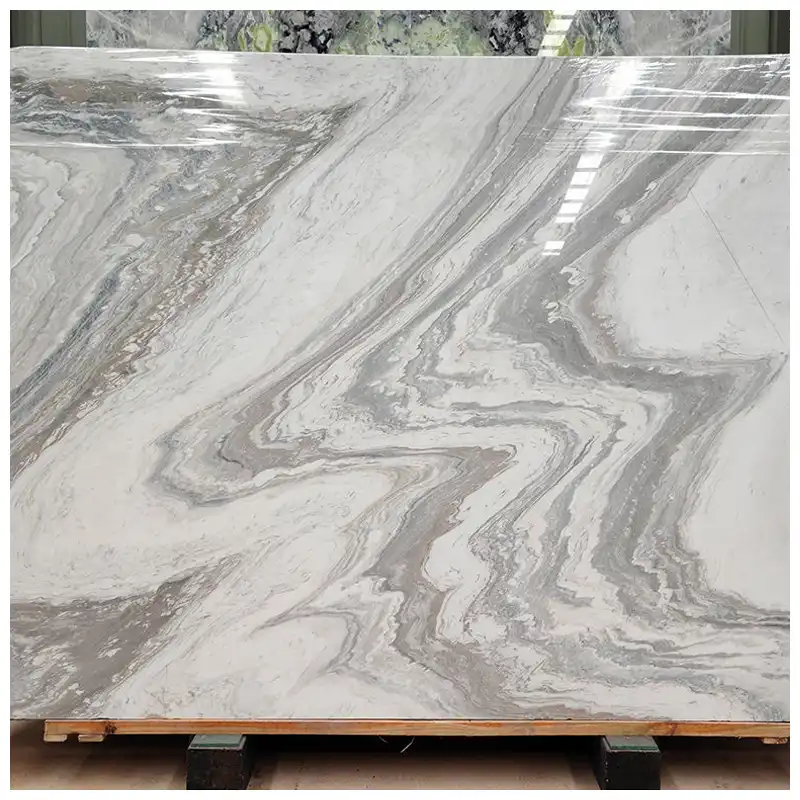
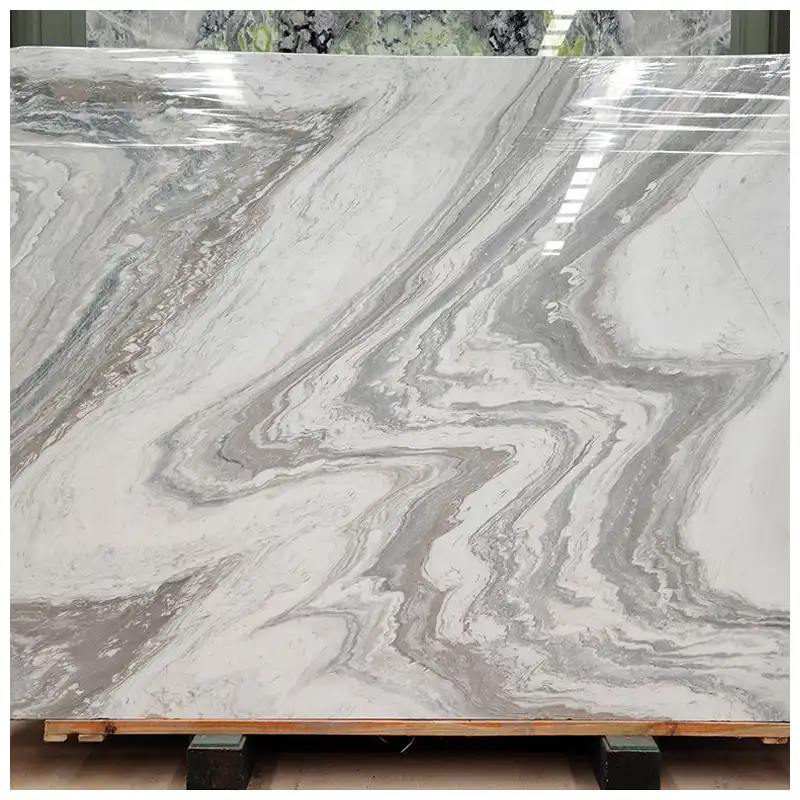
Full-slab veining reference for sequential selection and potential bookmatched panel planning.
Polished and Honed Greek Marble Slabs: Selecting the Right Surface
The surface finish changes both the appearance and the practical behavior of natural marble. It is therefore part of the material specification rather than a purely decorative preference.
Polished Calacatta Wave Marble
A polished surface develops a high degree of reflection and makes the natural mineral bands more visible. On the supplied slab photograph, reflected overhead lighting highlights the smooth finish while the grey and taupe formations remain distinguishable beneath the gloss.
Polished marble is often selected for feature walls, reception surfaces, vanity tops and decorative interior stonework. It can also be used for appropriately specified indoor floors, although slip resistance and maintenance requirements must be evaluated for the intended environment.
Honed Calacatta Wave Marble
A honed finish creates a lower-reflection surface that allows the flowing grey-brown pattern to be viewed with less glare. This direction may suit contemporary interior walls, selected flooring or bathrooms where a softer stone finish is preferred.
Honing does not automatically make marble slip-resistant, stain-proof or acid-resistant. Finish samples should be reviewed using representative stone, and wet walking surfaces require appropriate slip-performance verification.
Calacatta Wave Marble for Flooring, Wall Cladding, Countertops and Custom Stonework
The flowing pattern makes this stone useful across several interior applications, but each fabrication form benefits from a different layout and technical approach.
Interior Floor Tiles
Coordinated tile layouts can preserve directional wave movement across living rooms, entrance halls and selected commercial interiors. Substrate support, joints and slip performance need project-specific approval.
Bookmatched Wall Panels
Full-size panels can emphasize the marble's sweeping grey and taupe formations. Sequential slab selection is essential when the design requires mirrored or continuous veining.
Bathroom Vanity Tops
Selected slab sections can be used for vanities, backsplashes and decorative bathroom counters. Sink openings, support, sealing and acid-sensitive maintenance require attention.
Architectural Fabrication
The material can be cut for fireplace surrounds, stair components, reception counters and furniture panels, with finished dimensions coordinated against the actual stone.
Floor Layout and Vein Direction
A floor is viewed from multiple positions as people move through a room. For this reason, directional vein continuity may be more useful than strict bookmatching across the entire surface. Large-format pieces preserve more of the original pattern, while smaller tiles introduce additional joints and changes in vein direction.
The floor setting-out should account for entrances, columns, major furniture locations and perimeter cuts. Marble is a natural calcareous material, so abrasion conditions, cleaning procedures and the selected finish should be reviewed before specifying demanding circulation areas.
Wall Cladding and Countertop Fabrication
For walls, the objective may be to preserve the broadest natural waves across a complete elevation. For countertops, the usable cutting areas become more important because sinks, cooktop openings, unsupported spans and narrow sections can intersect natural veins or fissures. Kitchen use also requires acceptance of marble's sensitivity to acidic foods and cleaners.
Calacatta Wave Marble Physical Properties and Material Testing
Calacatta Wave is sold as natural Greek marble. Like other calcite-rich marbles, its suitability for a particular application depends on stone composition, natural fissures, porosity, finish, support and service conditions.
The values below are published references for the commercially related Volakas Blue Wave marble category. They have not been established as certified test results for the specific KA UNITED Calacatta Wave slab batch described on this page. They should be used only for preliminary material comparison.
| Property | Related Marble Reference | Specification Consideration |
|---|---|---|
| Density | 2,864.8 kg/m³ | Reference only; verify actual slab weight and support requirements |
| Water Absorption | 0.36% | Do not assume identical moisture behavior for the current lot |
| Compressive Strength | 201.29 MPa | Published related-material figure; not a design certification |
| Flexural Strength | 9.69 MPa | Current batch testing needed for load-sensitive panels |
| Slip Resistance | Not established | Finish-specific verification for floor applications |
| Freeze-Thaw Resistance | Not established | Exterior suitability requires separate assessment |
Technical clarification: These values originate from a related commercial marble classification, not from a verified Calacatta Wave production batch. Test methods and representative laboratory documentation must be confirmed before using numerical figures for engineering approval, contract specifications or code compliance.
For demanding installations, relevant testing may include water absorption, density, flexural strength, abrasion resistance and slip performance. The actual requirements depend on whether the stone is intended for interior flooring, wall panels, stairs or other fabricated components.
Full-Slab Selection and Cutting Plans for Greek Marble Slabs
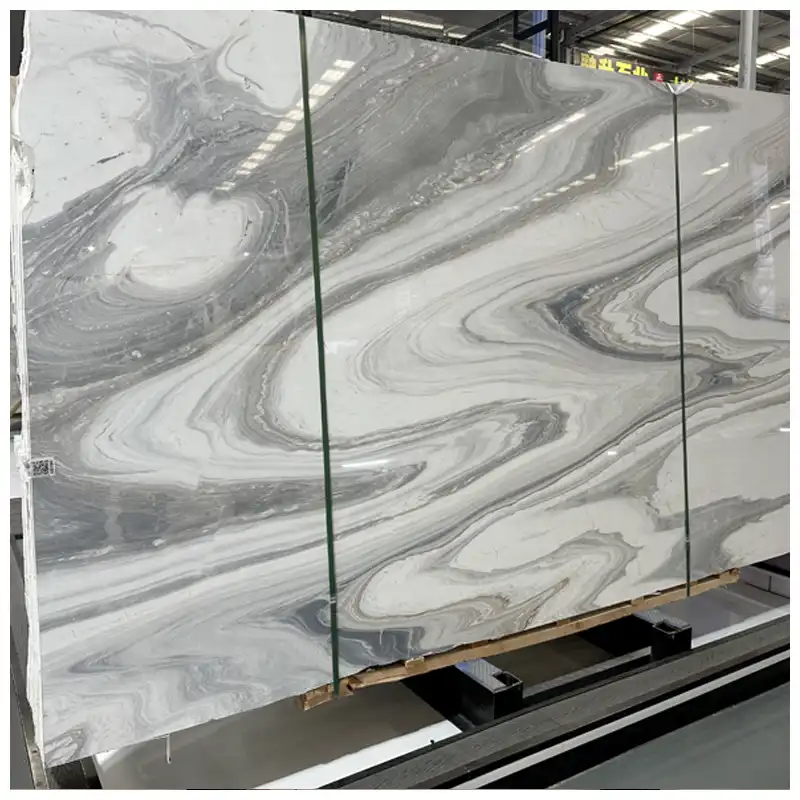
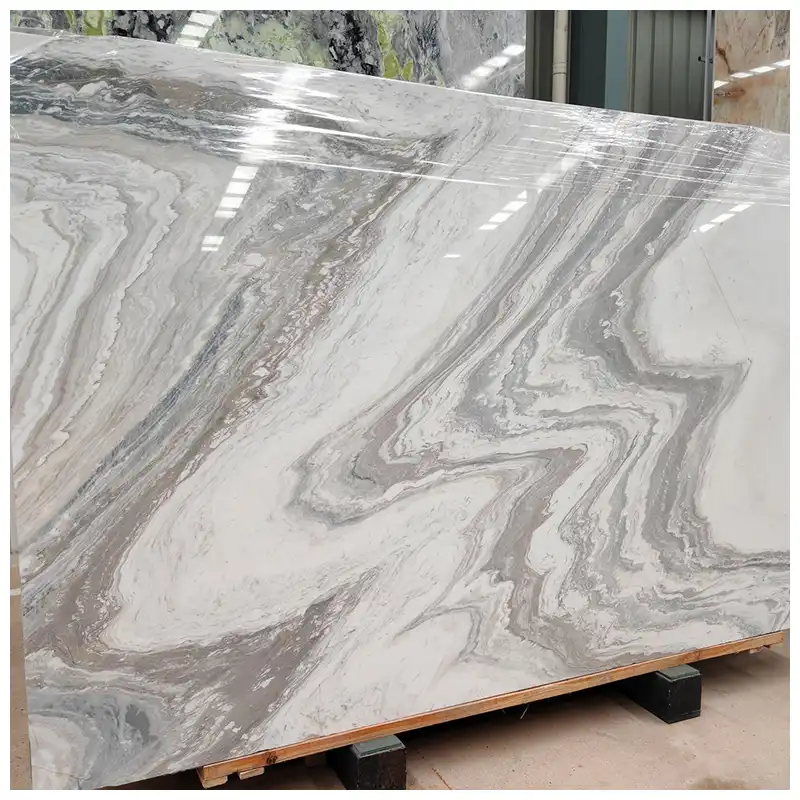
Reference for slab selection, natural wave distribution and cutting orientation.
When sourcing Greek Marble Slabs, the actual slab face is more informative than the material name alone. Calacatta Wave can contain broad pale areas, concentrated grey folds and warmer brown transitions within the same piece.
A buyer planning a large wall should identify the strongest visual zones before cutting. A prominent wave near the center of a slab may be worth preserving as a full panel, while quieter sections can be allocated to shorter pieces, returns or other architectural details.
Sequential production records are important where adjoining panels must follow a specified order. The cutting drawing should identify slab numbers, vein direction, joint positions and any finished edges that remain visible after installation.
Natural fissures, local mineral boundaries and repaired areas must also be evaluated. These features may influence the usable cutting area, particularly around openings and narrow stone strips.
Factory Processing, Dimensional Inspection and Export Packing
A Calacatta Wave marble order should begin with approved slab selection and a clearly identified fabrication schedule. Cutting requirements differ for full wall panels, small floor tiles, vanity tops and fireplace components, even when the same raw material is used.
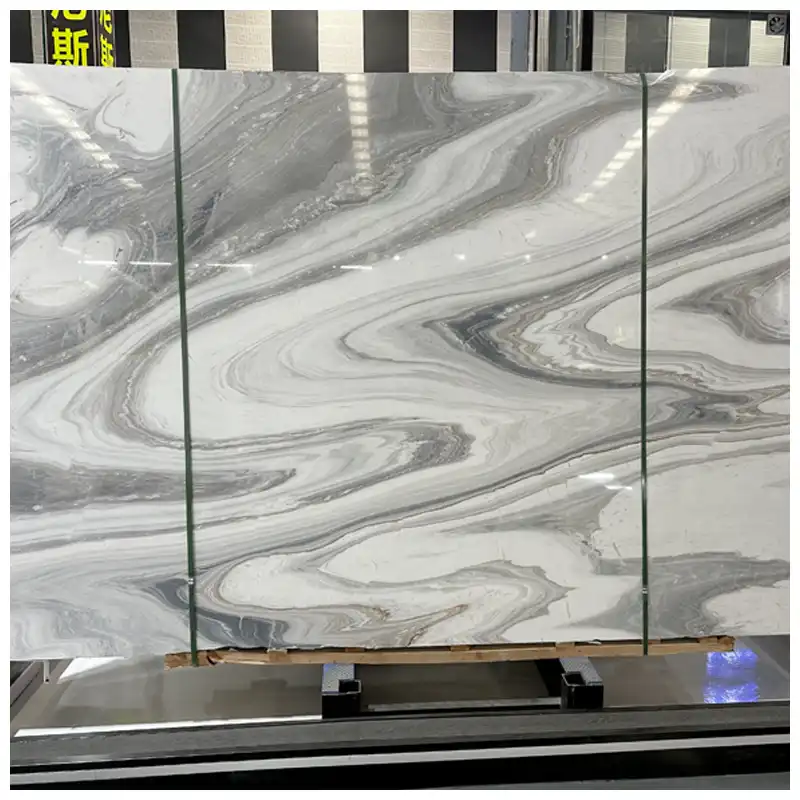
For bookmatched or sequential pieces, the cutting positions should remain linked to the slab photographs. This prevents the final installation sequence from being lost when the material is divided into smaller elements.
Dimensional inspection should cover length, width, finished thickness, edge quality, squareness and any custom openings. Surface inspection should consider gloss consistency, visible repairs, natural fissures and processing damage according to the buyer's approved acceptance criteria.
Large polished marble slabs require handling protection because impact around corners or unsupported edges can cause damage. A reinforced export packing arrangement should protect the finished faces and accommodate the weight and dimensions of the stone.
Where the finished material has been allocated to specific rooms or wall positions, packaging references and panel identification should match the approved shop drawings.
Natural Marble Care: Etching, Staining and Polished Surface Maintenance
Calacatta Wave is natural marble rather than engineered quartz or quartzite. Its carbonate mineral composition makes it sensitive to acidic substances, including vinegar, citrus-based cleaners and certain household products. Acid contact may produce visible etching or localized loss of gloss.
A compatible penetrating sealer can help reduce the risk of certain liquid stains, but sealing does not make marble non-porous, waterproof or immune to acid etching. Appropriate maintenance remains necessary after installation.
Use non-abrasive cleaning tools and a pH-neutral cleaner suitable for natural marble. Remove spills promptly, particularly on countertops and other frequently used horizontal surfaces.
For flooring, prevent abrasive grit from accumulating around entrance areas and furniture. On wet floors or stairs, finish-specific slip performance should be addressed during specification rather than relying on the natural stone appearance alone.
Interior Design Reference: Calacatta Wave Marble Flooring and Feature Walls
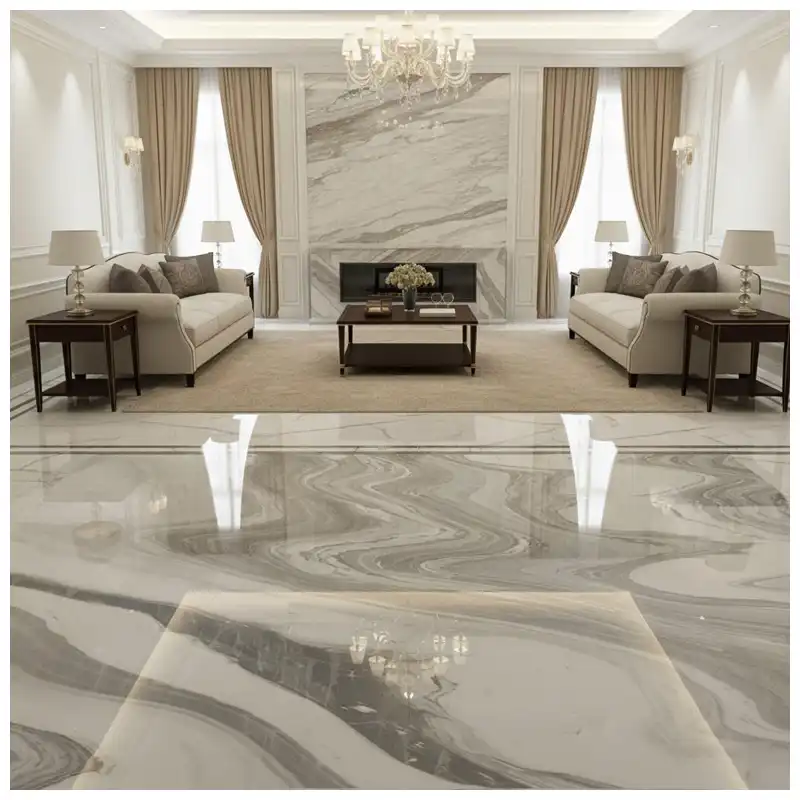
Interior design visualization illustrating grey-wave marble flooring and coordinated wall stone.
The accompanying interior design image illustrates how flowing grey-veined marble can be used in a light-toned residential setting. Broad natural movement across the floor contrasts with quieter surrounding walls, pale furniture and warm architectural accents.
The visual demonstrates one potential composition rather than defining the full range of uses for Calacatta Wave. Its actual appearance will depend on the selected stone batch, cutting direction, panel sizes, lighting and installation layout.
A similar design direction can be considered for villa living rooms, residential entrances and selected hospitality interiors where the stone pattern is intended to remain visible across larger surfaces.
The image is an aesthetic reference and should not be treated as proof of a completed installation, exact bookmatched slab sequence or certified flooring performance.
Calacatta Wave Marble Compared with Decorative Marble Slab Alternatives
When evaluating Greek white marble alongside more colorful decorative stones, the main distinction is the scale, color and organization of the natural veins. Calacatta Wave emphasizes cool-to-warm grey movement rather than isolated high-contrast fragments or a uniform directional stripe.
| Stone | Color and Pattern | Material Selection Priority |
|---|---|---|
| Calacatta Wave Marble | Pale white with broad grey, blue-grey and taupe waves | Wave composition, slab orientation and matching sequence |
| Breccia Pontificia | Irregular multicolor mineral fragments | Fragment distribution and color balance |
| Breccia Oniciata Damascata | Warm red-brown and grey mineral formations | Warm mineral movement and natural fissures |
| Volakas Gold | White with flowing beige-gold and taupe veins | Warm vein distribution and directional continuity |
| Palissandro Bianco | White and grey with layered linear banding | Parallel stripe direction and panel arrangement |
What to Check Before Approving Calacatta Wave Marble Slabs
1. Actual Slab Appearance
Approve the white-grey balance, warmer mineral areas, major wave formations and acceptable natural variation.
2. Layout and Vein Matching
Confirm whether the project requires directional flow, sequential slabs or an actual approved bookmatched pair.
3. Fabrication Requirements
Check usable dimensions, thickness, natural fissures, finished edges, cutouts and installation support.
4. Finish and Application
Approve polished or honed finish, maintenance expectations and any required floor or panel performance testing.
Practical Takeaway: Calacatta Wave Marble is best selected from complete slab photographs rather than small samples. Its flowing wave structure creates value across walls, floors and fabricated surfaces, but a successful project depends on approved slab sequencing, appropriate thickness, finish selection and realistic expectations for natural marble maintenance.
Popular Marble Slabs from KA UNITED

Breccia Pontificia Marble
Italian multicolor breccia marble with irregular mineral fragments for expressive walls and decorative architectural stonework.
View Product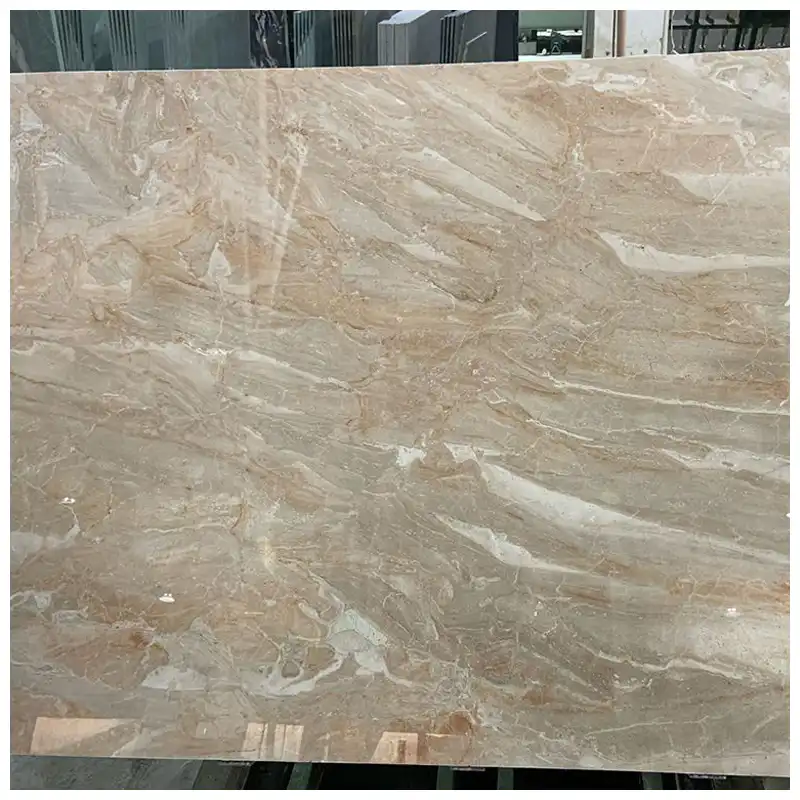
Breccia Oniciata Damascata Marble
Warm reddish-brown and grey breccia formations with contrasting pale veins for decorative interior stone panels.
View Product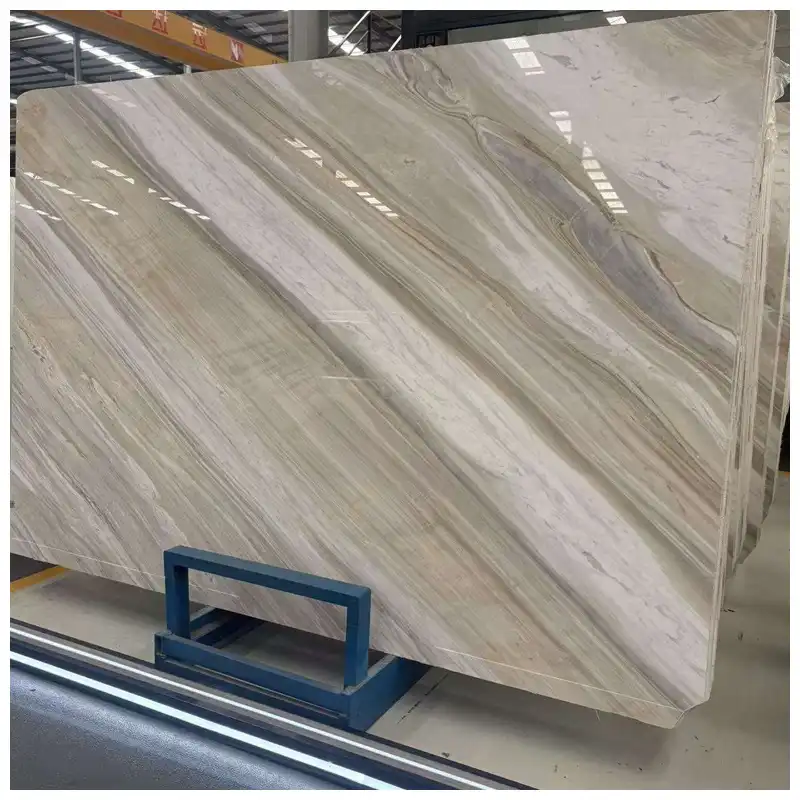
Volakas Gold Marble Slab
Cream-white Greek marble with flowing beige-gold veins for coordinated feature walls, countertops and interior flooring.
View Product
Palissandro Bianco Marble
Italian white marble with directional silver-grey and taupe bands for continuous architectural wall and floor compositions.
View ProductExplore additional natural stone selections in the KA UNITED Marble Slabs Collection.
Frequently Asked Questions About Calacatta Wave Marble
1. Where does Calacatta Wave Marble come from?
Calacatta Wave Marble is supplied as natural Greek marble. It is recognized for its pale white background and broad grey, blue-grey and warm taupe veins. Provenance for a particular shipment should be confirmed through the supplying material documentation.
2. Can Calacatta Wave Marble Slabs be bookmatched?
Yes, bookmatching can be considered when suitable consecutive slabs are available. The actual pair must be inspected and approved before fabrication because the marble's natural wave pattern does not guarantee a symmetrical result from independently selected pieces.
3. What slab sizes and thicknesses are available?
The supplied reference dimensions are 269 × 170 cm and 275 × 172 cm, with nominal thickness options of 10, 18 and 20 mm. Availability and suitability of each size-thickness combination must be confirmed. Thin large-format pieces may require reinforcement or specialized support.
4. Is Calacatta Wave Marble suitable for interior floors?
Calacatta Wave Marble can be considered for interior flooring when the selected thickness, finish, substrate and anticipated traffic conditions are appropriate. Polished marble may become slippery when wet, so wet-floor suitability requires separate testing and specification.
5. Is Calacatta Wave Marble the same material as Volakas Wave Marble?
The names are associated with related Greek white marble sourcing and wave-veined appearance, but trade names alone do not prove identical quarry origin or technical properties. Buyers should verify the actual slab, source and production specifications before treating the names as interchangeable.
6. How should polished Calacatta Wave Marble be maintained?
Clean polished Calacatta Wave Marble with a soft, non-abrasive material and a pH-neutral cleaner suitable for natural marble. Avoid acidic cleaners and promptly remove spills. A compatible sealer may help reduce staining but does not prevent acid etching.
Calacatta Wave Marble Slab Selection for Residential and Commercial Projects
KA UNITED can coordinate Calacatta Wave Marble slab selection and custom fabrication requirements for interior architectural work. The most important purchasing details are the actual stone appearance, finished component dimensions and the intended cutting arrangement.
For a bookmatched feature wall, buyers should provide the elevation dimensions, preferred central pattern, panel joints and opening positions. For flooring, the tile schedule and vein direction need to be coordinated with the room layout and installation requirements.
Before confirming production, approve the actual slab photographs, thickness, finish, natural features, quantity allocation and any required technical tests. This gives both the fabricator and the installing contractor a defined reference for the finished stonework.

Request Calacatta Wave Marble Slabs for Your Architectural Project
KA UNITED supplies Calacatta Wave Marble for full-slab selection, bookmatched wall panels, cut-to-size flooring and custom interior stone fabrication. The supplied reference sizes are 269 × 170 cm and 275 × 172 cm, with material availability confirmed against the current production selection.
For a quotation, share your preferred slab size, thickness, surface finish, project quantity and delivery destination. If the design requires bookmatching, custom openings or coordinated flooring patterns, include drawings and vein-layout requirements for review.
Hot Tags: calacatta wave marble, China calacatta wave marble suppliers, factory, black and white marble, Blue Lumen Marble, Calacatta Polished Marble, classic tile marble, eveningstar marble tile, marble herringbone backsplash
You Might Also Like


Send Inquiry
