


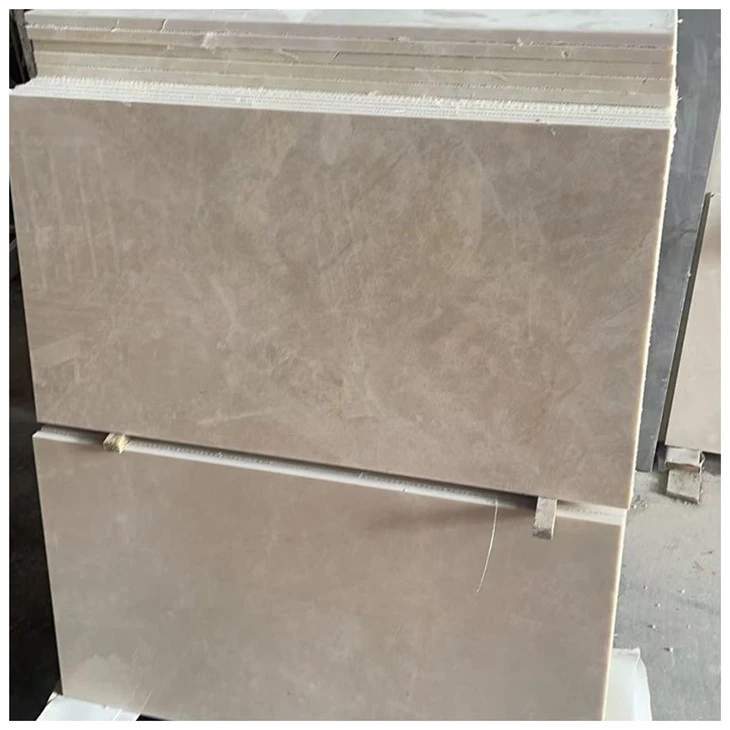

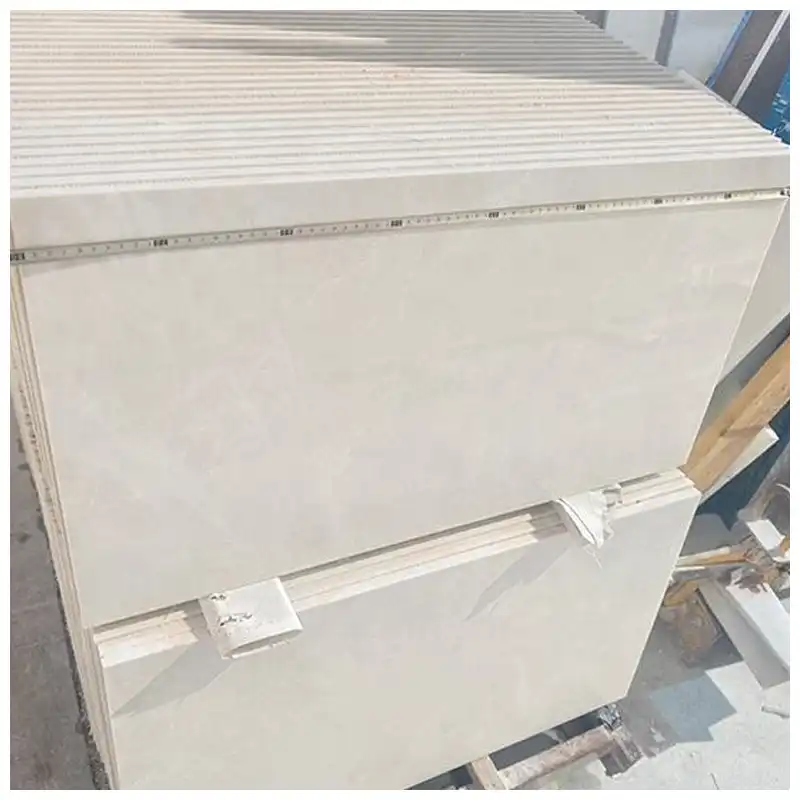
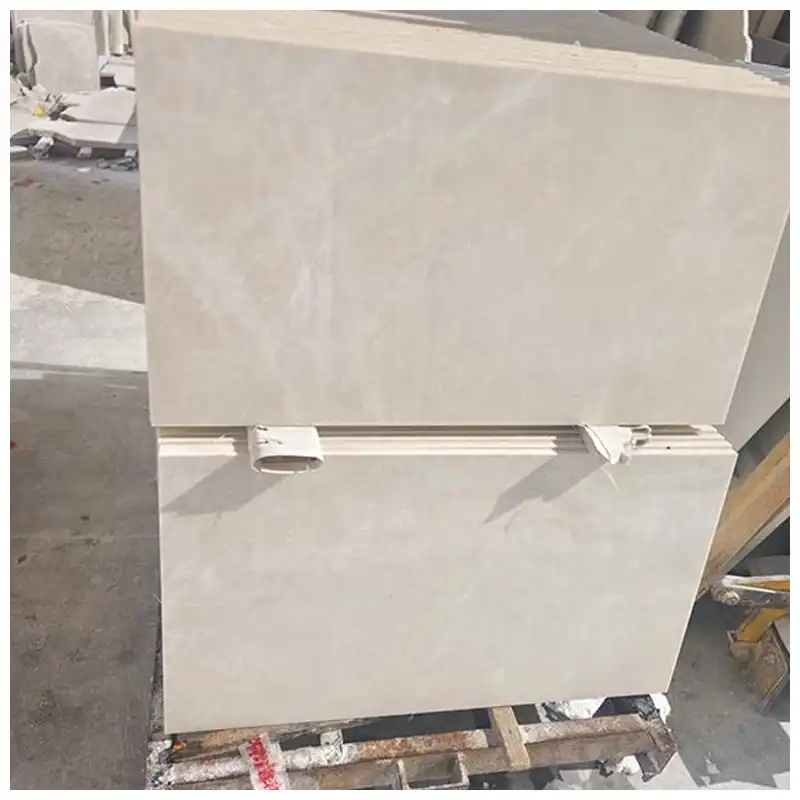
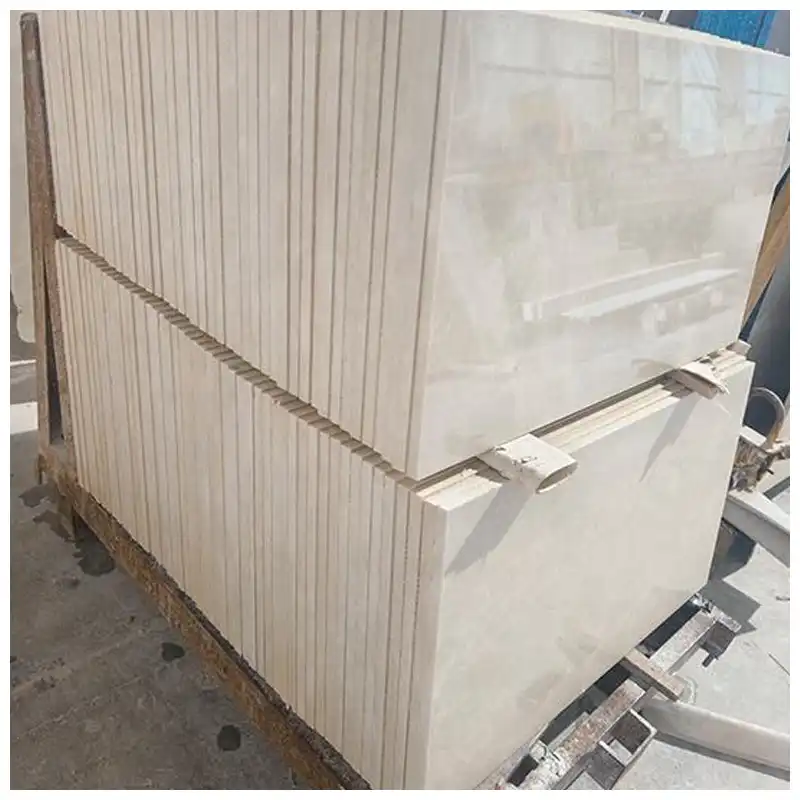
Burdur Beige Marble Tiles
Premium Burdur Beige Marble Tiles quarried in Turkey. Featuring soft warm beige background with subtle light veining, this elegant natural stone brings timeless luxury to villa and mansion projects. Available in polished, honed finishes, custom sizes are supported. Ideal for indoor flooring, feature walls, hallway, living room and bathroom cladding. Durable, easy‑maintenance marble material, widely selected by architects, contractors and interior designers for high‑end residential decoration.
Luxury Marble: 1. Turkey Burdur Beige Marble Floor Tiles, Natural Marble Wall Covering for High‑end House Renovation
Natural Marble: Burdur Beige Marble, Bai Yulan Beige Marble
Marble Factory: KA UNITED
Marble Slab Size: 2400upx600, 2400upx800, 2500upx1200up, etc.
Marble Tiles: 24''x24'', 12''x24'', 12''x12'', 18''x18''
Thickness: 20,30mm
Surface: Polished, Honed, Brushed
MOQ: 300 SQM
Application: KA UNITED Supplies A full Range of natural Black Marbles For Floor, Wall Tiles, Kitchen and Bathroom Countertops, and other Commercial Projects
Product Introduction
Quick Summary
Burdur Beige Marble Tiles are Turkish natural-marble floor and wall pieces with a warm cream-to-light-beige field, restrained tonal movement and relatively quiet veining that works especially well across large residential interiors. KA UNITED supplies 300×300, 400×400, 400×800, 300×600, 600×600 and 600×1200mm references in 12, 20 and 30mm thicknesses, with polished, honed and brushed finish options. For villa and whole-house stone packages, the key decisions are not only tile size: finish zoning, beige-tone range, dry-lay sorting, thickness by application, floor setting-out, wall support, stair coordination and original-lot spare material should be settled before cutting begins.
|
|
Turkish Cream-Beige Marble for Coordinated Residential Floors, Walls and Stairs Burdur Beige Marble Tiles for Warm, Low-Contrast Interior Stone SchemesBurdur Beige is useful when the architect wants natural stone without making every floor or wall a visual focal point. Its cream and beige surface is quieter than heavily veined white marble and far less dominant than red, blue or dark decorative stones, so timber, bronze, plaster, cabinetry and furniture can carry more of the interior character. That apparent simplicity still requires control. A large villa floor can reveal differences in cream tone, clouding and faint vein density that are difficult to judge from one small sample. Batch selection and installation sequencing matter more as the covered area increases. View Marble Tile Collection |

What Gives Burdur Beige Its Warm, Quiet Interior Character?
The material is sourced from Turkey according to the supplied product specification. Its appearance sits within the cream-beige family rather than a strong yellow or dark brown beige. In well-selected lots, the overall surface can read as light vanilla, pale sand or warm ivory, interrupted by subtle cloudy movement and fine natural lines.
This restrained pattern is useful over broad floors because it does not require every tile to align into a dramatic book-matched composition. The main visual task is maintaining a balanced tone from one zone to another.
Some buyers also encounter sourcing phrases such as Burdur Beige Light Marble Tiles, Bai Yulan Beige Marble Tiles and Burdur Cream Marble Tiles. Those names should not replace physical approval of the current stone lot. For a project order, actual factory photos and the accepted cream-beige range are more useful than relying on a trade name alone.
This matters particularly in whole-house projects. A staircase, corridor and living-room floor can all be technically the same material yet look disconnected if one zone is visibly warmer or more heavily marked than the others.
Which Burdur Beige Tile Sizes and Thicknesses Are Available?
The supplied size range covers compact modules, common rectangular floor pieces and larger-format panels. Final format should follow room scale, joint layout, handling conditions and substrate rather than simply selecting the largest available tile.
| Specification | Supplied Reference | Project Decision |
|---|---|---|
| Compact Square | 300 × 300mm | Useful for smaller rooms, borders, bathroom areas and layouts requiring more frequent joints. |
| Medium Square | 400 × 400mm | Balanced module for residential flooring, corridors and medium-scale spaces. |
| Medium Rectangle | 300 × 600mm | Works with aligned or staggered layouts; installation direction should follow the room axis. |
| Elongated Rectangle | 400 × 800mm | Useful for longer circulation areas and contemporary floor grids with fewer joints. |
| Large Square | 600 × 600mm | Common choice for living rooms, halls and larger residential floors. |
| Large Rectangle | 600 × 1200mm | Reduces joint frequency but requires suitable substrate flatness, handling and installation planning. |
| Thickness Options | 12 / 20 / 30mm | Assign thickness by tile format, floor or wall location, support, fabrication and project loading conditions. |
| Surface Finishes | Polished / Honed / Brushed | Finish selection should follow appearance, use area, maintenance and required performance criteria. |
Polished, Honed or Brushed: Which Finish Changes Burdur Beige the Least?
|
Compare the three finishes on representative pieces from the same Burdur Beige lot whenever possible. |
Polishing gives the cream background more depth and produces stronger reflected light. On a large living-room floor, it can make the beige appear richer and slightly more saturated, particularly under warm interior lighting. A honed finish removes much of that reflection. The same material reads softer and more matte, which can suit contemporary interiors where the floor should remain visually quiet rather than glossy. Brushing introduces a more tactile surface and makes the stone feel less formal. It can work well where the design uses timber, textured plaster or other natural finishes rather than polished decorative materials. None of these finish names should be used as a substitute for required floor-performance testing. A brushed or honed marble is not automatically slip-proof, especially where water, soap or other contaminants may be present. |

Why Beige-Tone Sorting Matters More Than Dramatic Vein Matching
With heavily veined marble, buyers often focus on vein direction. Burdur Beige creates a different problem: individual pieces may look almost identical in a small stack, yet slight cream, ivory or warmer beige differences can become obvious once hundreds of tiles are installed together.
Factory sorting should therefore look at the whole field. Pieces that are visibly darker or warmer can be distributed intentionally instead of being packed randomly and discovered after installation.
This is particularly useful for Burdur Beige Marble Floor Tiles in open-plan villas where living, dining and circulation areas meet without strong architectural breaks. A sudden tone change can look like a different material lot even when every tile is technically acceptable.
Dry-lay does not need to become a complex book-match exercise. The goal is simpler: avoid concentrated patches, distribute subtle variation naturally and confirm the overall beige tone before crates are closed.
For multiple floors of one residence or apartment project, zone codes can be assigned after sorting so each installation area receives the intended tile group.
How Should 600×1200mm Burdur Beige Tiles Be Planned Differently from Smaller Formats?
Large-format marble reduces the number of grout joints, which can make a cream-beige floor feel calmer and more continuous. The trade-off is that substrate flatness, handling and tile support become less forgiving.
A small 300×300mm piece can follow minor floor irregularities more easily than a 600×1200mm tile. Large pieces need a suitably prepared base so the installer is not forced to correct excessive unevenness by varying the setting-bed thickness from one end of a tile to the other.
The starting point of the grid also matters. On a long corridor or open living space, narrow cuts along one wall can make an otherwise expensive floor look poorly planned. Setting-out drawings should establish centerlines, thresholds and perimeter cuts before installation begins.
Handling should be considered at the factory as well. Larger marble pieces need suitable packaging, lifting and edge protection because their weight and size increase the consequences of an impact at one corner.
A large-format specification is therefore most effective when architectural layout, fabrication tolerance and installation method are treated as one decision rather than three separate trades.
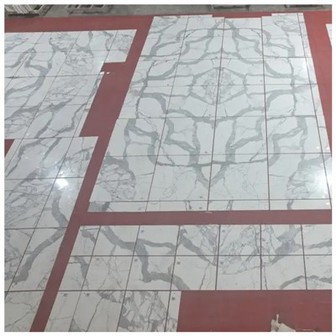
What Should Be Checked Before Burdur Beige Floor Tiles Leave the Factory?Finished length, width, squareness and thickness should be verified against the agreed tile schedule. This is especially important when different formats meet within the same room or when floor tiles connect directly to stairs and skirting. The surface should then be checked under suitable light. Polished material needs inspection for scratches, dull zones and edge damage; honed and brushed material should be judged for texture consistency rather than gloss. Tone sorting should be completed before final packing. Natural variation belongs in the product, but unusually dark, warm or strongly marked pieces should not be concentrated in one installation zone unless that distribution is intentional. Project coding is useful for larger residential packages. The crate label can correspond to the living room, corridor, master bathroom, stair or wall elevation instead of forcing the site team to search through several mixed crates. Where the design includes spare material, it is more useful to allocate those pieces from the same production lot than to assume a visually identical beige will still be available years later. |
Show dimension checking, tone sorting, finish inspection, layout coding and approved project grouping. |

Burdur Beige Wall Cladding Needs a Different Installation Review from Flooring
Wall tiles are not simply floor tiles turned vertically. Piece size, thickness, substrate, installation height and fixing method all affect how the marble should be supported.
For conventional interior wall areas, the adhesive or setting system should be suitable for natural marble and the prepared substrate. Where panels become larger, thicker or elevated, the project may require additional engineered restraint rather than relying on a generic tile fixing approach.
Joint alignment becomes more visible on a pale beige wall because there is relatively little natural pattern to distract from irregular horizontal or vertical lines. Setting-out should therefore coordinate door openings, mirrors, sanitary fixtures and other architectural interruptions.
Backsplashes and smaller accent walls can use the same Burdur Beige material without demanding the same large-format geometry as the floor. Using a smaller module in those areas can reduce awkward cuts around outlets, shelves and fixtures.
For tall lobby or stair-hall walls, final fixing and support should be reviewed from the actual panel dimensions and building conditions rather than assumed from the stone type alone.
How Can One Burdur Beige Lot Be Used Across Floors, Stairs and Skirting?
One reason beige marble works well in large residences is that the same material can connect several architectural elements without creating a different decorative statement in every room.
Floor tiles establish the main field. Stair treads and risers can continue the cream tone vertically, while skirting creates a clean perimeter without introducing another stone. The visual relationship is strongest when these components are allocated from a coordinated material range.
Stair pieces still need their own drawings. Tread depth, riser height, nosing, thickness, underside treatment and support cannot be derived from the floor-tile schedule.
Skirting height and top-edge detail should also be fixed before cutting. A narrow straight skirting produces a different result from a profiled or taller base, even when both use identical Burdur Beige.
Whole-house coordination works best when the factory receives a component schedule rather than one total square-meter quantity with no distinction between floors, stairs, walls and trims.
Where Are Burdur Beige Marble Tiles Most Effective?
The material's strength is its ability to cover a meaningful area without making the entire room about the stone. That makes it especially useful in residential projects where furniture, millwork and lighting need room to develop their own character.
Villa Living FloorsLarge cream-beige fields pair easily with timber, bronze, soft upholstery and warm architectural lighting. |
Entrance and Stair HallsCoordinated floors, treads and wall details can create continuity through the main circulation route. |
Bathroom WallsQuiet beige marble gives fittings, mirrors and cabinetry a neutral natural-stone background without heavy pattern competition. |
Residential Feature ZonesFireplace walls, lift surrounds and kitchen accent surfaces can repeat the main floor material at a smaller scale. |
What Changes When Burdur Beige Is Used in Bathrooms or Other Wet Areas?
Bathroom walls are a straightforward decorative use when the substrate, waterproofing and installation system are appropriate. Floors need a more specific review because finish selection affects more than appearance.
Neither polished, honed nor brushed marble should be assigned a wet-slip claim without the test method and performance requirement used by the project. Water, soap, cleaning products and surface wear all influence real use conditions.
Wet areas also depend on slope and drainage. A textured finish cannot correct a poorly designed shower floor that holds water because the substrate levels were wrong.
Marble is calcite-based, so acidic bathroom cleaners can etch the surface. Sealing can assist with absorption management but does not turn the stone into an acid-proof material.
For these reasons, bathroom specifications should combine finish, waterproofing, drainage, grout, cleaning and maintenance rather than treating the marble tile as the complete wet-area system.
Burdur Beige Marble Tiles vs. Four KA UNITED Marble Tile Alternatives
Burdur Beige is the warmest neutral option in this group. Rosso Levanto makes a much stronger burgundy statement; Camouflage White carries larger grey-green natural movement; White Marble Subway Tiles shift the emphasis toward a smaller repeating module; Gray Emperador moves the palette darker and cooler. The decision therefore starts with the architectural role of the stone-quiet whole-room background, strong color feature, expressive natural pattern, modular wall surface or darker neutral field-before individual finishes and sizes are compared.
| Selection Factor | Burdur Beige Marble | Rosso Levanto Marble | Camouflage White Marble | White Marble Subway Tile | Gray Emperador Marble |
|---|---|---|---|---|---|
| Visual Character | Warm cream-beige field with quiet tonal movement and subtle natural veins. | Deep burgundy marble with strong white mineral branching. | Light marble with larger grey and soft green cloud-like movement. | Light marble expressed through a smaller repeated rectangular module. | Darker grey-brown marble direction for a more grounded interior palette. |
| Primary Design Role | Quiet continuous floor and wall material for whole-house residential schemes. | Statement color floor or feature wall. | Expressive white-marble field where natural movement should remain visible. | Bathroom, backsplash or accent wall using a compact modular grid. | Darker neutral floors and wall surfaces requiring stronger visual weight. |
| Main Layout Control | Keep beige tone balanced across large floor areas and adjacent architectural components. | Distribute dark red areas and dense white veins intentionally. | Control large-pattern placement, dry-lay direction and neighboring tile relationships. | Control grout grid, module repetition and cut pieces at wall edges. | Approve acceptable grey-brown range and natural vein distribution. |
| Best-Fit Interior | Warm villas, mansions, apartment interiors and calm hospitality spaces. | Boutique hospitality and interiors needing a strong burgundy focal surface. | Lobbies, feature floors and walls where the stone pattern can remain visible. | Bathrooms and compact walls where a repeated tile rhythm is desirable. | Interiors using charcoal, dark timber or stronger neutral architectural palettes. |
| Buyer Approval Priority | Approve beige-tone range, finish zoning, format and project dry-lay distribution. | Approve burgundy saturation and white-vein density. | Approve large-pattern allocation and color consistency between pieces. | Approve tile module, grout proportion and wall-setting pattern. | Approve final grey-brown tone and finish before project cutting. |
Production-Release Checks for a Whole-House Burdur Beige Marble Package
A residential stone package becomes easier to manage when the factory receives the room schedule, tile formats and finish map before cutting. That prevents the same beige marble from being produced as several unrelated orders with different visual ranges.
- Confirm quantities for 300×300, 400×400, 300×600, 400×800, 600×600, 600×1200mm and any custom dimensions.
- Assign 12, 20 or 30mm thickness by floor, wall, stair, skirting and special component.
- Approve the cream-beige color range from current production material before full cutting.
- Identify polished, honed and brushed areas clearly on the finish schedule.
- Issue floor setting-out drawings for large rooms, corridors, thresholds and transitions.
- Define joint direction and tile orientation for 300×600, 400×800 and 600×1200mm rectangular formats.
- Dry-lay representative areas where tonal consistency is important.
- Coordinate stair treads, risers and skirting with the main floor material allocation.
- Review wall fixing separately for larger, thicker or elevated marble pieces.
- Establish project-specific wet-area requirements before assigning bathroom floor finishes.
- Code crates by floor, room or installation zone for larger residential projects.
- Reserve agreed spare pieces from the original lot when future replacement matching is important.
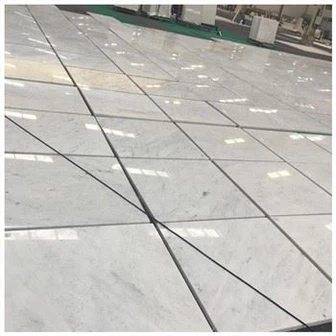
Factory QC for Tile Calibration, Beige-Tone Range and Export PackingDimension checking should cover finished length, width, diagonal consistency and thickness. Mixing poorly calibrated pieces becomes especially obvious on large polished floors because reflected light exaggerates lippage between adjacent tiles. The accepted beige range should then be reviewed across more than a few pieces. Factory sorting is intended to create a controlled installation field, not to remove every trace of natural variation. Surface inspection depends on the finish. Polished tiles should be checked for scratches, edge chips and inconsistent gloss; honed and brushed pieces need even texture and a consistent visual treatment across the production lot. Where several formats belong to one room, representative pieces should be viewed together. A 600×1200mm floor tile and a 100mm-high skirting strip can appear different if they come from noticeably different beige groups. Export wooden crates should restrain the tiles so polished faces and corners cannot move against each other. Crate labels should remain readable and correspond to the installation-zone schedule supplied with the order. |
Show size calibration, finish inspection, beige-tone sorting, room coding and protected wooden-crate packing. |

Care and Sealing Guidance for Burdur Beige Marble Floors and Walls
Routine cleaning should use a pH-neutral product intended for natural marble. Acidic cleaners can etch calcite-based stone and reduce the gloss of a polished surface.
Floor maintenance should include regular removal of sand and abrasive grit, especially at entrances. Repeated foot traffic over loose particles can gradually dull a polished finish even when the marble itself remains structurally sound.
A compatible penetrating sealer may be considered according to the selected finish, installation and project requirements. Sealing can reduce absorption; it does not make the marble completely stain-proof, waterproof or acid-proof.
Spills should be removed promptly rather than left to dry on the surface. Beige stone can visually hide light residue, but that is not a reason to delay cleaning.
Long-term maintenance should follow the actual finish. Restoration of a polished lobby floor and cleaning of a brushed wall are different tasks even when both are made from the same Burdur Beige.
How Should Burdur Beige Be Shown in a Finished Residential Project?The best project image should show a meaningful area of the floor or wall. A close-up proves the marble color, but it does not demonstrate whether tone sorting, tile proportion and room setting-out were handled well. A wide living-room or entrance-hall image can show how Burdur Beige works with timber cabinetry, cream upholstery, dark bronze details and warm lighting without making the floor compete with the furniture. Stair projects should include an image showing the relationship between tread, riser, landing and skirting. That is more useful to architects than photographing one isolated stair piece. Where polished and honed finishes are used in different zones, project photography under similar lighting can also show why the finish was changed instead of treating each area as a separate product. |
Use a completed villa, mansion, apartment or residential lobby showing the full Burdur Beige installation context. |

Recommended Marble Tiles from KA UNITED
Compare four alternative marble tile directions when the project needs stronger color, pattern or a different module.
Rosso Levanto Marble TilesBurgundy marble with white veining for statement floors, walls and hospitality interiors. |
Camouflage White Marble TilesWhite-grey marble with clouded natural movement for large-format floors and feature walls. |
White Marble Subway TilesCompact white marble modules for bathroom walls, backsplashes and repeated tile patterns. |
Gray Emperador MarbleDeeper grey-brown marble direction for floors, walls and darker neutral interiors. |


FAQ About Burdur Beige Marble Tiles
1. What sizes are available for Burdur Beige Marble Tiles?
The supplied references are 300×300, 400×400, 400×800, 300×600, 600×600 and 600×1200mm. Thickness options are 12, 20 and 30mm. Final tile format and thickness should be selected according to floor or wall use, substrate, support, handling and the architectural setting-out drawing.
2. Where does Burdur Beige Marble come from?
The supplied product specification identifies Burdur Beige as natural marble sourced from Turkey. For project purchasing, the current material lot, finish, dimensions and accepted cream-beige range should still be confirmed before production because natural marble varies between blocks and batches.
3. What is the difference between polished, honed and brushed Burdur Beige?
Polished Burdur Beige has stronger reflection and usually shows greater color depth. Honed material has a smoother matte appearance, while brushed material introduces more surface texture. Finish selection should follow the intended design, maintenance and project performance requirements rather than appearance alone.
4. Will every Burdur Beige tile have exactly the same cream color?
No. Natural marble varies in cream, beige and ivory tone, subtle clouding, vein density and other mineral features. Large residential projects should approve an acceptable visual range and use factory sorting or representative dry-lay review where consistent distribution is important.
5. Can Burdur Beige Marble be used for bathroom floors?
It can be specified for suitable interior bathroom applications, but wet-floor suitability depends on the selected finish, required slip-performance criteria, substrate, waterproofing, slope, drainage and installation system. Polished, honed or brushed appearance alone does not establish a specific wet-slip result.
6. Can Burdur Beige be fabricated as stair treads and skirting?
Yes. Cut-to-size stair, skirting and other architectural components can be developed when the project drawings are supplied. Tread depth, riser height, nosing, thickness, edge details and skirting dimensions should be specified separately from the standard floor-tile schedule.
7. Does Burdur Beige Marble need sealing?
A compatible penetrating sealer may be considered according to the selected marble, finish and installation. Sealing can help reduce absorption, but it does not make natural marble completely stain-proof, waterproof, acid-proof or maintenance-free.
8. What should be approved before a large Burdur Beige tile order enters production?
Approve the room-by-room tile schedule, dimensions, thickness by application, polished, honed or brushed finish, accepted cream-beige range, floor setting-out, rectangular tile direction, dry-lay requirements, stair and skirting details, wet-area criteria, project coding, packing sequence and spare-material quantity before production release.
Burdur Beige Marble Is Most Successful When One Controlled Cream Tone Connects the Whole Interior
Burdur Beige does not depend on dramatic veining to make a project feel carefully specified. Its advantage is almost the opposite: a restrained cream field can move from living-room floors into corridors, stairs, bathroom walls and smaller architectural details without forcing each area into a new material palette. The challenge is keeping that quietness intentional. Selecting one suitable production range, assigning finishes by use area and coding the installation zones before packing produces a more coherent result than treating every room as a separate beige-marble order.

Order Burdur Beige Marble Tile Sizes, Finish Zones and Whole-House Stone Schedule for Production
Provide the required floor and wall dimensions, thickness by application, polished, honed or brushed areas, approved beige range, room setting-out drawings, stair and skirting details, quantity by zone, packing sequence and spare-material requirement before cutting begins.
Request Project Quote
Hot Tags: burdur beige marble tiles, China burdur beige marble tiles suppliers, factory
You Might Also Like



Send Inquiry
