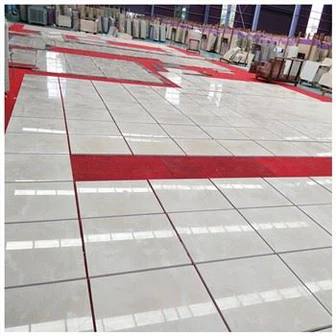
Mistakes And Precautions in The Use Of Quartz Stone!
The surface of quartz stone is the same as the inside. The stone is solid and incomparable with other stones. As a new type of green and pollution-free building decoration stone, quartz stone has been more and more used in the decoration industry, and there is a trend to further replace natural stone, artificial stone and ceramic tile. In places with high environmental protection requirements for building materials, artificial quartz stone is the preferred stone, and the price of quartz stone is slightly higher than that of other stones. This does not hinder the application and development of quartz stone, but the scope of application is more and more extensive. However, many people use quartz in their daily life.
1. Put high-temperature items directly or for a long time on the surface
Hot pots, hot pots, or other utensils with excessively high temperature that are taken directly from the stove or oven or microwave oven may cause damage to the quartz stone. Please use a pot support with rubber feet or put a heat insulation pad on the table.
2. Directly use the table as a cutting board
When cutting vegetables, please put a cutting board on it. Although the quartz stone is solid and durable, it will leave scratches on the crystallization of the stone surface for a long time.
3. If it is not cleaned in time after use, it is considered that the water will not affect the board surface
Because the water contains a lot of bleach and scale, the color of the table will change and affect the beauty after staying for a long time.
4. It is considered that quartzite has high density, acid and alkali resistance and chemical resistance
Quartz stone has long-lasting damage resistance, but it still needs to avoid contact with strong chemicals, such as paint remover, metal cleaner and stove cleaner. Do not contact methylene chloride, acetone (nail polish removing agent), strong acid cleaning agent. In case of accidental contact with the above items, immediately wash the quartz surface with a large amount of soapy water. If you have nail polish, use a acetone free detergent (e.g.: tin and alcohol) and then rinse with water.
Be careful not to let heavy or sharp objects directly impact the surface: do not rinse with cold water and scald with boiling water immediately.