Sintered Stone Vanity Top Photos, Samples, And Drawings: What I Check Before A Hotel Bathroom Cabinet Order
Sintered Stone Vanity Top Photos, Samples, and Drawings: What I Check Before a Hotel Bathroom Cabinet Order
My brother-in-law once called me at 10:40 at night because his new vanity drawers would not open after the stone top went in. The installer had done a clean job. The cabinet maker had done a clean job. The sintered stone vanity top looked fine too. The problem was the sink lip, the drawer box, and a faucet hole that sat just a little too far back. Don't ask me how I know. I had warned him to put the cabinet drawing and top drawing on the same sheet, and he said, "Leo, it is only a small bathroom." Famous last words.

That tiny bathroom taught him more than any showroom visit. You wash your face, water runs behind the faucet, your knuckles hit the edge, and the drawer catches the trap pipe. Then you start noticing the money you tried to save. This is where you don't cheap out.
I am writing this from the practical side of the counter. KA UNITED deals with quartz bathroom vanity tops, cabinet sizes, sink openings, edge details, and repeated hotel rooms, so I treat every vanity like a small package. I connect this topic to Complete Guide to Bathroom Vanity Top and Cabinet Packages for Hotels and Residences because a top without a cabinet plan is only half a decision.
Why a sintered stone vanity top needs photos before drawings
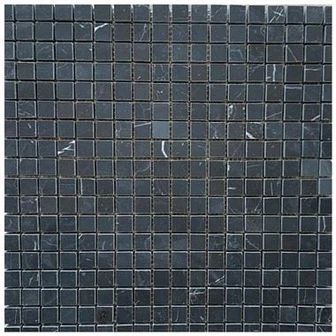
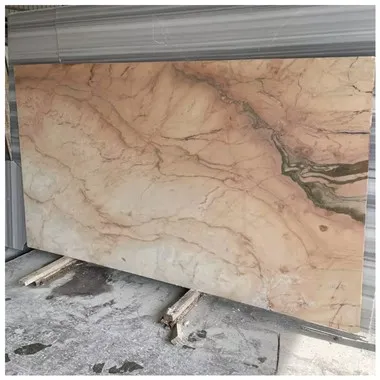
A showroom chip tells you almost nothing about scale. It tells you color under one light, on one small square, with no sink, no mirror, and no towel mess. In fact, I want a full surface photo before I even trust the sample. A gray vein that looks gentle on a chip can run straight through the sink center. A soft beige can turn cold beside a blue-gray cabinet. Thank goodness we can catch most of that with the right photos.
Here is what I'd do. I ask for one straight-on full photo, one angled photo that catches reflection, and one close photo with a coin or tape measure near the surface. I also ask for the sample next to the cabinet finish. Not on a white desk. Not beside a random catalog. Beside the actual cabinet color or the closest approved finish.
In a hotel bathroom, guests do not admire the material like a showroom visitor. They set a toothbrush on it. They spill toner. They drop a razor cap. They splash water behind the faucet and leave the room. That is the real test.
What I want to see in the photo set
| Photo | What I check | Why it saves trouble |
|---|---|---|
| Full sheet view | Overall tone and vein direction | Avoids a small-sample surprise in long rooms |
| Close finish view | Texture, glare, fingerprint behavior | Helps match cleaning expectations |
| Cabinet color pairing | Warm or cool contrast | Keeps the room from feeling mismatched |
| Mock-up corner | Edge, backsplash, and side return | Catches awkward details early |
Cabinet drawings tell a different story
Photos show taste. Drawings show whether the room will behave. I want cabinet width, finished depth, drawer position, plumbing space, wall return, backsplash height, sink model, faucet hole count, and exposed sides on one page. If a hotel has 120 rooms, I also want room type codes. A 900 mm vanity and a 920 mm vanity can look the same in an email until the wrong crate goes to the wrong floor.
Don't ask me how I know. A neighbor once ordered a nice vanity top for a powder room and forgot that the wall was not square. The back edge touched on the left and opened a dark little gap on the right. You do not notice that in a catalog. You notice it when toothpaste foam sits in the corner for three weeks.
The same problem gets bigger in hotel work. One room has a pipe offset. One room has a thicker wall tile. One room has a mirror cabinet that swings lower than expected. Here's what I'd do: mark every exception on the drawing before production. Do not let exceptions hide in a message thread.
The details that decide comfort
Your hand notices a bad edge before your eye does. A thick square edge can look clean, but if the room is narrow, people brush it every morning. A tiny bevel feels kinder. A low backsplash looks modern until water creeps behind it. A vessel sink looks dramatic until housekeeping has to clean around the base every day. I am not against good-looking bathrooms. I just like bathrooms that forgive real people.
This is where you don't cheap out. Spend the extra hour on the drawing. Ask for the finished top size, not only the cabinet size. Ask where the faucet sits from the back wall. Ask if the side splash is needed. Ask if the cabinet drawer clears the trap. Pain in the neck? Yes. Cheaper than remaking tops? Also yes.
How I pair sintered stone with bathroom cabinets
This surface behaves differently beside different cabinets. Put a cool white surface over a warm oak cabinet and it may look fresh. Put the same surface over a blue-gray cabinet and it can go cold. In a north-facing bathroom, it can feel even colder. Morning light matters. So does the mirror light. So does the towel color, believe it or not.
I like to put the sample flat, then stand it upright. Flat shows how you see the counter. Upright shows how the backsplash reads. If the project also uses hotel bathroom cabinet finishes, I want that finish in the same photo. If the bathroom uses marble vanity tops in suites and sintered material in standard rooms, I want the design team to decide whether the two room types feel related or completely different.

The title Complete Guide to Bathroom Vanity Top and Cabinet Packages for Hotels and Residences matters here because the finish is not separate from the cabinet. It is part of the package. I also keep Stone Vanity Top Mistakes to Avoid in Project Orders close when a customer asks why I am so stubborn about photos.
Three small scenes I care about
First scene: you wake up early and lean on the counter with one hand while brushing your teeth. If the edge feels sharp, you remember it every day. Small thing. Big annoyance.
Second scene: a child splashes water behind the faucet. If the backsplash is too low or the silicone line is messy, you smell the problem before you see it. I wish I were joking.
Third scene: housekeeping wipes twenty rooms before lunch. If the surface shows every streak under a 4000K mirror light, the hotel manager will hear about it. A matte finish can help, but only if the sample tells the truth.
Sintered stone vanity top approval checklist
I keep the checklist simple because long checklists get ignored. The point is not paperwork. The point is to make sure the cabinet maker, stone fabricator, installer, and project manager are seeing the same bathroom.
- Ask for full sheet photos before approving the color.
- Place the sample beside the actual cabinet finish.
- Put sink, faucet, backsplash, and edge on one drawing.
- Mark repeated room types and special room exceptions.
- Check whether the finish shows streaks under bathroom lighting.
- Confirm crate labels by room type, not only by size.
- Keep one approved photo set with the final drawing package.
Here's what I'd do for a hotel job: make one approval board for the standard room and one for the suite. Each board gets the top photo, cabinet finish, handle, sink, faucet, backsplash height, and edge detail. Then nobody has to guess from a chain of old emails.
What I put in my approval folder
I keep a plain folder for every serious bathroom package. Nothing fancy. In that folder I want the cabinet elevation, the top drawing, the sink model, the faucet drilling note, the backsplash height, the finish photo, and the room type list. If a project has three room types, I do not mix them. Standard king room, twin room, and accessible room each get their own page.
Here's what I'd do if I were helping a family hotel owner. I would print the vanity drawing and tape the sample photo beside it. Then I would mark the daily-use places with a pen: where the hand rests, where the water sits, where the cleaning cloth stops, and where the drawer opens. It sounds old-fashioned, but it works. You see trouble faster when the drawing looks like a room.
One small detail I never ignore is the distance from the faucet hole to the backsplash. If that space is too tight, nobody can clean behind the faucet without fighting the wall. If it is too wide, water sits in the back corner and the bathroom starts looking tired. That little strip of counter is not glamorous. It is where complaints grow.
Another detail is the side return. In a display photo, one open side may look clean. In a real bathroom, that side may face a wet towel, a suitcase, or a cleaning cart. I like a side splash when the wall needs protection, and I skip it when the room needs a cleaner line. The point is not one rule. The point is choosing with your eyes open.
A small mock-up saves a big argument
For repeated rooms, I like one mock-up corner. It can be simple: a cabinet door sample, a piece of the top, the handle, a sink rim, and a backsplash strip. Put them together under bathroom-like light. Then step back. If the cabinet suddenly looks too yellow, fix it now. If the surface looks too cold, fix it now. If the edge feels sharp under your wrist, fix it now.
Don't ask me how I know, but people become very honest after they touch a bad edge. They may approve a rendering in two minutes. They will complain about a sharp counter for three years. This is where you don't cheap out, even on a small sample corner.
The mock-up also helps the maintenance team. Give them the surface and ask how they would clean it. They will notice things designers miss. They look at corners, seams, faucet bases, and splash zones. Thank goodness for practical people. They save projects from pretty mistakes.
Understanding sintered stone vanity top decisions in today's market
How does the trend connect to real bathrooms?
Warm cabinets and cleaner vanity shapes are popular now, but the trend only works when the details behave. A flat-front cabinet looks tidy until the top overhang feels wrong. A thin surface looks modern until the sink cutout exposes a weak detail. Therefore, I use trends as a starting point, not as permission to skip drawings.
Why do samples still mislead people?
Samples are too small. They hide pattern scale and edge behavior. They also sit under friendly showroom light. At home or in a hotel room, the surface meets steam, toothpaste, shaving foam, cosmetics, and fast cleaning. That is a different life.
What option would I choose for repeated hotel rooms?
If the owner wants consistent color, lower fuss, and a clean cabinet line, I would test this surface with a simple edge and a practical backsplash. I would still ask for the full photo set. Don't ask me how I know.
What is the main consideration before ordering?
The main consideration is coordination. The top, cabinet, sink, faucet, and wall must be approved together. This is where you don't cheap out, because a bathroom package fails in the little places.
FAQ
1. What photos matter most for this vanity surface?
The most useful photos show the full slab or sheet, a close view of the finish, the sink cutout area, the edge profile, and the cabinet color beside the surface. I also ask for one photo under warm light and one under cooler light because a bathroom never lives under warehouse lighting alone.
2. Is a sintered stone vanity top better than marble for hotel bathrooms?
It depends on the look and the cleaning plan. This material can make sense when the project needs stain resistance, repeatable color, and a calmer maintenance routine. Marble still has a softer natural depth, but it asks for more care around soap, cosmetics, and hard water.
3. Why do drawings matter before ordering bathroom cabinets and tops?
Drawings keep the cabinet, sink, faucet, backsplash, wall gap, drawer clearance, and top size in one conversation. Without them, a beautiful top can arrive with a sink hole that fights the plumbing or an overhang that blocks a drawer. Do not laugh. I have seen it happen.
4. How many samples do I ask for before a hotel vanity order?
I like one physical sample for touch, one actual sheet or slab photo for scale, and one finished mock-up photo if the job repeats across many rooms. Samples are useful, but they do not tell the whole truth about a long vanity run.
5. What is the easiest way to avoid bathroom vanity regret?
Put the cabinet drawing, top drawing, sink model, faucet position, edge detail, finish sample, and packing label on one approval sheet. That sounds boring, but this is where you do not cheap out. A tidy approval sheet saves expensive arguments later.
Final Conclusion
This material can be a smart bathroom choice, but only when the photos, samples, cabinet drawings, sink layout, and room habits agree with each other. I do not care how nice the sample looks if the drawer hits the plumbing or the backsplash traps water.
My advice is simple. Treat the vanity as a package, not a loose top. Keep Complete Guide to Bathroom Vanity Top and Cabinet Packages for Hotels and Residences in the main planning conversation. Then use Bathroom Cabinet Supplier Guide for Hotel Vanity Top Project Orders when the cabinet details start getting messy. I would also keep Floating Bathroom Vanity With Stone Top: Support, Sink, and Cabinet Details Before Ordering nearby when wall support or sink placement enters the discussion. Here's what I'd do: approve the bathroom the way you will live with it, not the way it looks for five seconds on a sample board.

References
- 10 New Kitchen and Bath Product Trends to Watch in 2026, Mitchell Parker, Houzz, Houzz Magazine
- Houzz 2026 US Home Design Trend Predictions, Editorial Team, KBB, Kitchen and Bath Business
- 2026 Kitchen Trends Report, Research Department, National Kitchen and Bath Association, NKBA Report
- Dimension Stone Design Manual, Technical Committee, Natural Stone Institute, Natural Stone Institute Publication
- Bathroom Planning Guidelines, Research Department, National Kitchen and Bath Association, NKBA Planning Guidance
- Tile Council of North America Handbook, Handbook Committee, Tile Council of North America, TCNA Handbook
- Creating Helpful, Reliable, People-First Content, Search Central Team, Google, Google Search Central
- Article Structured Data Guidelines, Search Central Team, Google, Google Search Central