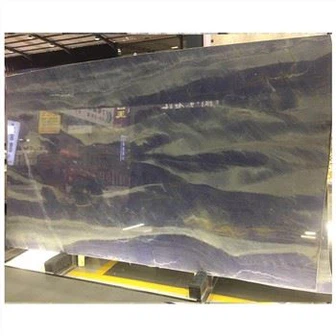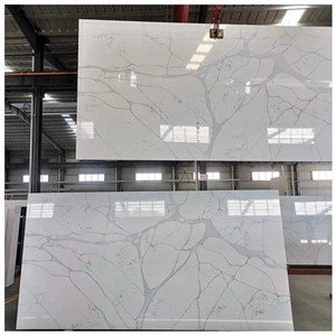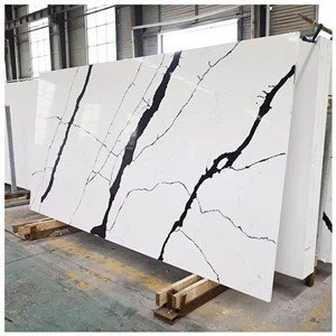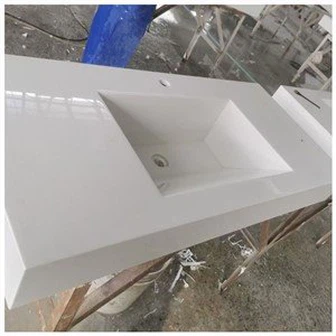
Which is better, marble or rock slab? What's the difference between them?
If you have spent any time shopping for countertops, floors, or feature walls, you have almost certainly stood in front of two samples that looked nearly identical and asked the same question I hear from clients every week: which is better, marble or rock slab? The two materials can share almost the same veining, the same soft gray-and-white tones, and the same ability to lift a room's grade. Underneath the surface, though, they are completely different substances, and they will perform differently in your home for years after the installers leave.
I want to walk you through this the way I would for a customer sitting across from me, without the sales talk. I will cover what each material actually is, where they differ on measurable performance, how much each one tends to cost, where each one earns its keep, and how to avoid the mistakes people make when they pick the wrong one for the wrong room.
First, Understand What Each Material Really Is
Before we can compare the two fairly, we have to clear up a common confusion. Many people assume rock slab is just a fancy name for porcelain tile or ceramic board. It is not. That misunderstanding leads a lot of shoppers to the wrong conclusion before the conversation even starts.
What Marble Is
Marble is natural stone, quarried from the earth in blocks, cut into slabs, and polished. It is a metamorphic rock formed when limestone is subjected to heat and pressure over long stretches of time. That process is what gives marble its tight, fine grain and its soft, flowing veining. Every slab is genuinely one of a kind; no two pieces from the same quarry, or even the same block, will match exactly.
The original article that sparked this discussion makes a point worth repeating: natural marble has a dense texture but low hardness, which makes it easy to cut, carve, grind, and polish. That softness is a double-edged tool. It is why sculptors have loved marble for centuries, and it is also why a marble countertop will show every scratch, stain, and acid etch if you are not careful with it.
What Rock Slab Is
Rock slab, which the industry also calls sintered stone, is an engineered surface. It is made from natural raw materials, mostly minerals, clays, and feldspar, that are ground fine, pressed under enormous force, and fired at very high temperature. The result is a dense, compact slab that can be printed with a lifelike marble pattern on its surface.
The key idea from the source text is that rock slab borrows marble's appearance while sidestepping marble's weaknesses. It aims for the look, then adds strength, high hardness, and strong stain resistance that natural marble simply cannot match. It can also be fabricated further after it leaves the factory, which gives fabricators more freedom than they have with ordinary ceramic tile.
You can learn more about the real stone side of this comparison on our marble page, and about the engineered option on our sintered stone page.
The Core Differences, Side by Side
Talk is cheap, so let me put the two materials on a table and compare the numbers that actually matter when you live with the surface every day. This is the same table I use when a customer asks me to just give them the short version.
| Property | Natural Marble | Rock Slab (Sintered Stone) |
|---|---|---|
| Origin | Quarried natural stone | Engineered, pressed and fired |
| Mohs surface hardness | About 3 to 5 | About 6 to 7 |
| Water absorption | Low, roughly 0.2% to 0.5% | Near zero, usually under 0.05% |
| Compressive strength | Up to 300 MPa by rock layer | Higher, roughly 500 to 800 MPa |
| Stain resistance | Weak; liquids penetrate easily | Strong; surface is highly resistant |
| Acid and etch resistance | Poor; vinegar and lemon etch it | Excellent; acids do not etch it |
| Heat resistance | Moderate; sudden heat can shock it | High; tolerates hot pans well |
| Scratch resistance | Moderate; softer surface | High; harder surface |
| Appearance | Unique, one-of-a-kind veining | Consistent, printed marble look |
| Typical price | Higher | Lower than natural marble |
| Lifespan | About 40 to 100 years | Long, though younger as a category |
Do not get lost in the exact figures. Mohs hardness, water absorption, and compressive strength are all real, measurable values, but the numbers only matter because they translate into day-to-day behavior. A harder, less porous surface is easier to clean, harder to stain, and harder to scratch. A softer, more porous surface is more beautiful to some eyes but asks more of you in return. The next few sections explain what those numbers actually feel like in a kitchen or a bathroom.
Where Each Material Shines, and Where It Struggles
The honest answer to the marble versus rock slab question is that neither one wins everywhere. Each one has rooms where it is the clearly better choice, and rooms where it will disappoint you. Let me go through them one at a time.
Countertops and Kitchen Islands
This is the most common battleground, and it is also where the two materials separate the most. A kitchen counter lives with lemon juice, red wine, hot pans, spilled coffee, and a knife edge now and then. Marble is porous enough that oil and pigment soak in if you do not seal it, and acidic liquids literally eat into the polished surface, leaving dull etch marks that sealing cannot fully prevent. The source text is blunt about it: marble is easy to penetrate and has poor pollution resistance.
Rock slab, by contrast, is designed for exactly this environment. Its near-zero water absorption and high stain resistance mean a red wine spill wiped within a minute or two leaves no trace, and a hot pan set straight down will not scorch it the way it can a sealed natural stone. If you cook a lot and want to stop worrying, rock slab is the practical pick for the island and the perimeter counters.
Bathroom Vanities and Shower Walls
Bathrooms are friendlier to marble than kitchens are. Soap, toothpaste, and hair products are less acidic than lemon juice, and a vanity top does not take the same beating as a prep counter. Marble can look stunning on a vanity or as a shower wall, and its softer, warmer feel suits a calm bathroom. The source text even lists shower stone as one of marble's natural applications. Just be aware that hard water and mineral buildup require regular care, and sealing should become an annual habit.
Rock slab works beautifully here too, especially in a busy family bathroom where a teenager's spilled toner or nail polish would otherwise leave a permanent memory on natural stone. Large-format rock slab panels also mean fewer grout lines on a shower wall, which is easier to keep clean over the years.
Floor Tiles and High-Traffic Areas
Underfoot, hardness and scratch resistance matter more than almost anything else. Rock slab's higher Mohs rating and low water absorption make it a strong candidate for floors, hallways, and entry areas that see grit and foot traffic every day. Marble can absolutely be used on floors, and it has been for centuries, but a polished marble floor will show wear, and a honed one will show dirt in the pores if sealing lapses. For a busy household floor, I usually steer people toward rock slab and save marble for the walls and counters.
Feature Walls and Background Walls
This is where the two materials get closest to a tie. A feature wall rarely gets scratched, stained, or burned, so marble's weaknesses barely come into play, and its strengths, the depth of real veining and the one-of-a-kind pattern, get to shine. The source text points out that rock slab's lifelike marble lines raise the sense of atmosphere and lift the space grade in large rooms, and that is true. For a pure statement wall, either works; the choice comes down to whether you want the authentic stone or the practical copy.
Dining Tables and Furniture
A dining table made of rock slab is a practical, hard-wearing surface that shrugs off hot dishes and spilled sauce, and it costs less than the equivalent marble table. A marble dining table is a luxury object that will age and patina over time, and for some people that aging is exactly the appeal. Both are legitimate; just know that marble will demand coasters and prompt wiping in a way rock slab will not.
Price: Why Rock Slab Usually Costs Less
One of the few points the original article states without hedging is that the price of rock slab is lower than that of natural marble. That is generally true, and it is worth understanding why, because the reason tells you a lot about both materials.
Marble is expensive because it has to be found, quarried, cut into blocks, transported across borders, sliced into slabs, and then matched for veining. There is real waste in the process, and rare, high-grade veining commands a premium. Rock slab, by contrast, is manufactured in a controlled factory process, so output is consistent, waste is lower, and the surface pattern is printed rather than formed over millions of years. That efficiency is passed along in the price.
However, price is not the same as value. A marble slab may cost more per square meter, but it also carries a prestige and an authenticity that some buyers are specifically paying for. The source article's closing line is the most practical advice in the whole piece: how to choose might as well depend on your wallet first. Decide your budget honestly, then decide how much maintenance you are willing to live with, and the material will almost choose itself.
What the Numbers Mean in Daily Life
I have already given you the table, but a few of those figures deserve a plain-language translation, because this is where most people get confused and make the wrong call.
Hardness and Scratches
Mohs hardness runs from 1 at the soft end (talc) to 10 at the hard end (diamond). Marble sits around 3 to 5, which is soft enough that a dragged ceramic plate or a careless key can leave a mark, and soft enough that it is a joy to carve and polish. Rock slab sits around 6 to 7, noticeably harder, which is why it holds up better to daily wear. That gap is exactly why a marble counter needs cutting boards and a rock slab counter mostly does not care.
Porosity and Stains
Porosity is the difference between a surface that seals out liquids and one that soaks them up. Marble's water absorption is low for a natural stone, but it is still high enough that oils, wine, and coffee can sink in if sealing is neglected. Rock slab's absorption is so close to zero that most common household liquids simply sit on top until you wipe them away. This single difference is the reason so many homeowners who love marble put it on the walls and keep rock slab on the counters.
Strength Under Load
The source text gives marble a compressive strength of up to 300 MPa depending on the rock layer, and notes that it is second only to granite among common natural stones. That is genuinely strong, strong enough for floors and countertops, but rock slab is engineered to be stronger still, typically in the 500 to 800 MPa range. For a countertop or a floor, both are more than strong enough; the number matters more when you are talking about very thin, large-format panels or unsupported spans.
Heat and Thermal Shock
Here is a nuance most articles skip. Marble handles moderate heat but can be shocked by a sudden, extreme temperature change, and it can be scorched by a pan straight off the burner. Rock slab is fired at extremely high temperature during manufacture, so it tolerates direct heat far better. If you are the kind of cook who sets hot pots down without thinking, this alone may settle the argument.
How to Choose Without Regretting It
After years of helping people pick between these two, I have distilled the decision down to a handful of honest questions. Answer them in order and the choice gets much easier.
Ask Yourself How You Really Live
Do you cook daily with wine, citrus, and oil? Do you have kids who leave spills for you to find? If yes, rock slab will make your life easier. Do you clean up immediately, use cutting boards without being reminded, and reseal stone on schedule? If that sounds like you, marble is a real option. Be honest with yourself here; most people overestimate their own tidiness.
Decide Where the Material Will Go
High-contact, high-risk surfaces, counters, floors, dining tables, favor rock slab. Low-risk, high-visibility surfaces, feature walls, fireplace surrounds, vanity tops, favor marble. The room you choose matters as much as the material you choose. A marble feature wall will look wonderful for decades; a marble kitchen island in a busy home may not.
Check the Slab, Not Just the Sample
Whether you buy marble or rock slab, do not commit to a small sample. For marble, ask to see the exact slab or a full-size image, because the veining varies from one piece to the next and you want to approve the one you will actually receive. For rock slab, confirm the pattern, the finish, and the thickness, and ask whether the slab you are shown matches the production batch you will get. This step prevents the classic "the sample looked different" disappointment.
Plan for Sealing and Care
Marble should be sealed at installation and resealed periodically, with spills wiped promptly and acidic cleaners avoided. Rock slab needs almost no sealing and tolerates everyday cleaners, though a gentle pH-neutral cleaner is still the safest routine. If the idea of an annual reseal annoys you, that is your answer: buy rock slab.
Maintenance Over the Long Run
Whatever you choose, the surface will only look good in year ten if you treat it the way its material demands. Let me spell out the two care routines side by side.
For marble, use a pH-neutral stone cleaner, never vinegar or lemon-based sprays, wipe spills as they happen, and keep coasters under glasses and trivets under hot dishes. Reseal on a schedule, and accept that a honed or matte finish hides etching better than a high polish. For rock slab, the routine is simpler: wipe with a damp cloth and a mild cleaner, avoid abrasive scouring powders that could dull the surface over time, and you are mostly done. The maintenance gap is one of the biggest practical differences between the two, and it often matters more than the price gap.
It is also worth thinking about the long game. The source text tells us marble can last 40 to 100 years, which is a genuinely long service life for a surface. Rock slab is a younger material category, so it has less of a track record simply because it has not existed as long, but its composition and density suggest it is built for the long haul. Both can outlast a kitchen renovation, which means the real question is not which one survives, but which one still looks the way you want it to after a decade of coffee, steam, and cooking.
Frequently Asked Questions
Is rock slab really stronger than marble?
Yes, in the ways that matter for daily use. Rock slab is harder on the Mohs scale, roughly 6 to 7 against marble's 3 to 5, and it has far lower water absorption and higher stain resistance. Marble is still strong in compression, up to 300 MPa, but it is the softer, more porous material of the two.
Which one is cheaper?
Rock slab is generally the cheaper option, because it is factory-made with a consistent, printed surface rather than quarried, transported, and matched the way natural marble is. The exact gap depends on the grade of marble and the brand of rock slab you are comparing, but in most cases rock slab wins on price.
Is marble still worth it for a kitchen?
It can be, if you accept the trade-off. Marble gives you authentic, one-of-a-kind veining and a genuine luxury feel, but in a busy kitchen it will stain if spills sit and etch if acids touch it. If you are meticulous and seal it properly, marble can be a beautiful kitchen surface. If you want low maintenance, rock slab is the safer kitchen choice.
Does rock slab look fake compared to marble?
That depends on the quality of the rock slab and on your eye. High-quality sintered stone reproduces marble veining convincingly enough that most guests cannot tell the difference at a glance. What rock slab cannot replicate is the depth and variation of real stone, and the fact that no two marble slabs are ever identical. Up close, a trained eye can usually spot the difference.
Which one adds more value to a home?
Both can add appeal, but they appeal to different buyers. Natural marble carries a premium, high-end reputation that some buyers actively look for, while rock slab appeals to buyers who want a modern, low-maintenance surface. The right answer depends on your market and your buyer, but a well-chosen surface in either material is a genuine selling point.
Final Conclusion
So which is better, marble or rock slab? The only honest answer is that it depends on the room, the budget, and the way you actually live. Marble is the authentic, beautiful, higher-priced choice with genuine one-of-a-kind character and a service life of roughly 40 to 100 years, but it stains easily, etches under acid, and asks for ongoing care. Rock slab copies marble's look while adding higher hardness, near-zero water absorption, and strong stain resistance at a lower price, which makes it the practical winner for counters, floors, and busy family spaces. If you want a surface you can live with and stop worrying about, choose rock slab; if you want real stone with unmatched depth and you are willing to care for it, choose marble, and whichever direction you lean, the team at KA UNITED is here to help you pick the right slab for your project.