


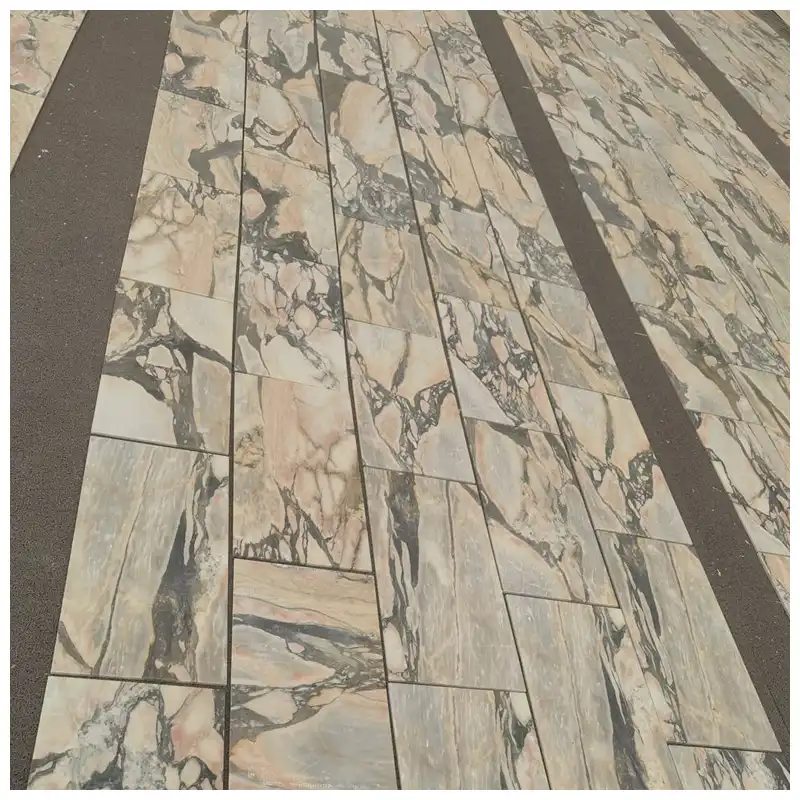

Rosa Aurora Pink Marble
Rosa Aurora Pink Marble tiles feature soft pink base interwoven with dramatic dark grey‑black veining. Available in custom cut‑to‑size tile dimensions, polished surface finish. Suitable for interior floor, accent wall, lobby and villa hotel renovation projects. Each tile shows unique natural vein variation. Support book‑match layout. Factory direct supply for builders, designers and real‑estate contractors.
Luxury Marble: Rosa Aurora Pink Marble Tiles, Luxury Natural Stone Floor Wall Tiles for Villa Hotel Interior Project
Natural Marble: Rose Aurora Pink Marble, Calacatta Aurora Marble
Marble Factory: KA UNITED
Marble Slab Size: 2400upx600, 2400upx800, 2500upx1200up, etc.
Marble Tiles: 24''x24'', 12''x24'', 12''x12'', 18''x18''
Thickness: 20,30mm
Surface: Polished, Honed, Brushed
MOQ: 300 SQM
Application: KA UNITED Supplies A full Range of natural Black Marbles For Floor, Wall Tiles, Kitchen and Bathroom Countertops, and other Commercial Projects
Product Introduction
Quick Summary
Rosa Aurora Pink Marble is a Portuguese natural marble used for interior floors and walls where designers want a warmer alternative to conventional white or grey marble. KA UNITED supplies Rosa Aurora Pink Marble Tiles in 24″ × 12″, 18″ × 16″ and 24″ × 18″ references, with 10/12/16/18/20/30mm thickness options, polished or honed finishes and custom cut-to-size production. The supplied factory dry-lay image shows why full-area approval matters: cream, blush-pink and warmer beige sections mix with grey, charcoal and darker mineral movement, so large floors and walls should be sorted and sequenced before packing rather than judged from one sample tile.
|
|
Portuguese Pink Marble · Cut-to-Size Tiles · Book-Match & Dry-Lay Project Selection Rosa Aurora Pink Marble Tiles for Book-Matched Walls and Sequenced Interior FloorsRosa Aurora does not behave like a manufactured tile with one repeated print. A project can include pale cream-pink sections, salmon or warm beige areas, cloudy grey movement and much darker charcoal lines. Large-format cutting preserves more of that natural composition, while smaller modules create a busier joint rhythm. For architects and contractors, the important decision is not simply "pink marble or white marble." It is how much warm color, dark movement and visual contrast should appear across the finished floor or wall. View Marble Tile Collection |

Portuguese Rosa Aurora Marble Varies from Pale Pink and Cream to Stronger Rose-Toned Sections
Rosa Aurora is widely traded as a Portuguese pink marble, and current Portuguese and international stone listings show several commercial selections within the Rosa Aurora family rather than one perfectly uniform color grade. Pale pink, cream, beige and stronger rose-toned material can all appear in the market.
The supplied KA UNITED factory photograph reinforces that point. Across the dry-laid pieces, some sections read almost ivory or pale beige, others carry warmer blush and peach undertones, and the darker grey-to-charcoal mineral lines vary considerably in width and concentration.
That variation is useful when it is controlled. A hotel lobby can use the darker pieces to create more movement through selected zones, while a villa floor may favor a quieter blend with the strongest veins distributed rather than clustered in one area.
A procurement sample should therefore establish the general Rosa Aurora family, but the final approval for a large job should be based on the current slab or tile lot.
|
Show cream-pink ground color, warmer blush areas, grey movement, charcoal veins and natural mineral transitions. |
The Dark Veins Are Part of the Design, but Their Distribution Should Be ControlledOn a single tile, a strong charcoal vein can look dramatic. Across several hundred square metres, too many dark pieces grouped together can create an unintended patch that dominates the room. The opposite problem also occurs. Installing only pale low-movement pieces in one zone and heavily veined pieces in another can make one natural-stone order look like two different materials. Factory sorting should therefore look at the complete field: background tone, dark-vein density, warm pink or beige areas and the direction of larger mineral movement. For a premium project, balanced variation usually looks more convincing than trying to remove every naturally darker piece. |

Rosa Aurora Tile Sizes and Thicknesses for Floor and Wall Packages
| Specification | Supplied Reference | What the Buyer Should Confirm |
|---|---|---|
| Rectangular Tile A | 24″ × 12″ | Good general-purpose rectangular format; confirm joint grid, orientation and floor or wall use. |
| Tile B | 18″ × 16″ | Check how the less-common proportion fits the architectural setting-out drawing. |
| Rectangular Tile C | 24″ × 18″ | Exposes more natural pattern per piece and reduces joint frequency compared with smaller modules. |
| Thickness Options | 10 / 12 / 16 / 18 / 20 / 30mm | Thickness should follow tile size, stone condition, floor or wall use, substrate, handling and installation system. |
| Surface Finish | Polished / Honed | Approve sheen on representative material and match the finish to the actual application. |
| Custom Cutting | Available | Provide finished dimensions, quantity by size, tolerance requirement, edge condition and installation drawing. |
| Book-Match / Vein Layout | Project-specific | Confirm availability of suitable consecutive slabs before a mirrored arrangement is promised. |
| MOQ | 300 SQM | Confirm current material lot, size mix and quantity allocation before production release. |
| Primary Project Use | Interior wall and floor applications | Wet areas, high-traffic floors and elevated wall panels require application-specific review. |
Thickness selection: the availability of 10mm or 12mm material does not mean those thicknesses are appropriate for every wall or floor. Large pieces, high wall elevations, mechanically fixed panels, heavily trafficked floors and difficult site handling can require a different thickness or installation system.
The Supplied Factory Dry-Lay Shows Why Rosa Aurora Should Be Approved as a Complete Field
|
The supplied photograph is valuable because it shows production pieces laid out together on the factory floor rather than one carefully selected beauty shot. Long rows reveal how the marble changes from piece to piece when viewed at architectural scale. ```Some areas contain broad pale fields; other pieces have far denser grey and charcoal movement. Warmer blush and beige sections also appear intermittently. This is the natural range the installer will actually work with. Before packing, the dry layout can be used to identify pieces that should remain adjacent, pieces that should be separated, and unusually dark or warm tiles that need deliberate placement. For lobby floors, main corridors and large villa interiors, this stage helps prevent abrupt color islands after installation. It also gives the project team a chance to approve the overall visual rhythm while the material is still in the factory. This is a stronger form of QC than inspecting random individual tiles after they have already been placed into crates. |
Use the supplied factory image showing long rows of Rosa Aurora pieces sorted before packing. |

Book-Matching and Vein-Matching Are Not the Same Thing
A true book-match normally depends on suitable consecutive slab faces that can be opened like pages so their pattern mirrors across a joint. It should not be promised simply because a marble has dramatic veins.
Where consecutive material is available, Rosa Aurora can create striking mirrored wall panels. Dark lines can meet across the center, while pink, cream and grey areas spread outward into a larger composition.
For floors, a literal mirror effect is often less important. A controlled vein-match or dry-lay sequence may produce a more natural result because people read the entire floor field rather than one vertical focal elevation.
The required result should therefore be written into the project schedule: true book-match, directional matching, balanced random layout, numbered dry-lay sequence or another approved arrangement.
That distinction prevents the factory and installer from using the same word "bookmatch" for very different visual expectations.
Calacatta Aurora Is a Useful Search Name, but the Purchase Order Should Identify the Approved Rosa Aurora Material
The market uses several related naming variations around this Portuguese pink-marble family. Some current suppliers use terms such as Rosa Calacatta Aurora, Calacatta Rosa or Rosa Aurora when describing material with pink backgrounds and grey or darker veining.
That makes Calacatta Aurora Marble Tiles useful as a sourcing and search phrase, but a commercial name alone should not control a large project order. Different sellers may apply similar names to material with noticeably different background color or vein intensity.
The same caution applies when buyers search for aurora rose marble tiles. Search terminology can help locate the stone family; production approval should still refer to actual Rosa Aurora samples, slab photographs, dry-lay images and the agreed color range.
That is particularly important when several shipments must remain reasonably coordinated over the life of a project.
Cut-to-Size Planning Starts with the Room Grid, Not the Largest Tile the Slab Can Produce
Pink Marble Tiles can be cut into many dimensions, but the best module is the one that works with the actual room rather than the one that leaves the largest individual piece.
A lobby floor should be set out from important architectural lines: entrance centerline, columns, lift doors, reception desk, major thresholds and perimeter conditions. Narrow slivers at a doorway often look worse than using a slightly smaller field module throughout the room.
Wall elevations need similar planning around niches, doors, mirrors, sanitary fittings, corners and ceiling lines. Cutting every panel to one nominal dimension and resolving these conditions only on site usually increases waste and interrupts the stone pattern.
For project production, the cutting list should separate standard field pieces from borders, returns, skirting, stair components, corner pieces and replacement material.
The stone layout and architectural grid should be solved together before final nesting begins.
|
Show tile dimensions, thickness calibration, squareness, edge condition, piece coding and finished surface inspection. |
Cut-to-Size QC Should Focus on Calibration Before the Tiles Reach the InstallerA good dry layout can still become difficult to install if individual pieces vary excessively in thickness, dimensions or squareness. Visual selection and dimensional inspection are separate quality-control jobs. Finished pieces should be checked against the approved cutting schedule. Thickness variation, edge chips, damaged corners and incorrect orientation marks are easier to correct in the factory than after crates arrive on site. Book-matched and sequenced pieces also need readable numbering. The installer should not have to recreate the intended pattern by guessing from dozens of visually similar crates. Where several dimensions are included in the same project, each size group should be clearly separated on production and packing lists. Spare pieces are best selected from the same approved production lot where future replacement appearance matters. |

Polished Rosa Aurora Brings Out the Pink-Grey Contrast; Honed Finish Makes It Quieter
Polishing increases reflection and makes the contrast between the lighter pink-cream field and darker grey or charcoal movement more pronounced. On feature walls, that can give Rosa Aurora a richer, more decorative appearance.
A polished floor also reflects windows, ceiling lights and surrounding interiors. That may be desirable in formal lobbies and residential reception spaces, but reflected light can make natural tonal differences more noticeable.
Honed Rosa Aurora has lower reflection and a softer visual character. It can work well with timber, plaster, brushed metals and interiors that want natural stone without a highly glossy surface.
Current Rosa Aurora suppliers commonly list polished and honed surfaces, and some also offer additional textured treatments. For this KA UNITED product specification, polished and honed remain the confirmed options supplied by the user.
Where appearance is critical, the finish sample should come from material close to the actual production range rather than an unrelated white or pink marble.
Polished Rosa Aurora Floors Need a Different Specification from Decorative Wall Panels
A polished wall mainly needs good visual selection, stable backing and an appropriate fixing or adhesive system. A floor has additional concerns: foot traffic, substrate movement, lippage, joint layout, cleaning and wet conditions.
Polished natural marble should not automatically be described as slip-resistant. Where a hotel entrance, bathroom or another floor can become wet, the finish and required slip performance should be reviewed for the actual project and tested when the specification requires it.
The substrate should be flat, stable and suitable for natural stone. Large-format tiles reveal unevenness more readily because the installer has fewer joints available to absorb changes in level.
Light-colored natural-stone-compatible setting materials are often preferred for pale marble because contamination or dark adhesive can affect the visible appearance of some stone. The complete installation system should follow the project's stone and substrate requirements.
For floor applications, the tile format, thickness and finish should therefore be selected as one system rather than three separate purchasing decisions.
Rosa Aurora Wall Panels Need Joint Planning Before Vein Matching Begins
Feature-wall design often starts with attractive slab photographs, but the final elevation is controlled by real panel dimensions. Door openings, corners, niches, electrical outlets and ceiling lines determine where joints can actually go.
The marble pattern should be arranged after these architectural interruptions are mapped. Otherwise a strong vein may be aligned perfectly in the workshop only to disappear behind a mirror or be divided by a vertical corner on site.
For larger or elevated wall pieces, the final thickness and fixing strategy need separate project review. Adhesive-only fixing should not be assumed for every panel size or installation height.
Where mechanical restraint is required, fixing positions should be coordinated with the stone pattern and edge geometry before fabrication.
This is especially relevant for hotel lobby elevations where the wall is both a decorative feature and a large-format architectural assembly.
Where Rosa Aurora Pink Marble Works Best in Interior Projects
Hotel Lobby FloorsLarge coordinated fields let the pink, cream and charcoal variation read as one planned natural-stone composition. |
Villa Living AreasWarm marble works with timber, ivory walls and soft metal finishes without creating the colder tone of many white-grey stones. |
Bathroom WallsBook-matched or selectively vein-matched panels can create a focal wall around vanities, tubs and other controlled interior areas. |
Commercial Feature WallsStrong natural variation gives reception, retail and hospitality interiors more identity than a uniform pale wall finish. |
Rosa Aurora Works with Warm Metals and Timber Better Than Many Cool White Marbles
Oak, walnut and other warm timbers pick up the cream, blush and beige side of Rosa Aurora without competing directly with its dark mineral movement.
Brushed brass, bronze and champagne-tone metals can reinforce the warmer parts of the stone. Blackened or dark metal details do the opposite: they connect to the charcoal lines and make the pale marble read more strongly.
Warm white or ivory plaster keeps the room soft. Cool grey finishes create more contrast and can make the pink undertone more visible.
Because Rosa Aurora already contains several colors, surrounding materials usually work better when their own pattern is restrained.
Rosa Aurora Pink Marble vs. Four KA UNITED Marble Tile Directions
Rosa Aurora sits between quiet neutral marble and strongly colored feature stone. Rosso Levanto is much darker and more graphic, Camouflage White shifts toward pale grey-green cloud movement, Calacatta Borghini subway tile changes the scale through small rectangular modules, and Burdur Beige provides a calmer cream-beige field. The decision is therefore less about which marble is "best" and more about how much color, natural movement and joint rhythm the architecture can carry.
| Selection Factor | Rosa Aurora | Rosso Levanto | Camouflage White | White Marble Subway Tile | Burdur Beige |
|---|---|---|---|---|---|
| Color Character | Cream to blush-pink marble with grey, charcoal and warmer beige mineral areas. | Deep burgundy-red marble with strong white branching movement. | White and pale-grey marble with smoky grey and muted green cloud-like movement. | Bright white Calacatta Borghini marble with grey and occasional warm mineral veins. | Warm cream-beige field with quieter natural tonal movement. |
| Pattern Scale | Medium to large natural movement; strong pieces benefit from dry-lay control. | Strong high-contrast veins remain visible even in smaller pieces. | Large irregular cloud-like composition. | Smaller tile module creates more joints and a repeated architectural rhythm. | Quieter overall pattern suitable for broad continuous fields. |
| Best Design Role | Warm feature floors, lobby walls, villas and book-matched focal areas. | Bold red statement floor or wall. | Expressive pale floor or wall where grey-green movement should stay visible. | Bathrooms, backsplashes and decorative wall layouts requiring smaller modules. | Quiet whole-room floors and walls where the stone should remain background material. |
| Main Approval Priority | Pink-to-cream range, charcoal-vein concentration, dry-lay balance and book-match availability. | Burgundy tone and white-vein density. | Grey-green pattern distribution and sequencing. | Tile module, laying pattern and small-piece vein mix. | Cream-beige tone consistency and finish. |
| Choose It When... | The interior needs pink warmth with enough dark movement to remain distinctly natural. | A strong burgundy architectural color is required. | A light surface with more abstract grey-green movement is preferred. | The design needs a smaller modular wall pattern rather than a broad slab-like field. | The project needs a warmer neutral marble with less visual interruption. |
Factory QC for Rosa Aurora Should Separate Natural Variation from Fabrication Defects
- Approve the current Rosa Aurora material range before the complete order is cut.
- Confirm 24″ × 12″, 18″ × 16″, 24″ × 18″ or custom dimensions against the architectural tile schedule.
- Select 10/12/16/18/20/30mm thickness according to application rather than using one thickness throughout automatically.
- Check polished or honed finish against the approved sample under representative lighting.
- Review cream, pink, beige, grey and charcoal distribution across the complete dry-laid field.
- Separate natural mineral features from chips, processing cracks, broken corners and other fabrication damage.
- Check dimensions, squareness and thickness calibration before packing.
- Confirm the required vein direction for long rectangular pieces.
- Verify consecutive-slab availability before approving a true book-matched wall.
- Number book-matched, vein-matched and sequenced floor or wall pieces clearly.
- Keep border, skirting, stair and special-shaped components linked to the correct project area.
- Include an agreed quantity of matching spare pieces where the project specification requires replacements.
- Photograph important dry-laid areas before the layout is dismantled for packing.
- Match crate and bundle numbers to the installation schedule before shipment release.
Rosa Aurora Packing Should Preserve the Factory Layout for the InstallerOnce an approved layout has been dismantled, the numbers on the pieces become the link between the factory floor and the finished building. Those markings need to remain readable through packing, transport and site handling. Sequenced pieces should be grouped logically rather than mixed only to maximize crate density. A wall elevation or floor zone that arrives in installation order is much easier to reconstruct. Polished faces need separation and protection from direct abrasive contact. Corners and narrow pieces require additional support because they are more vulnerable during loading and unloading. Crate identification should use the same room, elevation, floor-zone or drawing references used in the approved stone schedule. For large commercial projects, packing information is part of installation planning, not merely a shipping step. |
Show numbered tile sets, protective separation, edge protection, crate labels and packing-list coordination. |

Care and Sealing for Rosa Aurora Marble Floors and Walls
Rosa Aurora is natural marble, so routine care should account for the acid sensitivity associated with calcite-rich marble surfaces. Acidic bathroom cleaners, descalers and similar aggressive products can dull or etch a polished finish.
Use a soft cloth or mop with a cleaner suitable for natural marble. Dirt and abrasive grit should be removed from floors rather than allowed to remain under repeated foot traffic.
A compatible penetrating sealer may help manage absorption and staining, particularly in bathrooms, hospitality interiors or other areas exposed to liquids. Sealing does not make marble stain-proof, waterproof or resistant to acidic attack.
For polished floors, entrance mats and an appropriate maintenance program can reduce abrasive wear in high-traffic circulation areas.
Maintenance requirements should be considered when selecting the final finish, not only after the marble has been installed.
A Completed Rosa Aurora Interior Should Show Controlled Variation, Not Artificial UniformityThe strongest finished projects allow the natural differences to remain visible while preventing one area from looking accidentally darker, warmer or more heavily veined than the rest. On floors, this usually means viewing the room as one field and distributing stronger pieces through the layout. On feature walls, the strategy may be the opposite: concentrate the most dramatic movement where it forms the focal composition. Joint alignment, lighting and adjacent materials also change how the marble is perceived. The same Rosa Aurora selection can feel soft and residential beside timber or much sharper beside black metal and cool grey finishes. The finished-project photograph should therefore show enough of the room to explain the marble's scale rather than another isolated close-up. That architectural context is what buyers need when deciding whether Rosa Aurora belongs on an entire floor, one feature wall or a smaller decorative zone. |
Use a wide completed-project view showing tile scale, joint rhythm, stone variation and adjacent interior materials. |

Recommended Marble Tiles from KA UNITED
These four materials give designers a useful contrast to Rosa Aurora: deeper red, cloud-like white-grey, compact white subway modules or quiet cream-beige marble.
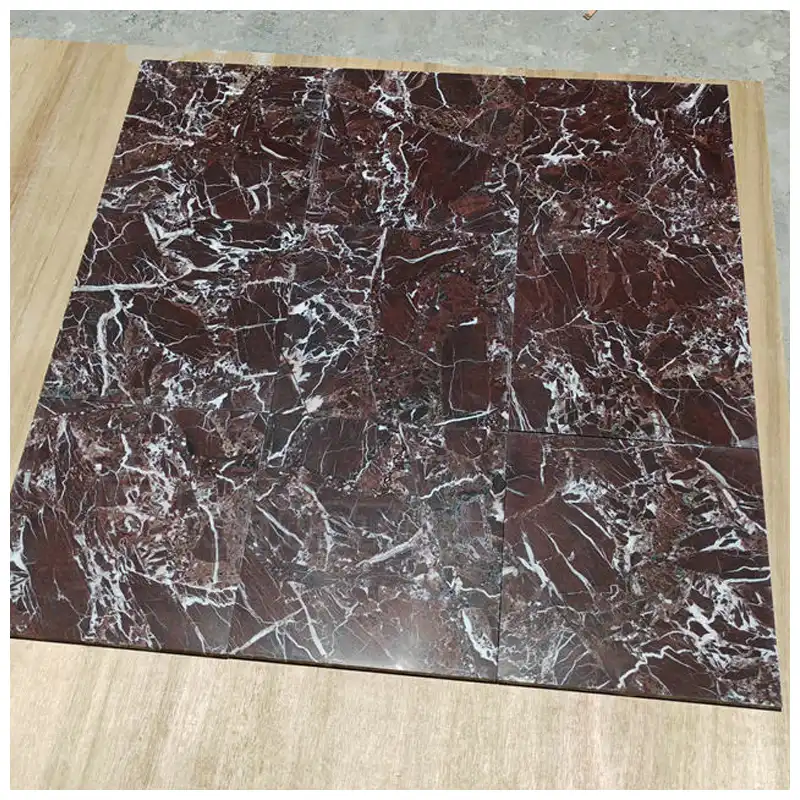
Rosso Levanto Marble TilesDeep burgundy marble with white veining for feature floors, walls and high-contrast interior schemes. |
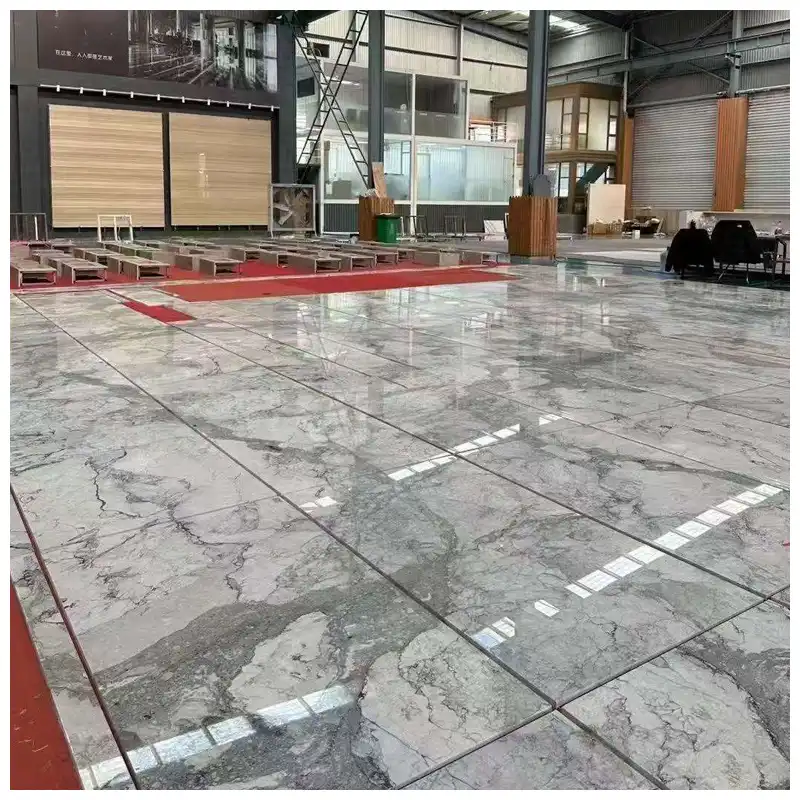
Camouflage White Marble TilesWhite marble with grey-green cloud movement for broad floors, walls and sequenced cut-to-size layouts. |
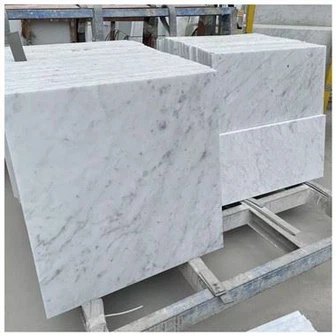
White Marble Subway TilesCompact Calacatta Borghini marble modules for bathrooms, backsplashes and patterned interior wall applications. |
Burdur Beige Marble TilesWarm cream-beige marble tiles for quieter residential floors, walls and whole-interior stone packages. |


FAQ About Rosa Aurora Pink Marble Tiles
1. Where does Rosa Aurora Pink Marble come from?
Rosa Aurora is widely traded as a Portuguese natural pink marble. Current commercial selections range from pale pink and cream to warmer rose and beige tones, with grey, charcoal or darker natural movement. Final project approval should be based on the actual production material rather than the country name or a single sample alone.
2. What tile sizes and thicknesses are available?
The supplied size references are 24″ × 12″, 18″ × 16″ and 24″ × 18″, with 10mm, 12mm, 16mm, 18mm, 20mm and 30mm thickness options. Custom cut-to-size dimensions can also be produced according to the approved architectural tile schedule and project quantity.
3. Can Rosa Aurora marble tiles be book-matched?
Yes, when suitable consecutive slab faces are available. A true mirrored book-match should be confirmed from the actual selected slabs before cutting. For large floors, a numbered vein-match or balanced dry-lay sequence may be more appropriate than a mirrored arrangement.
4. Will every Rosa Aurora tile have the same pink color and dark veining?
No. Natural Rosa Aurora can vary in cream, blush pink, beige, grey and darker mineral movement. The supplied factory image itself shows meaningful piece-to-piece variation. Large orders should establish an acceptable color range and use factory sorting or dry-lay review before packing.
5. Is polished or honed Rosa Aurora better for flooring?
The better finish depends on the project. Polishing gives stronger reflection and color contrast, while honing creates a lower-gloss appearance. For floors that may become wet, do not assume a polished or honed finish automatically meets the required slip performance; the project specification should address the actual use condition and testing requirement.
6. Can 10mm or 12mm Rosa Aurora tiles be used on every wall?
No. Thin marble can be suitable for selected applications, but final thickness should be checked against panel dimensions, stone condition, installation height, substrate, fixing method, handling and project engineering requirements. Larger or elevated panels may need a different specification.
7. Are Calacatta Aurora Marble Tiles the same as Rosa Aurora?
Related Calacatta Rosa, Rosa Calacatta Aurora and Rosa Aurora naming appears in the stone market, but commercial names are not always applied identically by every supplier. For procurement, approve the actual Rosa Aurora material, color range, finish and slab or tile photographs rather than relying on the trade name alone.
8. Can Rosa Aurora be custom cut for hotel and villa projects?
Yes. Custom dimensions can be developed from floor plans, wall elevations and project cutting schedules. Field tiles, borders, skirting, stair pieces, returns and special-shaped components should be separated clearly on the production list so the complete stone package arrives in the correct quantities.
9. Why is factory dry-lay important for Rosa Aurora?
Dry-lay review shows how pale, pink, beige, grey and darker pieces work together across a complete surface. It allows unusually strong pieces to be repositioned, important sequences to be numbered and major color transitions to be approved before the material is packed and shipped.
10. How should Rosa Aurora marble be cleaned and maintained?
Use cleaning products suitable for natural marble and avoid aggressive acidic cleaners that can etch calcite-rich surfaces. Remove spills promptly, keep abrasive grit off polished floors and use a compatible penetrating sealer where appropriate. Sealing can help manage absorption but does not make marble stain-proof, waterproof or resistant to acidic attack.
Rosa Aurora Pink Marble Works Best When the Floor or Wall Is Planned as One Stone Composition
Rosa Aurora earns its place in a luxury interior through variation, not through perfect repetition. Cream and blush areas keep a large room light, while grey and charcoal movement gives the surface enough structure to remain distinctly natural. The important work happens before installation: choose the acceptable color range, decide where stronger veins belong, set the architectural joint grid, confirm whether a true book-match is available, and preserve the approved factory sequence through piece numbering and packing. That approach produces a more deliberate floor or wall than simply ordering pink marble by square metre and leaving the final composition to the installer.
What to Confirm Before KA UNITED Cuts Rosa Aurora Marble for a Hotel, Villa or Commercial Interior
For a reliable quotation and cutting plan, provide the floor plan or wall elevation together with the required tile dimensions, quantity by size, thickness, polished or honed finish, installation area and preferred stone character. If the project needs book-matching or controlled vein flow, mark those focal areas separately rather than applying the same requirement to every room.
For larger projects, also define the acceptable pink-to-cream range, preferred dark-vein intensity, joint layout, piece-numbering method, room or elevation codes, special-shaped pieces, spare material and packing sequence. This gives the factory a practical basis for selecting and cutting Rosa Aurora Pink Marble Tiles to match the architecture instead of treating the order as unrelated individual tiles.
Hot Tags: rosa aurora pink marble, China rosa aurora pink marble suppliers, factory, calacatta bianco, cream marble effect tiles, marble effect bathroom wall tiles, marble tile stores, Pietra Marble Tiles, textured marble tile
You Might Also Like


Send Inquiry
