



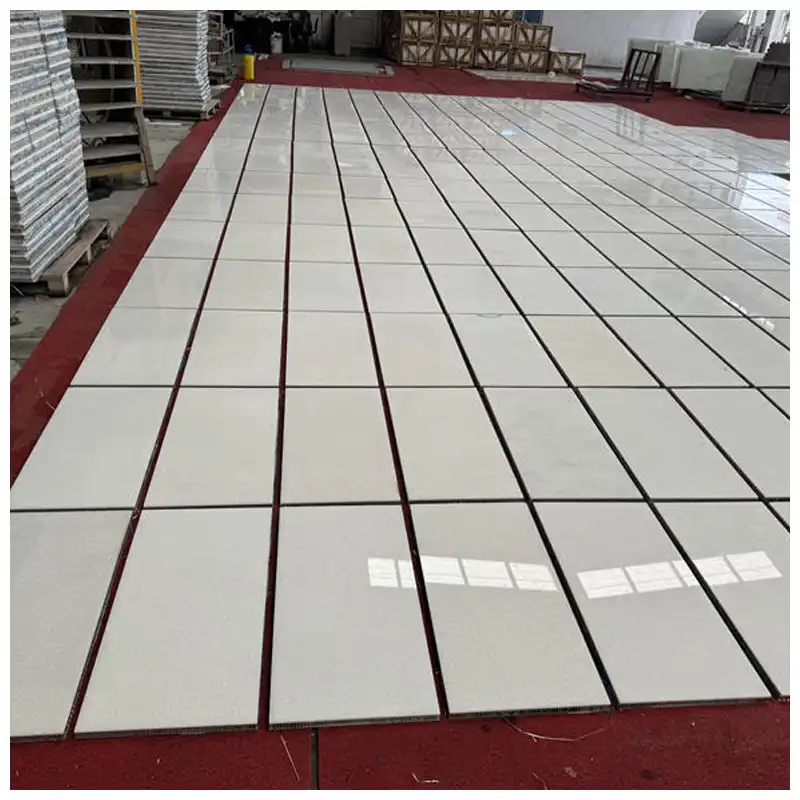
Crystal White Marble Tiles
Premium Burdur Beige Marble Tiles quarried in Turkey. Featuring soft warm beige background with subtle light veining, this elegant natural stone brings timeless luxury to villa and mansion projects. Available in polished, honed finishes, custom sizes are supported. Ideal for indoor flooring, feature walls, hallway, living room and bathroom cladding. Durable, easy‑maintenance marble material, widely selected by architects, contractors and interior designers for high‑end residential decoration.
Luxury Marble: 1. Turkey Burdur Beige Marble Floor Tiles, Natural Marble Wall Covering for High‑end House Renovation
Natural Marble: Burdur Beige Marble, Bai Yulan Beige Marble
Marble Factory: KA UNITED
Marble Slab Size: 2400upx600, 2400upx800, 2500upx1200up, etc.
Marble Tiles: 24''x24'', 12''x24'', 12''x12'', 18''x18''
Thickness: 20,30mm
Surface: Polished, Honed, Brushed
MOQ: 300 SQM
Application: KA UNITED Supplies A full Range of natural Black Marbles For Floor, Wall Tiles, Kitchen and Bathroom Countertops, and other Commercial Projects
Product Introduction
Quick Summary
Crystal White Marble Tiles combine a natural white marble face with an aluminum honeycomb backing to reduce panel weight while retaining a real stone surface for architectural interiors. Confirmed formats include 600 × 300, 600 × 600, 300 × 300 and 600 × 457 mm, with supplied 12 / 16 / 18 / 20 mm thickness references and polished finishing. For projects sourcing lightweight marble wall or floor panels, the main decisions are the complete panel build-up, substrate and fixing method, joint layout, finished loading conditions and approval of the actual marble batch before production.
|
|
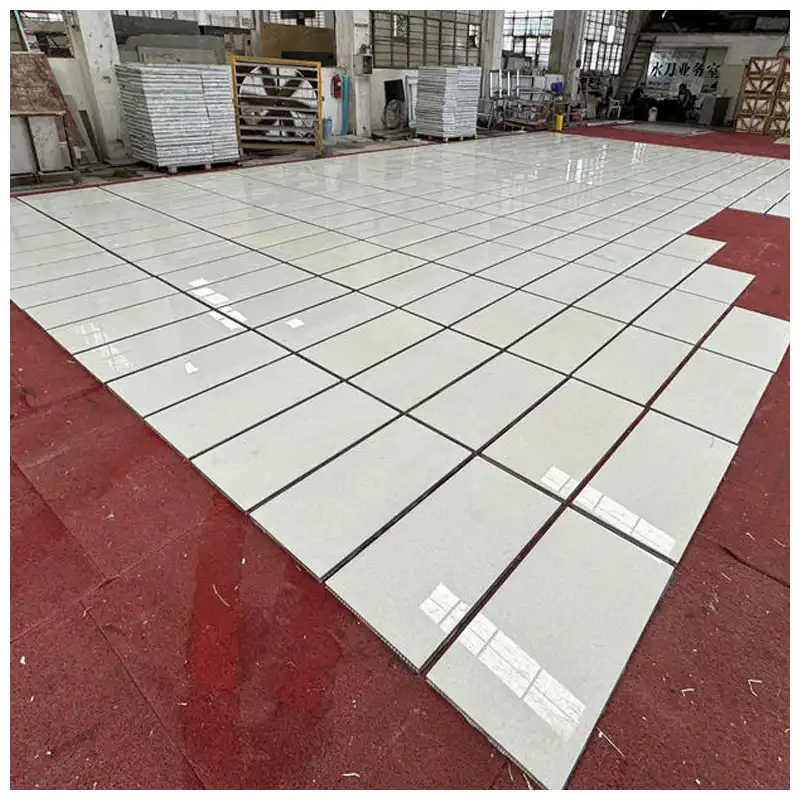
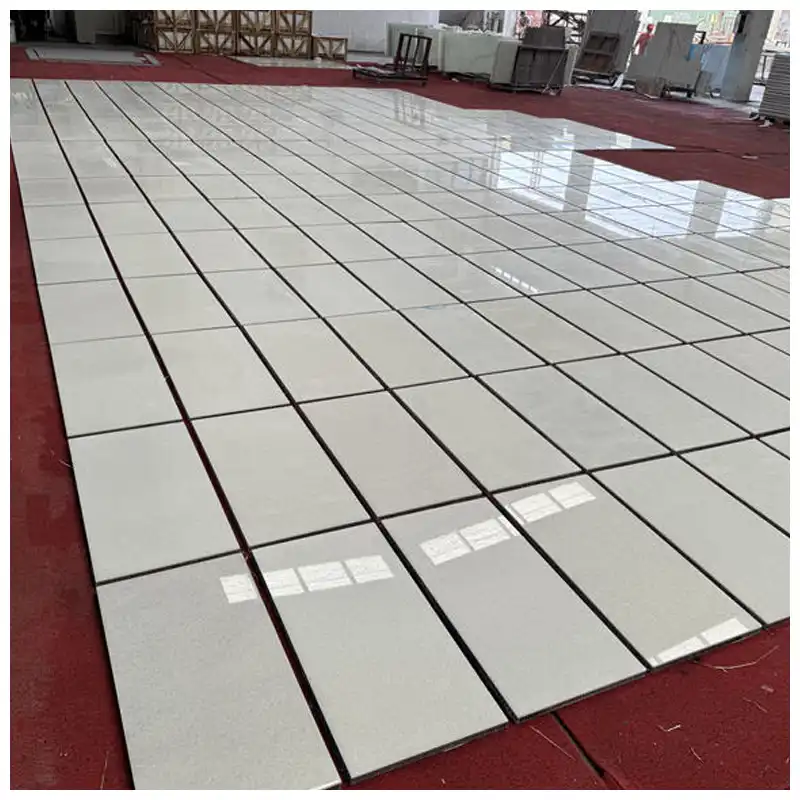
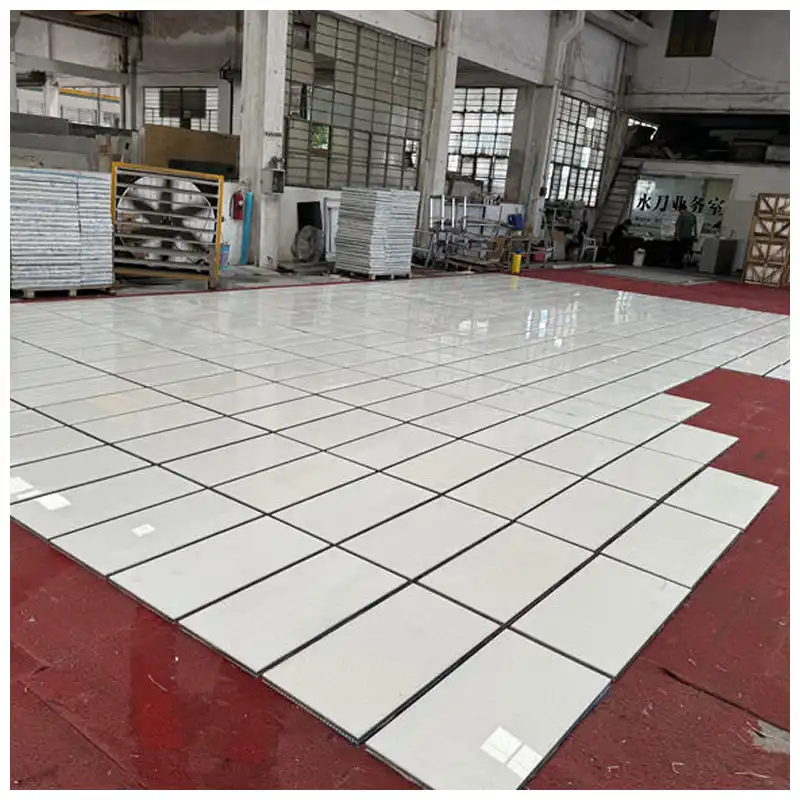
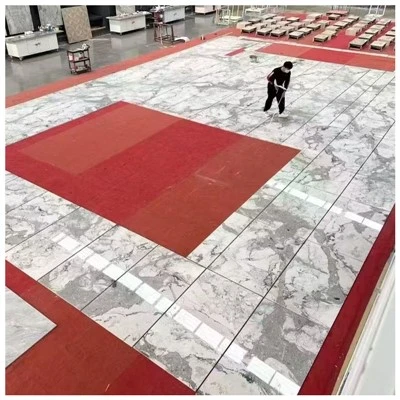
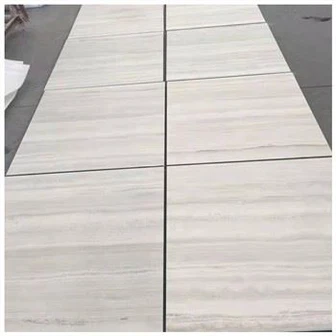
Natural White Marble Face · Aluminum Honeycomb Backing · Polished Composite Panel Lightweight Crystal White Marble Tiles with Honeycomb Backing for High-End Flooring and Wall CladdingThe supplied factory image shows a large dry-laid field of polished white panels with a restrained, relatively uniform visual character. Reflections across the surface confirm the glossy finish, while the dark gaps between pieces make the modular panel dimensions and installation rhythm easy to assess before packing. Unlike conventional full-thickness marble pieces, these White Marble Honeycomb Tiles are specified with an aluminum honeycomb backing. That construction changes how the product should be detailed, handled and installed, so the complete panel assembly matters just as much as the marble face. View Marble Tiles |
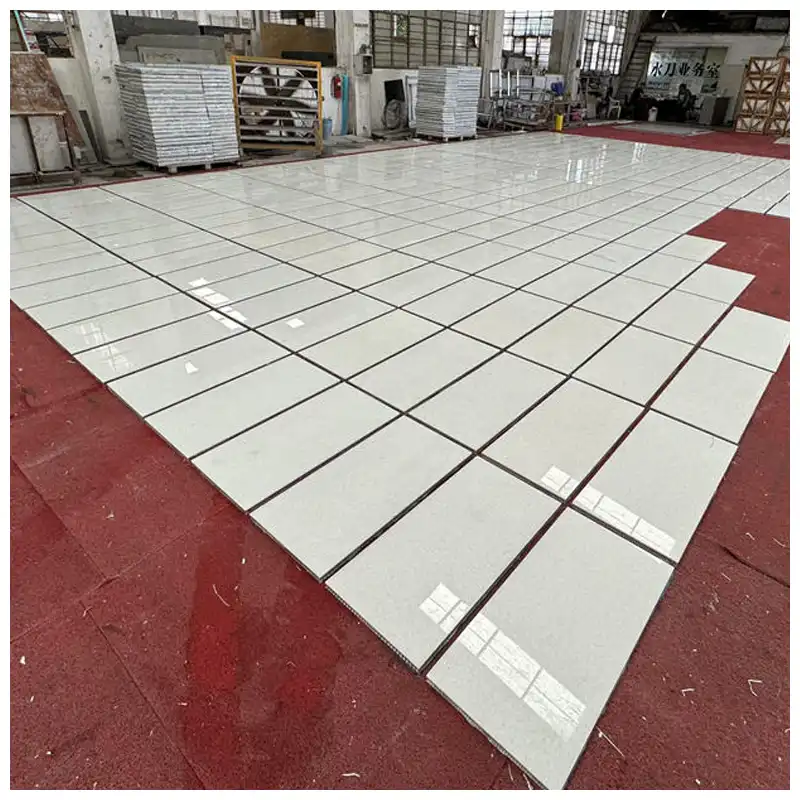
What Does the Current Crystal White Marble Surface Look Like?
|
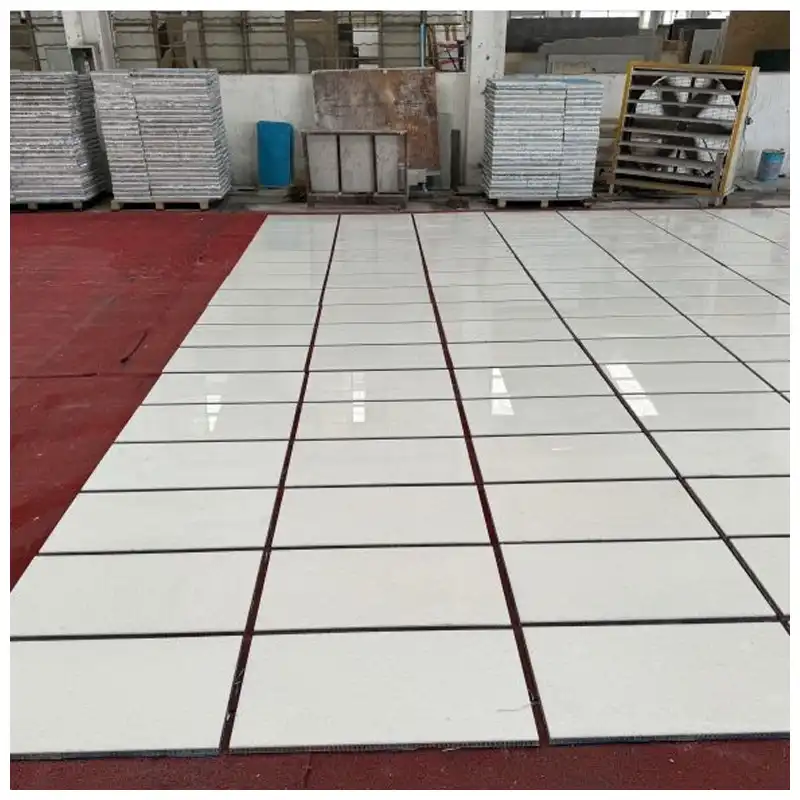
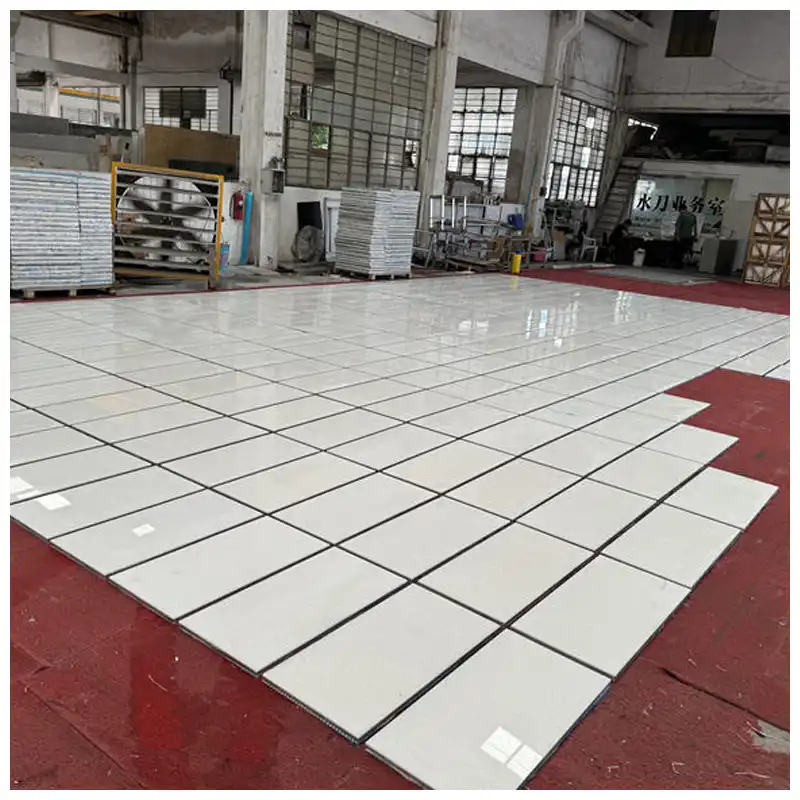
The photographed production batch reads as a clean white to soft off-white surface with very restrained natural movement. It is visually quieter than heavily veined white marble, allowing the joint grid, lighting and surrounding architecture to play a larger role in the finished space. The factory layout also shows why a complete batch should be viewed together. Even pale stone can shift slightly in tone or mineral activity from piece to piece, and those differences become easier to see once dozens of panels are installed in one field. Buyers searching for Pure White Marble Tiles should therefore approve the actual production range rather than treating "pure white" as a guarantee of perfectly identical natural stone. |
|
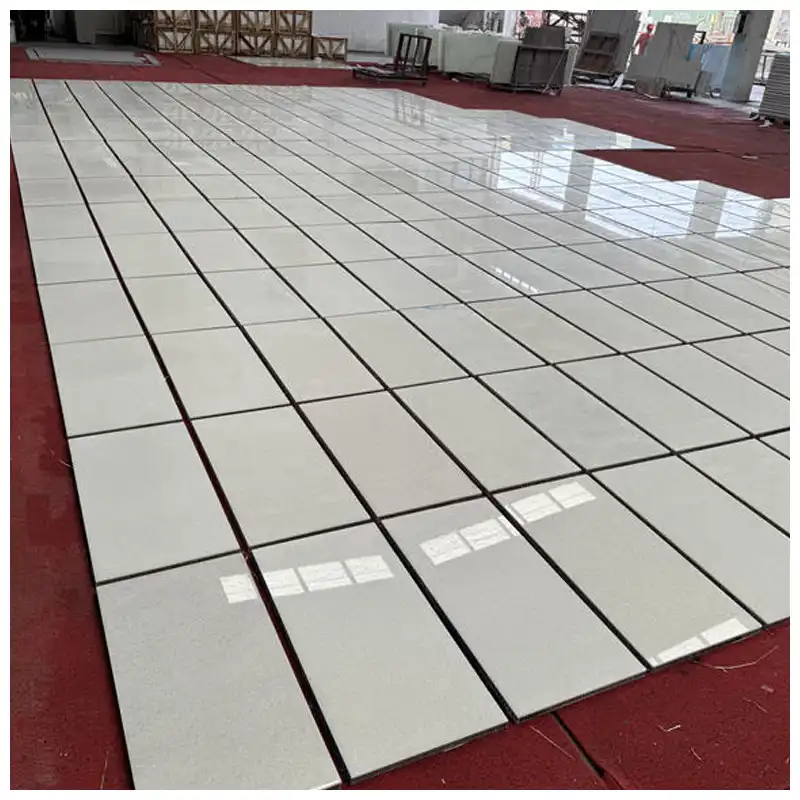
Confirmed Crystal White Marble Honeycomb Tile Specifications
| Specification | Confirmed Product Data |
|---|---|
| Visible Stone Material | Natural Crystal White Marble |
| Panel Construction | Natural marble face bonded to an aluminum honeycomb backing, according to the supplied product specification |
| Available Size References | 600 × 300 mm; 600 × 600 mm; 300 × 300 mm; 600 × 457 mm |
| Supplied Thickness References | 12 / 16 / 18 / 20 mm; final marble-face and honeycomb build-up to be confirmed for the selected panel specification |
| Surface Finish | Polished |
| Cut-to-Size Service | Project-specific sizing and required openings can be developed from approved drawings |
| MOQ | 300 sqm |
|
|
What Changes When White Marble Is Backed with Aluminum Honeycomb?The supplied construction uses a thinner natural-marble face supported by an aluminum honeycomb panel instead of relying on a full-thickness piece of marble alone. The purpose is to reduce finished panel weight while keeping genuine stone visible at the surface. That does not mean every honeycomb panel has the same structural capacity. Total thickness, stone-face thickness, backing configuration, bond quality, panel size, support spacing and fixing method all affect the finished assembly. For specification work, request the complete cross-section and project-relevant technical documentation rather than comparing lightweight panels only by overall thickness. |
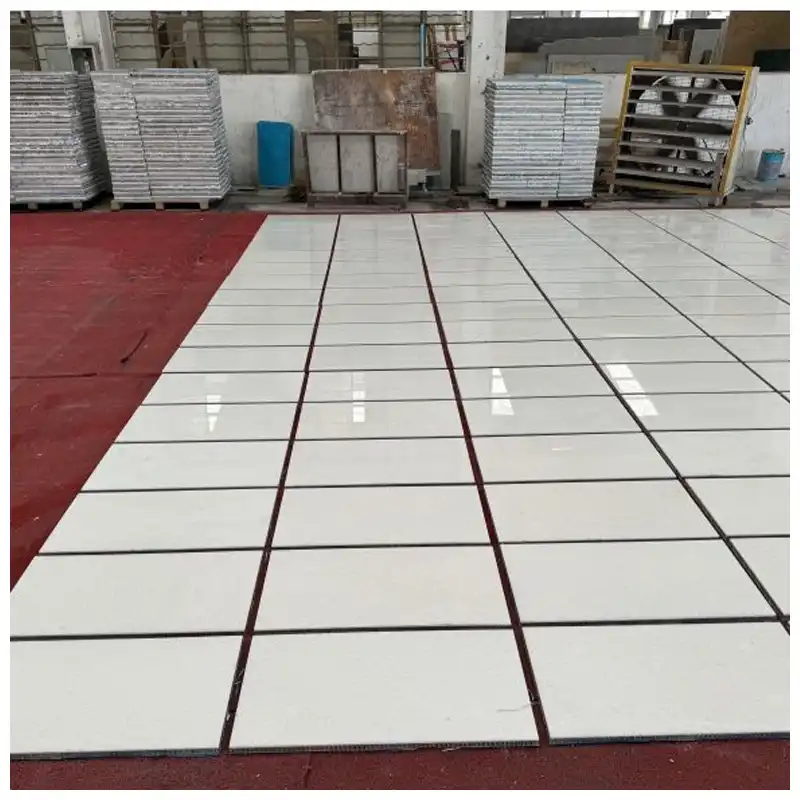
When Does the Lightweight Panel Format Make Sense?
Reducing stone mass can be useful where handling, substrate loading, large wall areas or elevated installation make conventional solid marble less convenient. It can also allow designers to retain a natural-marble face while working within a thinner engineered panel system.
The advantage should still be evaluated at assembly level. A panel described as lightweight does not remove the need to check substrate capacity, fixing design, panel deflection, movement joints and the installation method for the actual project.
For high-rise or exterior cladding, the façade engineer and fixing-system supplier should verify wind loading, anchors, bonding, fire requirements, weather exposure and local code requirements before the material is approved for use.
Using Crystal White Marble Honeycomb Panels on Floors Requires Full Support
Crystal White Marble Floor Tiles should not be treated exactly like a conventional solid-marble tile simply because the upper surface is marble. The backing construction changes how loads move through the finished panel.
Floor applications should therefore be reviewed for substrate flatness, continuous support, expected traffic, concentrated loads, panel thickness and installation system. Any raised-floor or other elevated application requires a system designed and verified for that use.
The polished surface also requires separate consideration where slip performance matters. A glossy marble face should not be described as anti-slip without the applicable project testing.
Wall Cladding Design Should Start with Panel Size, Joint Grid and Fixing Method
On walls, lightweight composite construction can be useful when the architect wants natural stone without the mass associated with thicker conventional slabs. The design still needs a clear support strategy before panel fabrication begins.
Panel module, joint width, outside corners, internal returns, service openings and edge conditions should appear on the elevation drawing. For larger wall fields, establishing the joint grid early avoids narrow infill pieces and awkward cuts around doors, lighting or built-in furniture.
Mechanical fixing, adhesive fixing or a combined system should only be selected after the project substrate, panel construction and applicable engineering requirements are known.
Cut-to-Size Panels Need More Than a Finished Width and Height
White Marble Cut-to-Size Tiles can be produced around project modules, but the cutting schedule should also identify finished orientation, edge exposure, openings, corner conditions and the location of each piece.
With composite stone panels, any exposed edge requires an agreed detail because the internal backing should not be treated as though it were a solid-marble cross-section. Returns, edge closures and interfaces with trims or adjacent materials should be resolved before production.
For large projects, piece codes linked to the elevation or floor plan make installation more reliable than packing visually similar white panels without a location reference.
Where Crystal White Marble Tiles Fit Best in Architectural Projects
Interior Wall CladdingUseful where a broad natural-white stone field is required with less panel weight than conventional thick marble. |
Lobby & Public InteriorsThe restrained surface works with large modular layouts where lighting and architecture carry more of the visual emphasis. |
Supported Floor AreasPossible where the complete composite panel and floor system are approved for the intended loading and substrate conditions. |
Custom Architectural PanelsSuitable for drawing-based modules, returns and cut-to-size interior elements when edge construction is resolved in advance. |
Crystal White Marble Tiles Compared with Four KA UNITED Marble Tile Alternatives
| Selection Factor | Crystal White Marble Tiles | Rosa Aurora Pink Marble Tiles | Burdur Beige Marble Tiles | Rosso Levanto Marble Tiles | Camouflage White Marble Tiles |
|---|---|---|---|---|---|
| Product Direction | White marble-faced honeycomb composite panel. | Pink natural-marble tile direction. | Warm beige natural-marble tile direction. | Dark red natural-marble tile direction. | White patterned natural-marble tile direction. |
| Visual Role | Quiet white field for restrained architectural surfaces. | Warmer decorative marble for pink-led interior schemes. | Low-contrast neutral direction for beige interiors. | Strong color contrast for focal floors or walls. | More visible natural movement within a predominantly white palette. |
| Construction Priority | Confirm complete marble-and-honeycomb build-up plus fixing or floor-support system. | Confirm tile size, finish, shade range and layout. | Confirm beige range, finish zoning and installation layout. | Confirm red tone, vein distribution, finish and setting-out. | Confirm pattern distribution, cut-to-size layout and piece sequence. |
| Buyer Approval Priority | Panel cross-section, marble tone, dimensional schedule and support conditions. | Actual pink range and finished tile arrangement. | Actual beige batch and project finish schedule. | Actual burgundy range and white-vein balance. | Full layout and natural white-grey pattern distribution. |
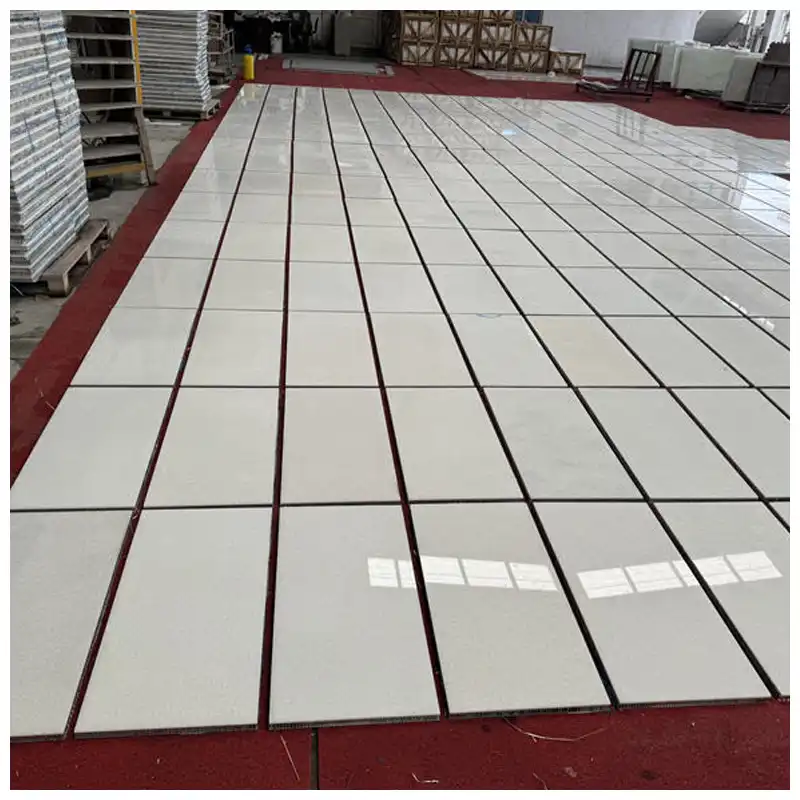
Factory QC Should Check the Stone Face and the Composite PanelSurface inspection should cover polish quality, visible marble shade, chips, edge finish and dimensional consistency. Dry-laying multiple pieces also makes it easier to identify an unintended tonal jump before the panels are packed. Because this is a composite product, inspection should also address panel flatness, visible edge construction and the integrity of the marble-to-backing assembly according to the approved production specification. Cutouts, special shapes and piece codes need separate checking against the fabrication schedule. These checks are more useful than judging quality only from a polished front photograph. |
|
Approve the Honeycomb Build-Up and Installation System Before Production
The biggest ordering risk is treating a marble honeycomb panel as though only the visible stone matters. Before production, confirm the selected overall thickness, stone-face build-up, panel dimensions, exposed edges, backing details and installation method together.
Floor projects should define substrate and loading requirements. Wall projects should define fixing points, joints and supporting structure. Exterior work requires the relevant façade engineering, environmental exposure review and regulatory approvals for the complete assembly.
If one building uses several thicknesses or fixing methods, each panel type should have its own drawing reference so visually similar pieces are not mixed during fabrication or installation.
Care for Polished Crystal White Marble Without Treating the Composite Panel Like Solid Stone
The exposed face is natural marble, so acidic cleaners and aggressive descaling chemicals can etch the polished surface. Use non-abrasive cleaning products intended for marble and remove spills before residue builds up.
Water should not be allowed to enter unfinished panel edges, penetrations or damaged joints. Edge protection, sealant details and maintenance procedures should follow the approved composite-panel installation system.
A compatible stone sealer may reduce absorption at the marble face when specified, but it does not make the complete composite panel waterproof or eliminate the need for correctly detailed joints and edges.
Packing Should Protect Both the Polished Face and the Honeycomb Panel Edges
Composite marble panels can be lighter to handle than equivalent full-thickness stone, but their finished edges and corners still require protection. Packages should prevent panel-to-panel rubbing and keep straps, metal hardware and other hard materials away from the polished faces.
Special-shaped panels and pieces with cutouts need support that prevents concentrated transport loads around weaker openings. Location codes should remain visible so installers can follow the factory sequence without repeatedly unpacking the shipment.
Packing configuration should match panel size, transport method and destination handling equipment rather than being selected only from the total square-meter quantity.
|
|
Large White Marble Surfaces Depend on Joint Discipline More Than Decorative VeiningBecause the Crystal White surface is relatively quiet, panel joints, alignment and reflected light become highly visible design elements. In a large lobby or wall field, irregular joint widths can attract more attention than the marble pattern itself. Setting-out should begin from important architectural lines such as entrances, wall centers, columns and major openings. Small perimeter cuts can then be managed deliberately rather than appearing randomly at the end of installation. This makes the material particularly suitable for projects where the architect wants a clean white stone field and is prepared to control module planning with the same care as stone selection. |
Recommended Marble Tiles from KA UNITED
These alternatives offer different color and pattern directions when a project does not require a lightweight white honeycomb panel.
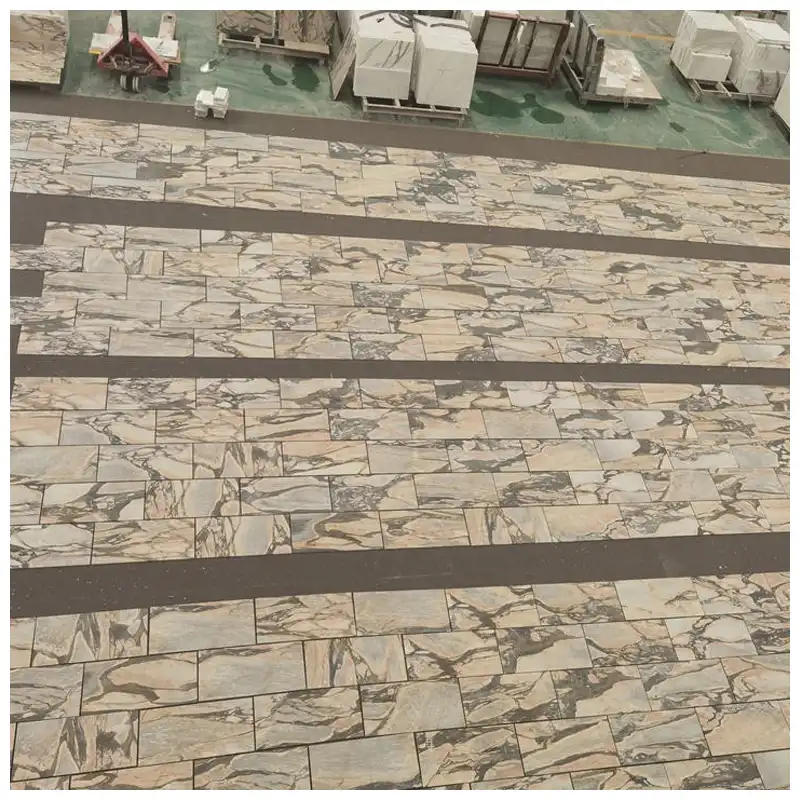 Rosa Aurora Pink Marble TilesPink marble tiles for decorative floors and walls where warmer color and stronger movement are preferred. View More |
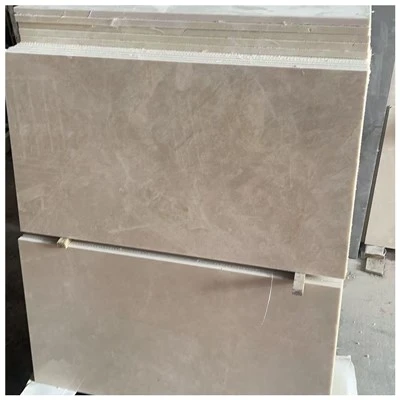 Burdur Beige Marble TilesWarm beige marble tiles for calm residential floors, walls and coordinated neutral interior schemes. View More |
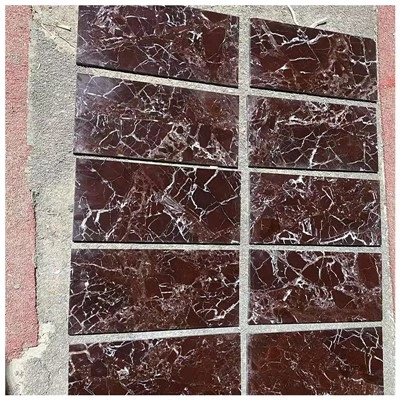 Rosso Levanto Marble TilesDark red marble tiles for bold feature floors, wall panels and hospitality interiors. View More |
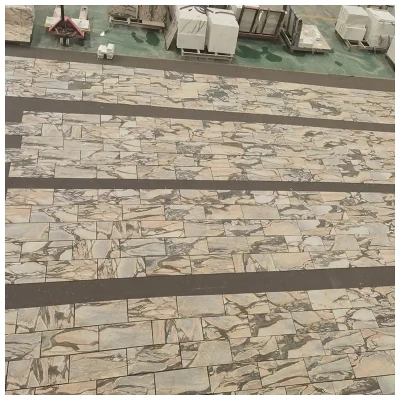
 Camouflage White Marble TilesWhite marble tiles with clouded grey-green movement for larger floors, walls and cut-to-size layouts. View More |
FAQ About Crystal White Marble Honeycomb Tiles
What sizes are available for Crystal White Marble Tiles?
The confirmed size references are 600 × 300 mm, 600 × 600 mm, 300 × 300 mm and 600 × 457 mm. Project-specific sizing and required openings can also be developed from approved drawings.
What thicknesses are supplied for the marble honeycomb panels?
The supplied thickness references are 12, 16, 18 and 20 mm. The final marble-face and honeycomb build-up should be confirmed for the selected panel specification before production.
Are the Crystal White panels solid marble?
No. According to the supplied product specification, the visible natural Crystal White Marble face is bonded to an aluminum honeycomb backing to create a lighter composite panel.
Can marble honeycomb panels be installed on floors?
They can be considered for floor applications when the complete panel construction, substrate, support, expected loads and installation method are approved for that use. Elevated or specialist floors require project-specific engineering.
Can Crystal White Marble honeycomb panels be used for exterior cladding?
Exterior use should only be approved after the complete panel, fixing system, wind loading, bond performance, fire requirements, weather exposure and applicable local regulations have been reviewed for the project.
What should buyers approve before bulk production?
Approve the marble batch, complete panel build-up, dimensions, thickness, finish, joint layout, exposed-edge details, openings, installation system, piece coding and packing sequence before production begins.
Crystal White Marble Honeycomb Panels Are a System Product, Not Just a Thinner Marble Tile
The product retains the appearance of natural Crystal White marble at the visible face, but its engineering logic comes from the complete stone-and-honeycomb assembly. That distinction affects edge details, handling, support, fixing and the type of technical information a contractor should approve.
For large architectural packages, Crystal White Marble Tiles are therefore best specified together with their panel cross-section and installation drawings. Selecting only the white marble appearance leaves too many construction decisions unresolved for a composite panel system.

Choosing Crystal White Marble Panel Sizes and Construction for a Building Project
Begin with the intended use area rather than choosing one thickness for the entire order. Wall cladding, supported floor areas, corners and special architectural pieces can place different demands on panel size, edge treatment and fixing or support conditions.
Once those zones are defined, the project team can finalize the required White Marble Cut-to-Size Tiles, panel build-up and installation drawings together. That gives production a clear reference and reduces the risk of changing composite-panel details after fabrication has already started.
Hot Tags: crystal white marble tiles, China crystal white marble tiles suppliers, factory
You Might Also Like



Send Inquiry
