Dune Brown Quartzite for Hotels: Selection and Finish
Quick Summary: Dune brown quartzite is a Brazilian commercial name, so a hotel spec should treat it as a starting point rather than a certificate. Confirm the rock type under ASTM C616, match tones across the batch, and choose the finish by traffic levels instead of by photo. It covers the differences from beige marble, finish behavior in service, and arrival checks for lobby and bathroom programs. KA UNITED reviews the slab data, finish, drawings, and cabinet colors on one order table before anything loads.
Dune Brown Quartzite in Hotel Interiors: Choosing Tones, Finishes, and Batch Consistency
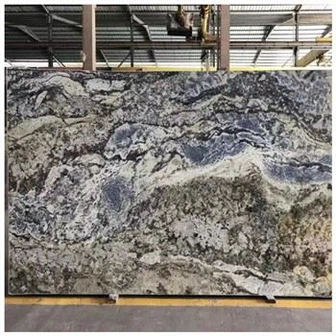
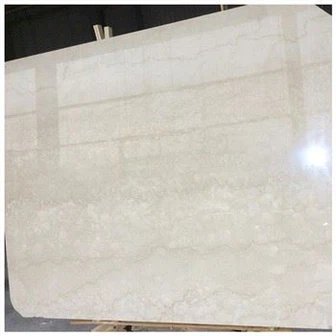
Put a beige marble floor next to a warm brown quartzite floor in a hotel lobby, and the difference does not show in the first month; it shows in the third year. Both read as warm neutrals on a board, but one is a carbonate rock that etches under acidic cleaners and wears under luggage wheels, while the other is a metamorphosed silica stone with a hardness close to quartz and no calcite to attack. This guide is for buyers of hotel stone, and its working example sits inside the Brazilian family of warm brown and sand-toned quartzites sold as Elegant Brown and Elegant Dune.
What the Dune Brown Quartzite Name Does and Does Not Guarantee
The first question I ask when a buyer quotes a brown quartzite name is never about color. A commercial name says where the stone comes from and roughly what it looks like, not what rock type is in the lot: one importer can sell the same region under several names, and two importers can sell the same name from different blocks, so the specification has to carry the details the name leaves out.
Start with the format and finish the name cannot express
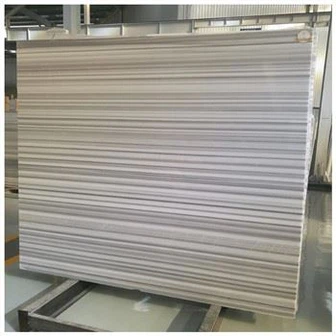
Slabs in the Elegant Dune family we carry at KA UNITED typically run from about 2400 mm in length at widths of 600 to 700 mm, in 20 mm and 30 mm thicknesses, with polished, honed, or brushed faces. If the quote names a color but not the format, thickness, or finish, ask for the full line before you compare prices. Floor-program tiles need the same detail; a calibrated tile is not a slab offcut.
Why genuine quartzite has to be proven on the actual lot
The Natural Stone Institute warns that some stones sold as quartzite are carbonate or dolomitic marble under a quartzite label, and that soft quartzite is a red flag rather than a geological category. The field checks are quick: acid in the 5 to 10% hydrochloric range the industry uses stays inert on quartz and reacts on carbonate, and quartz sits near 7 on the Mohs scale where calcite sits near 3.I run both checks on an offcut from the quoted lot before fabrication starts.
What the bid document should name in writing
Write the order around ASTM C616 for quartz-based dimension stone and require Class III quartzite with a minimum free silica of 95%. Ask for a lot test report covering water absorption under ASTM C97 and compressive strength under ASTM C170, and note that ASTM C1799 treats physical property data older than about three years as needing renewal when the quarry source shifts. A supplier who produces that report for the actual lot is working to a specification; one who forwards a brochure is selling a name.
Warm Brown Quartzite versus Beige Marble in Public-Area Floors
Beige marble gets specified in hotel lobbies because it photographs well, then re-polished on a schedule the owner did not budget for. I open that conversation with the maintenance calendar: specifying dune brown quartzite for a lobby floor is a flooring decision, not a color decision, because the two materials fail differently under the same traffic.


Where the two materials part in service
Marble is calcite-based, so acidic contact dulls the polish and leaves an etch mark no sealer prevents; the damage is chemical rather than porosity, and spills, mineral water, and cleaners with citric acid are a question of frequency. Quartzite has no calcite to attack and a harder face, so it does not etch and loses less gloss under tracked-in grit.
What the acceptance bands in the standards actually say
| Material class | Minimum free silica | Maximum absorption, ASTM C97 | Minimum density | Minimum compressive strength, ASTM C170 | Hotel procurement reading |
|---|---|---|---|---|---|
| Sandstone, Class I | 60% | 8% | 125 lb/ft³ (about 2.00 g/cm³) | 4,000 psi (about 28 MPa) | Porous and soft; keep it off high-traffic floors |
| Quartzitic sandstone, Class II | 90% | 3% | 150 lb/ft³ (about 2.40 g/cm³) | 10,000 psi (about 69 MPa) | Stronger, but grains are not fully fused; verify by test |
| Quartzite, Class III | 95% | 1% | 160 lb/ft³ (about 2.56 g/cm³) | 20,000 psi (about 138 MPa) | The class a genuine quartzite lot should meet |
| Dimension marble, ASTM C503/C503M | Not applicable, calcite or dolomite carbonate | 0.20% maximum | Set by the standard for each class | Not compared here | Tight absorption ceiling, yet still etches under acids |
Source note: class limits for sandstone, quartzitic sandstone, and quartzite follow ASTM C616/C616M; the marble absorption ceiling follows ASTM C503/C503M. Spec ceilings are acceptance minimums, not typical performance, so the lot certificate still matters.
Reading the table the way a buyer should
Marble carries a tighter absorption ceiling on paper than quartzite, yet it is the material that etches and loses gloss first in a lobby. A genuine quartzite lot commonly reports absorption well below the 1% ceiling, often under about 0.3%, but that number belongs on the report for your lot, not in the brochure. Compare certificates before you compare colors.
Planning Brown Tones with Light Vanities, Wood Cabinets, and Lobby Lighting
Dune brown quartzite gets chosen for the same reason beige stone used to: it reads warm among light wood, cream upholstery, and brass details. The risk is different: a brown stone in one dominant surface makes a room feel heavy when every other surface sits in the same caramel register, so the palette needs a lighter plane beside it and one role per sightline.

The tone range inside one commercial name
Slabs under one name range from taupe and sand to deeper brown with grey, beige, or burgundy banding, and the range is wider across blocks than inside one. A floor spreading through a lobby and corridor is a tone budget: drift across the room matters more than the seams between slabs.
Pairing rules that keep a brown room from going heavy
White oak vanities, warm wood cabinets, and cream lacquer fronts are the usual partners for brown stone. The rule I work to is contrast with a shared undertone: keep the vertical cabinetry lighter than the stone, let the wood echo the brown rather than repeat it, and use warm-metal hardware as the neutral bridge. When different teams choose the vanity top and the cabinet front, I approve both against the same slab sample, the only way the two browns stay in one family. KA UNITED's vanity top program is reviewed that way, cabinet color on the same file.
Lighting decides what the approval sample shows
Brown changes more under light than white. I ask buyers to approve their brown quartzite sample twice, in daylight and under the warm lighting the lobby will use, commonly 2700K to 3000K in hospitality work, because low light pulls brown darker and gloss adds reflections a matte face does not. Lean the sample against the actual cabinet door and view it from across the room; a small sample in the hand flatters a stone that can look heavy over thirty meters of lobby floor.
Surface Finish: Polished, Leathered, and Honed on a Brown Face
The same dune brown quartzite slab behaves like a different material in each finish, and the finish is the decision the hotel lives with longest; changing it later means re-polishing installed stone. I choose finishes on a sample panel of the actual lot and match them to the zone before fabrication.

Polished: the deepest brown and the clearest maintenance schedule
A polished face saturates the brown and brings out the banding, and it also shows every smudge, water film, and micro-scratch, because gloss reflects them. Polished dune brown quartzite belongs on reception desks, feature walls, and vanity tops where wiping is consistent and traffic is light. On a lobby floor, high gloss wears at the entry and shows marks under downlights; if the design insists on gloss underfoot, I ask for a slip test on the actual finish first.
Leathered: the finish many Brazilian brown lots are quoted in
Brazilian brown quartzite is frequently listed with a leathered face in slab trade listings, and for good reason: the gentle texture hides smudges and light scratches far longer than gloss, reads quieter across a large floor, and gives the brown a matte depth. The trade-off is cleaning, since dust has somewhere to sit, so the spec should name a soft-brush vacuum and damp mop routine. For a lobby floor or a counter touched all day, leathered is the finish I recommend first.
Honed: flat matte and its wet-area behavior
A honed face removes the gloss without the brushing texture, the cleanest look for light walls and low-reflection floors. On a bathroom vanity it shows water spots more readily than polished or leathered, since no gloss hides the film and no texture breaks it up; pair honed with a wipe-dry habit in the housekeeping manual.
Batch Consistency: Ordering the Whole Lobby from One Family of Blocks
Tone drift between shipments is the complaint I hear most often about brown natural stone, and it is rarely a defect; it is a purchasing sequence problem. A lobby ordered in three tranches across six months can arrive with three block families under one commercial name, and dune brown quartzite is no more immune than any other natural stone.

Why tone drifts between blocks and between shipments
Quarry benches change as blocks are cut, so slabs from different blocks in one family can differ in background tone even when they share a name. Replacement pieces bought later from another importer's stock carry the largest risk, because the block provenance is unknown. The answer is not identical slabs, which natural stone cannot deliver, but a controlled sequence that keeps visible drift inside an agreed range.
The controls that lock the batch before cutting
Start with one approved master sample cut from the actual block family and hold every slab to it. I number the slabs, keep the order on one block group, and ask the factory for a photographed dry lay of the floor layout before processing. Agree the reserve quantity in the same block family when the main order is placed, because matching a small replacement later costs more. Block, slab, and dry-lay photos with numbers visible become the comparison documents at receiving.
Receiving Inspection and the Checks That Protect the Order
When the crates arrive, the receiving check on dune brown quartzite shipments compares the delivery against the approval file, not against memory. I run the sequence in three passes, paperwork, visual comparison, and field tests, before the installer's saw starts.

Paperwork first: certificates, lot numbers, and packing list
Match the material declaration, the C616 class statement, and the C97 and C170 test reports to the lot numbers on the crates and slabs; a certificate that does not name your lot is a document about someone else's stone. Confirm the test data is current under ASTM C1799, check that the finish on the packing list matches the order, and keep the master sample accessible through installation.
Visual checks under two light sources
Open slabs in daylight, then re-check under the warm light of the finished space. Look for tone drift against the master sample, especially across crates, and check for cracks, open fissures, resin repairs, and edge pits, where a polished face can hide a fill that a leathered face reveals. On cut tiles, measure thickness and squareness on a sample across crates; calibration problems travel in batches.
Field tests and the three-step rule when something fails
Run the acid drop on an offcut and compare water-drop behavior against the master sample; both are quick and each answers a different question. If a slab drifts in tone, shows an edge crack, or reacts to acid, I follow three steps: photograph the condition with the crate or slab number in the frame, stop installation of that piece and keep it isolated, then send the photos with the original inspection records to the supplier and compare against the approved sample before any repair product touches the stone.
Frequently Asked Questions About Brown Quartzite for Hotel Projects
1. Is dune brown quartzite actually quartzite, or could it be marble under a trade name?
It should be genuine quartzite, but the name alone does not prove it; carbonate material is sometimes sold under quartzite names. Acid stays inert on quartz and reacts on carbonate, and quartz sits near 7 on the Mohs scale where calcite sits near 3.
2. How is dune brown quartzite different from beige marble in a hotel lobby?
Beige marble is a soft carbonate stone, so acidic liquids etch it and foot traffic dulls the gloss faster. Quartzite is silica-based, resists those acids, and holds a finish longer, which suits floors, reception desks, and bathrooms where marble needs constant attention.
3. Will slabs under one commercial name match in tone across the whole project?
Within one block family the range is usually acceptable, but across blocks, shipments, or importers there is no guarantee, because natural stone varies by quarry bench. Order the full program together, hold every slab to one approved master sample, and buy reserve pieces in the same block family at the same time.
4. Which finish should a hotel choose for a brown quartzite vanity?
Polished is the usual choice for a vanity top: it wipes clean, shows the brown depth, and suits a bathroom's light traffic. Honed shows water spotting and needs a wipe-dry routine; leathered suits heavier daily contact. Approve the choice on a finished sample and put the care note in the housekeeping manual.
5. What documents should arrive with a dune brown quartzite shipment?
The packing list, the material declaration, the C616 class statement, and the lot test report covering C97 and C170 values. Test data should be current under the ASTM C1799 guidance.
Final Conclusion
Dune brown quartzite solves a real hotel problem: warm neutral stone that does not etch, wears slowly, and holds a finish for years. It earns that role only when the name is verified, the tones are controlled across one batch, and the finish matches the zone. Order the test report, approve the sample under real light, and check the crates before the saw starts. That is the standard we work to at KA UNITED, where the quartzite, the vanity tops, and the cabinets are reviewed as one package.
References
- Quartzite, Wikipedia.
- ASTM C616/C616M, Standard Specification for Quartz-Based Dimension Stone, ASTM International.
- ASTM C97/C97M, C170, and C99, Dimension Stone Test Methods for Water Absorption, Compressive Strength, and Modulus of Rupture, ASTM International.
- ASTM C503/C503M, Standard Specification for Marble Dimension Stone, ASTM International.
- ASTM C1799/C1799M, Standard Guide for Dimension Stone Test Specimen Sampling and Preparation, ASTM International.
- Natural Stone Institute, Quartzite Need Not Be a Confusing Stone, technical bulletin (K. Kirk).
- Kansas Geological Survey, Mohs hardness reference for calcite and quartz minerals.