Integrated Sink Faucet Reach For Hotel And Multi-Unit Bathroom Vanities
Integrated Sink Faucet Reach before the Water Stream Meets the Bowl
The faucet can be centered perfectly and still throw water where nobody wants it. I look at the first working vanity and watch the stream hit the pop-up cap, break sideways, and wet the rear deck. Move the outlet a little farther forward and the same stream may land on a smooth slope. Change the bowl depth or aerator and the result changes again.

That is why I treat integrated sink faucet reach as a water-path decision rather than a catalog measurement. The specified faucet, final mounting surface, basin geometry, drain fitting, operating flow, and user hand position must be tested together. A dimension printed beside the spout is only one input.
Table of Contents
- Define where the stream should land
- Read projection and outlet height together
- Match the faucet to the bowl surface
- Protect deck, wall, and handle clearance
- Run a repeatable water test
- Questions before release
Define Integrated Sink Faucet Reach by the Landing Zone
I mark a useful landing zone on the basin section before choosing a hole position. It usually sits far enough from the rear wall to keep handwashing comfortable and far enough from the drain fitting to avoid a hard splash. The exact zone depends on bowl length, depth, slope, outlet, intended flow, and user routine.
A straight line from the spout outlet helps, but water does not always leave as a perfectly vertical rod. The aerator can create a soft column, a laminar stream, a wider pattern, or an angled discharge. Pressure and flow controls can change the shape. I therefore ask for the actual faucet model and outlet insert rather than accepting a similar silhouette.
The user matters too. A guest places hands under the stream, moves them through soap and rinsing, and may rest a toiletry on the deck. Housekeeping wipes the outlet, rear wall, drain, bowl corners, and joint at the backsplash. A basin that behaves when empty may splash once hands interrupt the stream.
| Control point | Record before mock-up | Observe with water | Release concern |
|---|---|---|---|
| Spout projection | Mounting center to outlet center | Where the free stream reaches the bowl | Stream lands on drain cap or steep wall |
| Outlet height | Finished deck to outlet | Splash with empty bowl and hands present | Excess fall breaks water across the basin |
| Aerator or outlet | Exact supplied component and flow setting | Stream shape at normal operation | Prototype uses a different outlet insert |
| Bowl surface | Rim, slope, drain recess and corner radii | Drainage, rebound and residue zones | A flat shelf keeps water after shutoff |
| Rear deck and wall | Base, handle sweep and backsplash clearance | Wiping access around fittings | Handle or cleaning cloth contacts wall |
I do not publish a universal pass dimension for those rows. Faucet design, local water-efficiency requirements, operating pressure, bowl form, top fabrication, accessibility criteria, and room use vary. The project team should use the manufacturer data and applicable requirements, then verify the assembled result.
Read Projection, Outlet Height, and Stream Shape Together
Spout projection usually describes the horizontal distance from a reference at the faucet body to the outlet. It does not automatically equal the distance from the rear edge of the basin to the stream. The mounting hole may sit forward or backward on the deck, and the basin may begin with a curved transition rather than a sharp line.
For integrated sink faucet reach, I dimension the faucet mounting center and outlet center on the same section as the finished bowl. I also identify the front and rear limits of the usable basin floor. That drawing makes it easier to see whether the stream falls on a slope, a drain recess, or a flat ledge.
Outlet height changes the fall of water before it reaches the surface. A tall outlet can improve hand space, yet it can also increase rebound when the landing surface is hard or steep. A low outlet may calm the stream but crowd hands. There is no shortcut here. Install and test it.

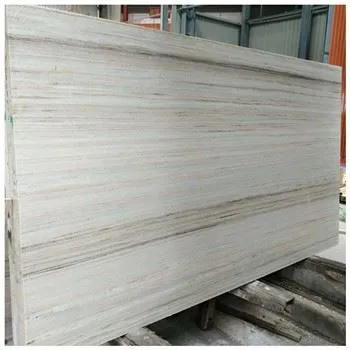
The exact quartzite integrated sink composition adds another reason to test the real surface. Mineral transitions and fabrication details can influence the local shape around the bowl. The water test should use the finished basin rather than an unrelated ceramic sample.
A controlled white crystal quartz integrated sink may make repeated geometry easier to compare, but the faucet still needs a physical release. Consistency of appearance does not prove that the selected stream behaves well.
Match the Water Stream to the Bowl Surface
I read the bowl in sections. The rear wall controls the first contact area. The floor carries water toward the outlet. The drain recess can collect or redirect the stream. The front transition determines whether hand movement pushes water toward the user. Corner radii affect wiping and local residue.
When integrated sink faucet reach is too short, the stream may strike the rear transition while hands occupy the same narrow zone. Water then moves toward the faucet base or side walls. When reach is too long, hands move close to the front edge and the stream may hit the drain fitting directly.
Drain alignment and faucet reach are related but not identical. Integrated Sink Drain Alignment before Repeated Vanity Production follows the outlet and waste assembly through the cabinet. This decision starts above the bowl and asks how water enters before the drain carries it away.
Overflow openings deserve observation during the test. Their position can interrupt the bowl surface or collect residue. The stream should not drive water directly into an awkward overflow detail during normal handwashing. If the basin has no overflow, the project team must understand the selected drain and operational implications.
The word faucet covers many operating and outlet arrangements. A single-handle deck-mounted model, widespread set, wall-mounted spout, sensor faucet, and waterfall outlet create different geometry. The drawing and test report should name the specified model and relevant components.
Protect the Rear Deck, Wall Clearance, and Handle Movement
The faucet cannot be moved forward without affecting the deck. I need enough material and construction around the hole, enough distance from the bowl transition, and enough room behind the body for installation and cleaning. The responsible fabricator sets limits for the actual top construction.
I also check the handle through its complete movement. It may rotate backward, lift, or move sideways. A backsplash, mirror trim, wall panel, or shelf can interfere after installation. The clearance must include the finished wall and sealant joint, not only the structural wall line.
For integrated sink faucet reach, the deck is part of the housekeeping test. A cloth should pass around the base and reach the wall joint without catching on a cramped gap. Water left behind the fitting can darken residue and stress a neglected sealant line even when the bowl itself drains well.
The bathroom vanity top category covers different surface and basin constructions. Each option changes hole fabrication, edge support, cleaning compatibility, and repair planning. I keep the selected model and material together in the mock-up record.
Wall-mounted faucets require another layer of control. The rough-in body sits behind a finished wall whose tile, stone, adhesive, backing, and setting depth can move the visible outlet forward or backward. The trim may allow limited adjustment, but the project cannot assume that adjustment will correct any wall build-up. I dimension the finished outlet position from the final wall plane and compare it with the basin section before closing the wall.
Sensor faucets need the same physical test plus detection review. Hand position, basin reflection, power access, service clearance, automatic shutoff, and flow setting all affect use. For integrated sink faucet reach, a sensor that activates too early or stops while hands remain under the stream can change where water is carried across the deck. The approved mock-up should use the specified sensor configuration and record its settings.
The Hard-Won Lesson: A Centered Stream Can Still Be Wrong
A plan view can place the faucet outlet on the bowl centerline and give everyone a reassuring alignment. The section may tell another story: the drain cap sits directly below the stream, the rear slope is too close to the outlet, and the front half of the bowl offers the only comfortable hand space. Once water and hands enter the test, symmetry stops being the deciding condition.
The Lesson: Approve the landing zone in section and under running water, not from a centerline in plan.
Run a Water Test That Another Team Can Repeat
I start by checking that the mock-up uses the approved faucet, outlet insert, flow controls, basin, drain, and final top height. I record the supply condition and any adjustable setting. A test with a temporary faucet or unrestricted outlet cannot release a different production assembly.
The routine includes running water into an empty bowl, interrupting the stream with hands, washing near the front and rear, opening and closing the control, and wiping the deck. I observe splash beyond the rim, water around the faucet base, standing water, noisy impact on the drain, and access around the fittings.
With integrated sink faucet reach, photographs need a side view that shows the outlet and landing point. A short video can document stream behavior, but it must include the room type, faucet model, flow setting, and mock-up revision. Otherwise the record becomes hard to compare with a later unit.
Bathroom Vanity Water Test before Hotel Handover extends that method beyond the faucet to joints, drainage, cabinet protection, and final room release. Use it after the prototype decision becomes a production standard.
The full parent, Integrated Sink Vanity Top: Bowl Geometry, Drainage, Support, and Replacement, keeps the water test connected to material, cabinet, maintenance, and future replacement. Faucet selection should not escape that package just because it arrives from another supplier.
Where the Faucet Decision Usually Breaks Down
A catalog dimension replaces the assembled section
Catalog data is necessary, but the project must translate it into the finished top. Hole location, deck depth, backsplash, bowl transition, and outlet component change the useful result. I keep the manufacturer drawing beside the project section and note any discrepancy.
The mock-up uses the wrong flow condition
A shop test may use another aerator, another supply setting, or a temporary connection. If the stream differs from the installed project, the splash result is not transferable. Record the actual operating components and settings instead of writing only "water test passed."
A site problem is altered before it is documented
When splash or poor landing appears, first photograph the outlet, stream, bowl, drain, and surrounding wet areas. Second, stop drilling, enlarging holes, or changing more units until the condition is reviewed. Third, send the supplier the faucet model, outlet component, flow setting, room type, drawing revision, and original mock-up record for comparison.
The project releases appearance instead of use
I want the designer to judge alignment and form, the plumbing team to judge installation and operation, housekeeping to judge access, and the fabricator to judge construction. One attractive photograph cannot replace those decisions.
Frequently Asked Questions
1. How is integrated sink faucet reach measured?
Start with the faucet manufacturer's projection reference, then place the mounting center and outlet center on the finished basin section. The project decision depends on where the actual stream lands relative to the rear transition, usable bowl floor, drain, and front edge.
2. Should the faucet stream hit the drain?
Direct impact on a drain cap can create noise and sideways splash, though behavior depends on the outlet, flow, drain form, and bowl geometry. Test the selected assembly. A stream that lands on a controlled slope often behaves more quietly before moving toward the outlet.
3. Does a taller faucet always cause more splash?
No. Outlet height is one factor. Stream shape, flow, landing surface, bowl depth, slope, drain position, and hand movement also matter. A tall faucet can work well with a compatible basin, while a lower outlet can still splash against a steep wall.
4. Can the faucet hole be moved after the top is made?
Moving or enlarging a hole may affect appearance, remaining material, bowl clearance, wall clearance, warranty, and plumbing alignment. Do not treat it as a routine site adjustment. Ask the responsible fabricator and project team to assess the actual construction before alteration.
5. What should be included in an integrated sink faucet reach approval record?
Record the faucet and outlet component, hole position, finished top and bowl drawing, landing point, operating flow condition, drain model, room type, photographs, water-test video, cleaning observation, deviations, revision, and approval status. The record should identify the exact tested unit.
Quick-Reference Checklist for the Faucet Mock-Up
- Install the exact faucet, outlet insert, drain, basin, and deck construction.
- Mark the intended stream landing zone on the finished basin section.
- Check handle movement against the backsplash and mirror zone.
- Run water into the empty bowl and repeat the test with hands present.
- Inspect splash, drain impact, standing water, rear-deck wetting, and wiping access.
- Record the room type, flow condition, component models, and drawing revision.
- Release production only after the tested arrangement matches the project file.
Final Conclusion
Integrated sink faucet reach is approved by the path of real water through a real vanity. Draw the mounting center and outlet in section, identify the intended landing zone, install the specified outlet component, test handwashing and cleaning, and record the operating condition. Do not let a centered symbol or one catalog number release repeated rooms. Here is what I would do: keep the faucet, basin, drain, deck, cabinet, and mock-up record in one KA UNITED package until the stream behaves the way the drawing promised.

References
- NKBA Kitchen & Bathroom Planning Guidelines, National Kitchen & Bath Association.
- NKBA | KBIS 2026 Bath Trends Report, National Kitchen & Bath Association.
- WaterSense Specification for Lavatory Faucets, U.S. Environmental Protection Agency.
- Uniform Plumbing Code, International Association of Plumbing and Mechanical Officials.
- International Plumbing Code, International Code Council.
- ANSI A117.1 Accessible and Usable Buildings and Facilities, International Code Council.
- Dimension Stone Design Manual, Natural Stone Institute.
- Google Search Central: Creating Helpful, Reliable, People-First Content, Google.