Quartz Countertop Production Checklist: Slab Size, Edges, Seams, Cabinets, And Silica Controls
Quick Summary: Quartz countertop production should be checked before fabrication, not after installation problems appear. Confirm slab size, thickness, edge profile, cabinet support, sink and cooktop cutouts, seam placement, and silica-control procedures before the final drawing is approved.
Quartz Countertop Production Checklist: Slab Size, Edges, Seams, Cabinets, And Silica Controls
Quartz countertops are often chosen because they bring consistent color, controlled pattern, and practical surface planning to kitchens, vanities, islands, and commercial counters. That consistency can make a kitchen easier to design, especially when the cabinets, backsplash, and floor already have their own color and texture. But a quartz countertop is not simply a slab placed on cabinets. It is a fabricated surface, and fabrication details decide whether the finished counter looks clean, fits correctly, and performs as expected.

For KA UNITED, this article connects the quartz stone, quartz countertops, quartz slabs, kitchen countertop, and kitchen cabinet categories. The goal is practical: before production begins, the surface, cabinets, wall conditions, cutouts, and safety controls should all be reviewed together.
Quartz production also needs a responsible safety conversation. CDC, NIOSH, and OSHA guidance has repeatedly addressed respirable crystalline silica exposure during countertop manufacturing, finishing, and installation. The finished countertop in a kitchen is not the same as the fabrication environment, but the project should still ask whether cutting, grinding, and polishing are handled with proper controls. A good countertop plan should cover appearance, fit, and fabrication practice in the same process.
For a broader comparison of quartz, quartzite, marble, granite, and sintered stone, review the kitchen countertop material guide before confirming cabinet color, backsplash layout, edge profile, and countertop surface.
1. Start With The Cabinet Plan Before Approving The Slab
The cabinet layout is the base for the countertop. If the cabinet run is not confirmed, the quartz slab cannot be planned accurately. Cabinet depth, support panels, appliance openings, island size, end panels, and wall alignment all affect countertop dimensions. A countertop that is correct on paper can still look wrong if cabinet lines move after the template is made.
Before quartz production begins, confirm the cabinet style and installation status. A frameless cabinet, face-frame cabinet, floating vanity, waterfall island, and pantry counter each needs a different support discussion. Long overhangs, seating areas, and corner spans require special attention. If the cabinet shop and countertop fabricator work from different drawings, the risk of mismatch increases.
KA UNITED's cabinet and kitchen cabinet pages are useful in this stage because cabinet finish, door style, and panel layout affect the countertop edge and color choice. A thick edge may suit a simple island better than a narrow galley counter. A waterfall side may look clean with flat-panel cabinets but awkward if the cabinet door pattern is already strong. The surface and cabinets should be checked as one system.
2. Confirm Quartz Slab Size, Thickness, And Pattern Direction
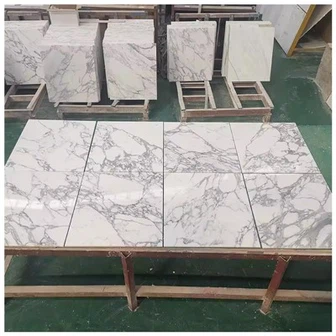
Quartz slab size matters because it controls seam placement, island coverage, backsplash options, and waste. The surface may look consistent, but the project still needs to know whether the required island or counter run can be cut from the available slab size. If the kitchen uses a large island, waterfall sides, or a matching backsplash, slab planning should be done before final approval.
Thickness affects edge profile and visual weight. A thinner top can look modern, while a thicker built-up edge can make the island feel more substantial. The right choice depends on cabinet style, countertop span, appliance openings, and design preference. Thickness should not be chosen only from a sample display; it should be checked against the actual room and cabinet drawings.
Pattern direction is also important. Some quartz colors are quiet and nearly uniform. Others imitate marble veining or stone movement. A directional pattern should be laid out before cutting, especially around islands, seams, waterfalls, and full-height backsplashes. If a quartz pattern continues from counter to wall, the layout needs more attention than a standard perimeter counter.
When reviewing quartz slabs, the project team should confirm color name, slab dimensions, finish, thickness, pattern direction, and whether the same batch or lot is needed for multiple surfaces. These details prevent later arguments about tone variation or seam appearance.
3. Plan Edge Profiles Around Use, Not Only Appearance
The edge profile changes both the look and daily use of a quartz countertop. A simple eased edge can suit modern kitchens and make cleaning straightforward. A beveled edge adds a slight shadow line. A thicker mitered edge can make an island feel more substantial. Decorative edges can work in traditional kitchens, but they may not suit every cabinet style.
Edge decisions should consider cabinet doors, hardware, seating, appliance clearances, and cleaning habits. A thick edge on a small counter can feel heavy. A sharp-looking modern edge may still need a slight radius for comfort and durability. A waterfall side requires extra layout planning because the edge becomes part of the vertical surface.
For kitchens with children, rental use, or heavy daily cooking, edge practicality matters. Corners, island ends, and high-traffic areas should be reviewed. A countertop is touched constantly. The edge should look good, but it also needs to feel appropriate in daily use.
4. Sink, Cooktop, Faucet, And Outlet Cutouts Need Exact Coordination
Cutouts are where many countertop mistakes appear. Sink openings, cooktop openings, faucet holes, soap dispensers, pop-up outlets, and appliance details all need exact confirmation. If the sink model changes after cutting, the countertop may no longer fit. If the faucet hole is not coordinated with the sink rim, backsplash, or window ledge, the installation can become awkward.
Cooktop openings require careful attention to manufacturer specifications, support, clearances, and heat conditions. The countertop fabricator should not guess. The appliance model should be confirmed, and the installation drawing should be used. The same rule applies to undermount sinks, farmhouse sinks, and integrated drainboard details.
For kitchens with slab backsplashes, outlet positions should also be planned. A quartz backsplash may need cutouts for sockets and switches. Those openings can affect the visual line of the slab, especially if the quartz has veining. Outlet grouping, under-cabinet outlet strips, or appliance garage placement may help keep the surface cleaner, while still following local electrical requirements.
5. Seam Placement Should Be Decided Before Cutting
A seam is not always a problem. A poorly placed seam is. Seam location depends on slab size, room shape, cabinet support, pattern direction, installation access, and handling limits. A seam near a sink, corner, or strong veining area can become more visible. A seam placed in a natural break, cabinet line, or low-visibility area can be easier to accept.

Quartz with subtle color may hide seams better than a strong marble-look pattern. If the quartz has directional veining, the seam should be reviewed with a layout drawing. For islands, large L-shaped kitchens, and countertop-to-backsplash designs, seam planning should happen before production starts. Waiting until installation day is too late.
Seam expectations should be discussed clearly. The goal is a neat, stable seam, but no project should promise that a seam will disappear completely. Lighting, surface color, pattern, and viewing angle all affect visibility. A realistic discussion before production usually prevents disappointment later.
6. Fabrication Safety: Why Silica Controls Belong In The Conversation
Quartz countertop fabrication can create respirable crystalline silica dust during cutting, grinding, drilling, or polishing. CDC, NIOSH, and OSHA have all published guidance on silica exposure in countertop work. The concern is the fabrication environment, where workers may be exposed if dust is not controlled properly.
This does not mean quartz should be removed from every kitchen plan. It means responsible production matters. Wet methods, local exhaust ventilation, dust collection, proper respiratory protection, worker training, housekeeping, and exposure monitoring are part of a serious fabrication program. A countertop surface should not be treated only as a design item if production safety is ignored.
When asking for a quartz countertop quotation, it is reasonable to ask how cutting and finishing will be handled. The answer does not need to be decorative. It should be practical. Does the workshop use wet cutting where appropriate? Are dust controls in place? Are workers trained for silica-containing materials? Are cutouts and finishing performed by qualified staff? These questions help separate professional production from careless processing.
For KA UNITED articles, safety language should be clear and balanced. The finished countertop in the kitchen is not the same exposure condition as the fabrication shop. The article should not create unnecessary alarm. It should explain why responsible fabrication matters before the surface reaches the room.
7. Quartz Production Checklist
| Item To Confirm | Why It Matters | What To Check |
|---|---|---|
| Cabinet layout | Controls countertop dimensions, support, and overhangs | Final cabinet drawings, appliance openings, island dimensions, and wall alignment |
| Slab size and thickness | Affects seam placement, edge profile, and large island coverage | Slab dimensions, finish, thickness, batch, and pattern direction |
| Edge profile | Changes appearance, comfort, cleaning, and island weight | Eased edge, bevel, miter, waterfall side, radius, and corner treatment |
| Cutouts | Incorrect openings can delay or damage installation | Sink, cooktop, faucet, outlet, dispenser, and appliance specifications |
| Seams | Visible seams can affect the finished appearance | Seam location, pattern match, lighting, support, and installation access |
| Silica controls | Fabrication can create respirable crystalline silica dust | Wet methods, ventilation, dust collection, training, and protective equipment |
8. What To Send Before Production Review
A quartz countertop review is more accurate when the supplier receives complete project information instead of a general color request. The first document should be the cabinet plan. It should show base cabinet runs, island dimensions, appliance positions, wall returns, pantry counters, and any panels that affect countertop support. If the cabinets are not yet installed, the drawing should still show the intended layout clearly.
The second item is the surface requirement. Include the quartz color direction, preferred finish, planned thickness, edge profile, and whether the same material will be used for the backsplash or side panels. If the design includes a waterfall island, a full-height backsplash, or a long uninterrupted counter, mention that early. These details affect slab count, seam planning, and pattern direction.
The third item is the appliance and fixture list. Sink model, faucet model, cooktop model, range size, pop-up outlet, soap dispenser, and under-counter appliance details can all affect cutouts. A missing appliance specification can delay production or create a cutout that does not match the final installation.
The fourth item is site information. Wall condition, elevator access, stair access, island location, cabinet installation status, and installation floor can affect handling. A large quartz island may require different transport planning than several smaller counter sections. If the project is a remodel, old wall conditions and uneven corners should be checked before final fabrication.
Clear production information saves time because the surface plan becomes more than a color selection. It becomes a buildable countertop package. KA UNITED can review quartz color, slab size, countertop layout, cabinet fit, and edge planning together when the project information is complete.
9. Related Kitchen Surface Guides
10. FAQ of Quartz Countertop
1. What should be confirmed before quartz countertop fabrication starts?
Confirm the cabinet layout, slab size, thickness, edge profile, sink and cooktop cutouts, faucet holes, seam placement, backsplash plan, and installation access. The appliance models and sink specifications should be final before cutting begins. It is also important to ask how the fabricator controls dust during cutting and finishing because quartz production can involve silica-containing material.
2. Why does cabinet installation affect quartz countertop accuracy?
Cabinets form the support and measurement base for the countertop. If cabinet depth, island size, wall alignment, or appliance openings change after templating, the quartz may not fit correctly. Countertop dimensions, overhangs, seams, and edge details should be checked against final cabinet drawings and, when possible, verified after cabinet installation.
3. Are seams always visible in quartz countertops?
Seams are sometimes necessary, especially in large islands, long counters, and L-shaped kitchens. Their visibility depends on quartz color, pattern direction, lighting, seam placement, and installation quality. Subtle quartz colors may hide seams better than strong veined patterns. The seam plan should be reviewed before cutting, not left for installation day.
4. Is quartz countertop fabrication a silica safety concern?
Quartz countertop fabrication can create respirable crystalline silica dust when the material is cut, ground, drilled, or polished. The concern is mainly the workshop and installation environment, not the finished countertop in normal kitchen use. Responsible fabrication should include dust-control methods such as wet processing, ventilation, collection systems, training, and protective equipment where required.
5. How does edge profile affect a quartz kitchen countertop?
The edge profile affects appearance, comfort, cleaning, and how heavy the countertop looks. A simple eased edge often works well in modern kitchens. A mitered edge can make an island look thicker and more substantial. Decorative edges may suit traditional cabinets but can look too busy in a small or minimal kitchen. Edge choice should match cabinet style and daily use.
11. Final Conclusion
A quartz countertop project is strongest when fabrication details are confirmed before cutting begins. Slab size, thickness, pattern direction, edge profile, cutouts, seam placement, cabinet support, and safety controls all affect the finished kitchen. A clean design on paper can still fail if these practical details are treated as afterthoughts.
KA UNITED's quartz countertop, quartz slab, kitchen countertop, and cabinet categories should be reviewed together so the surface fits both the room and the production process. Good quartz planning is not only about color. It is about making the countertop fit the cabinets, work with the backsplash, and move through fabrication responsibly.

Ask KA UNITED For Quartz Countertop Planning Support
Send the cabinet drawing, countertop dimensions, preferred quartz color, sink and cooktop models, backsplash plan, and edge preference. KA UNITED can help compare quartz slab options and surface details before production begins.
References
- Respirable Crystalline Silica Standard for General Industry, Occupational Safety and Health Administration, OSHA Safety and Health Guidance.
- Silicosis in Countertop Fabrication Workers, National Institute for Occupational Safety and Health, Centers for Disease Control and Prevention, CDC / NIOSH Guidance.
- Worker Exposure to Silica during Countertop Manufacturing, Finishing and Installation, OSHA and NIOSH, CDC / NIOSH Numbered Publications.
- Engineered Stone and Silicosis, National Institute for Occupational Safety and Health, Centers for Disease Control and Prevention, CDC / NIOSH Bulletin.
- NKBA / KBIS 2026 Kitchen Trends Report, NKBA Research Team, National Kitchen & Bath Association, NKBA Research.
- Quartz Surface Fabrication Guidance, Natural Stone Institute Technical Resources, Natural Stone Institute.
- Countertop Safety and Silica Exposure Reporting, Safety+Health Editorial Team, National Safety Council, Safety+Health Magazine.
- Kitchen Countertop Planning and Installation Guidance, Editorial Staff, Kitchen & Bath Design News, Industry Design Coverage.