Quartz, Quartzite, Or Sintered Stone For 2026 Kitchens: Matching Countertops With Cabinets
Quick Summary: Quartz countertops are a strong choice when a kitchen needs consistent color, predictable slab matching, and easy coordination with cabinet finishes. Quartzite countertops suit kitchens that need natural movement and a premium stone appearance, while sintered stone works well for large-format backsplashes, wall panels, and modern countertop-to-wall designs.
Quartz, Quartzite, Or Sintered Stone For 2026 Kitchens: Matching Countertops With Cabinets
Kitchen surfaces are being planned more carefully in 2026. A countertop is no longer selected only as a horizontal worktop. It may connect to a full-height backsplash, wrap down a waterfall island, sit beside warm wood cabinets, or continue visually into a bathroom vanity or dining surface. That wider role changes the way quartz, quartzite, and sintered stone should be compared.
KA UNITED works across kitchen countertop, quartz stone, luxury stone, sintered stones, and kitchen cabinets. That product mix makes one question especially important: how should a surface be selected when the cabinet finish, countertop edge, backsplash area, and long-term maintenance all need to work together?
For a broader comparison of quartz, quartzite, marble, granite, and sintered stone, review the kitchen countertop material guide before confirming cabinet color, backsplash layout, edge profile, and countertop surface.

Recent kitchen trend reporting gives a useful starting point. The NKBA / KBIS 2026 Kitchen Trends Report points to continued strength in neutral palettes, with statement color often appearing in islands and backsplash zones. Design coverage in 2026 also shows growing interest in quartzite as a natural-stone option for kitchens, especially where a room needs the veining associated with marble but a more durable daily-use surface. At the same time, CDC and NIOSH guidance keeps engineered-stone fabrication safety in view, especially where cutting and finishing can create respirable crystalline silica exposure during workshop operations.
These trends do not mean every kitchen should use the same surface. They mean the material decision needs to be more specific. A quiet quartz countertop can make a cabinet layout feel organized. A warm quartzite island can give a kitchen natural depth. A sintered stone backsplash can turn a plain wall into a clean, large-format surface. The right choice depends on how the kitchen will be used, how much pattern the room can handle, and how the surface will be fabricated and installed.
1. Why Countertop Selection In 2026 Starts With The Whole Kitchen
Many kitchen mistakes begin with a single sample. A countertop sample may look attractive on its own, but the finished kitchen includes cabinet doors, floor color, lighting, wall surfaces, appliances, edge profiles, and seam placement. A stone with strong movement can look refined in a large open kitchen and overwhelming in a narrow room. A quiet quartz can look clean beside wood cabinets and plain beside flat white doors. A sintered stone panel can look precise on a wall, but only if outlets, seams, and panel dimensions are planned early.
This is why cabinet coordination should come before final surface approval. Cabinet color controls how much movement the countertop can carry. Door style controls how calm or detailed the surface should be. A shaker cabinet can support a different countertop than a handleless lacquer cabinet. Warm wood, matte white, deep gray, cream, and muted green each change the way stone color reads in the room.
The current preference for warmer neutrals makes this process even more important. Warm neutrals can be forgiving, but they are not all the same. A beige quartz surface, a creamy quartzite slab, and a pale sintered stone panel can each look warm, yet they behave differently under lighting. Quartz tends to offer more controlled color. Quartzite carries natural variation. Sintered stone can provide large-format consistency across walls and counters. Those differences matter once the surface is placed beside cabinet doors and lighting.
A practical selection process should start with the cabinet finish, then the countertop, then the backsplash, then the edge and fabrication details. This order prevents the kitchen from becoming a collection of good-looking individual choices that do not work together.
2. Quartz Countertops: When Consistency Matters Most
Quartz is often the safest direction when a kitchen needs controlled color and repeated surface areas. Because engineered quartz is manufactured, it can usually provide more predictable background color and pattern consistency than natural stone. This is helpful for apartment renovations, cabinet showrooms, multi-unit kitchens, and family kitchens where the surface needs to be attractive without becoming the loudest part of the room.
KA UNITED's quartz countertops are useful when the cabinet layout already has visible detail. Shaker doors, wood-grain panels, framed cabinet fronts, or dark painted cabinets may not need a heavily veined surface. A controlled quartz color can let the cabinet finish stay central while still giving the counter a clean stone look.
Quartz is also practical when the same surface needs to appear across several kitchen zones. A kitchen may have a back counter, island, pantry counter, and small coffee station. A consistent quartz pattern can tie these areas together. With natural stone, this type of visual continuity is possible, but it requires more careful slab selection, vein direction planning, and approval of the actual material before cutting.
For cabinet pairing, quartz works well in three common directions. First, soft white or light gray quartz can support warm wood cabinets without competing with the grain. Second, beige or cream quartz can help a white kitchen feel less cold. Third, darker quartz can work with simple flat-panel cabinets where the room needs stronger contrast. The key is to avoid forcing the countertop to carry every design idea at once.
Quartz also deserves a fabrication note. Engineered stone can contain a high percentage of crystalline silica, and fabrication activities such as cutting, grinding, and polishing require proper controls. The finished countertop in a home is not the same as the fabrication environment, but a responsible countertop project should still ask how the surface will be processed. Wet methods, ventilation, dust collection, and qualified workshop procedures belong in the planning conversation.
For kitchens where quartz is the primary option, KA UNITED's quartz slabs category is also relevant. Slab size, thickness, pattern direction, and edge profile should be reviewed before the final cabinet layout is locked.
3. Quartzite Countertops: When Natural Movement Is The Main Design Feature
Quartzite is often selected when a kitchen needs a natural stone surface with more movement than quartz. It can give an island, backsplash, or long countertop run the depth that comes from natural veining. In current design discussions, quartzite is often compared with marble because it can offer a similar sense of natural pattern while generally being better suited to active kitchen use than many softer marbles.
That does not mean all quartzite should be treated the same. Natural quartzite varies by slab. Color, mineral pattern, porosity, resin treatment, finish, and fabrication method can affect how the surface performs and how it should be maintained. Some stones sold under quartzite-related names may behave differently from very dense quartzite. For that reason, the final selection should be based on current slab photos, samples where possible, and a clear conversation about sealing and care.

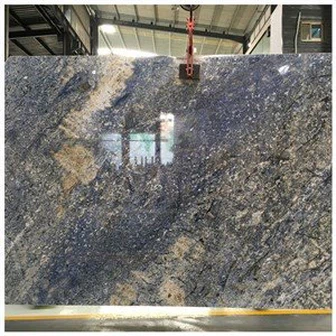
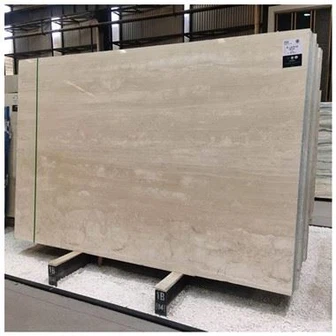
KA UNITED's Champagne Quartzite Countertops are relevant for kitchens using warm neutrals, white oak, cream cabinets, beige floor tile, or brushed metal hardware. This type of quartzite can soften a kitchen without making it look flat. For stronger visual impact, KA UNITED's Patagonia Extra Quartzite and Pink Patagonia Quartzite can support island and feature-wall designs where the stone is meant to be noticed.
The cabinet pairing must be handled with restraint. A highly figured quartzite needs calmer surroundings. Flat-panel cabinets, simple hardware, and a quiet backsplash can help the slab feel intentional. A softer quartzite can work with more detailed cabinet doors or wood finishes. If the cabinet color is already strong, the quartzite should be reviewed in larger images, not just small cropped samples.
Quartzite also benefits from early layout planning. If a slab has strong directional veining, the island, sink run, and backsplash should be planned together. Vein direction, seam location, waterfall sides, and edge build-up can change the final look. A kitchen may use one quartzite slab as the island feature and a quieter quartz or sintered stone on the perimeter counters. That combination can keep the room balanced while still giving the design a natural focal point.
4. Sintered Stone: When The Countertop Needs To Continue Onto The Wall
Sintered stone becomes especially useful when the design extends beyond the countertop. Full-height backsplashes, wall panels, waterfall islands, and integrated surfaces all require a material that can be planned across larger areas. In these cases, sintered stone can provide a clean large-format look and more predictable visual control than many natural slabs.
A sintered stone surface can imitate marble, concrete, limestone, or a quiet solid color. It can be used when the kitchen needs a thin visual profile or a consistent panel effect from counter to wall. This is useful in modern kitchens with handleless cabinets, soft neutral doors, and simple hardware. The surface can become part of the architecture rather than a separate decorative layer.
The advantage of sintered stone is not only appearance. It can simplify the visual connection between countertop and backsplash when the project wants fewer grout lines and a more continuous surface. It can also help when the kitchen needs a stone look but the design team wants more control over color and pattern. However, large-format work needs careful planning. Panel size, cutouts, outlet locations, sink openings, cooktop openings, edge treatment, transport, and installation sequence all need to be discussed before production.
Cabinet color changes how sintered stone should be selected. With warm wood cabinets, a pale marble-look panel can brighten the room. With white or cream cabinets, a slightly warmer sintered stone can keep the kitchen from feeling sterile. With dark cabinets, a lighter sintered surface can reduce visual weight. If the cabinet color is already dramatic, the wall panel should usually stay quieter.
Sintered stone is not a replacement for every quartz or quartzite project. It is strongest when the kitchen design needs large-format continuity, controlled pattern, and careful wall integration. For countertop-only kitchens where a simple repeatable surface is needed, quartz may be more direct. For a natural stone island with strong veining, quartzite may be more expressive.
5. How Cabinet Style Changes The Surface Decision
Cabinets are the background against which the countertop is judged. The same stone can look calm, busy, expensive, or mismatched depending on the cabinet finish. That is why KA UNITED's cabinet and kitchen cabinet categories should be considered together with countertop materials.
White cabinets give the most flexibility, but they can also make a surface look colder than expected. A warm quartz, beige quartzite, or soft marble-look sintered stone can prevent the room from feeling flat. Wood cabinets need more careful undertone matching. A golden wood may not work with every gray surface. A pale oak door may pair better with cream, taupe, or warm white materials. Dark cabinets often need a lighter surface or a strong lighting plan, otherwise the kitchen can feel heavy.
Door style also matters. Shaker doors already create shadow lines, so the countertop does not always need strong veining. Flat-panel cabinets can handle a more expressive surface because the doors are quieter. Lacquered cabinets can reflect light, which changes how polished quartz or quartzite appears. Matte cabinets often pair well with surfaces that have subtle movement rather than heavy gloss.
Before final approval, the countertop sample should be viewed with the cabinet door, floor sample, wall color, and lighting condition. If the project includes a full-height backsplash, the vertical surface should also be reviewed. A small sample is not enough for strongly veined quartzite or large-format sintered stone. Full-slab photos and layout drawings are much safer.
6. Comparison Table: Quartz, Quartzite, And Sintered Stone For Kitchen Planning
| Material | Best Kitchen Use | Cabinet Pairing | Planning Notes |
|---|---|---|---|
| Quartz | Consistent counters, repeated kitchen areas, clean color schemes | Shaker, lacquer, flat-panel, and wood-look cabinets where controlled color matters | Review slab size, thickness, edge profile, seam placement, and fabrication safety controls. |
| Quartzite | Natural stone islands, premium counters, statement slabs with real veining | Simple cabinet doors, warm wood, soft white, taupe, or restrained painted finishes | Review current slab photos, finish, sealing expectations, and vein direction before cutting. |
| Sintered Stone | Countertop-to-backsplash continuity, large wall surfaces, thin-profile modern kitchens | Minimal cabinets, handleless doors, warm neutrals, and clean contemporary layouts | Plan panel dimensions, seams, cutouts, transport, and installation sequence early. |
7. Full-Height Backsplashes Make Material Selection More Important
A full-height backsplash changes the countertop decision because the surface becomes part of the wall. A material that looks subtle on a small counter sample may look much stronger across a vertical area. A pattern that feels elegant on an island may feel too active behind open shelving or dark cabinets. This is why backsplash planning should happen before the countertop is ordered.
Quartz can work for a coordinated countersplash when color repeat, slab size, and fabrication details support the design. Quartzite can create a beautiful wall feature, but seam placement and vein direction need close attention. Sintered stone can be practical when the wall needs a large-format stone effect with fewer visual breaks.
For kitchens with wall cabinets, open shelves, or visible range hoods, the backsplash surface should be tested against the cabinet finish. A dark cabinet run may need a lighter wall panel. A light cabinet run may benefit from a warmer surface. If the backsplash reaches the ceiling, lighting should also be reviewed because polished or reflective surfaces can change under task lights.
A countertop and backsplash do not always have to match. In many kitchens, the best result comes from using one surface as the quiet base and another as the feature. A quartz perimeter counter with a quartzite island can work well. A sintered stone backsplash with a controlled quartz countertop can also work. The important point is to decide which surface is leading the design.
8. Fabrication And Safety Questions Should Be Part Of The Surface Choice
Countertop planning should include fabrication questions, not only color and price. Engineered stone and other silica-containing materials can create respirable crystalline silica dust during cutting, grinding, and polishing if the work is not controlled properly. CDC and NIOSH have continued to publish safety information on this issue, especially for countertop manufacturing and installation environments.
This does not mean quartz should be avoided in every kitchen. It means the project should work with qualified fabrication processes and ask the right questions. How will cutting be performed? Are wet methods used? How is dust collected? Are workers trained and protected? How are sink and cooktop openings handled? These questions are part of responsible specification.
Natural quartzite and sintered stone also require proper fabrication. Hard natural stone can be difficult to cut and finish. Large sintered panels can be fragile during handling if the wrong support method is used. A surface that looks strong in the finished kitchen still depends on accurate templating, cutting, edge finishing, transport, and installation.
For KA UNITED projects, material selection should therefore include drawings, measurements, cabinet details, surface preference, and intended application. The countertop cannot be separated from the production process.
9. Practical Selection Checklist Before Final Approval
- Confirm the cabinet color, door style, finish, and hardware before choosing a strong countertop pattern.
- Review the surface next to cabinet, floor, wall, and lighting samples rather than looking at the countertop alone.
- Ask for current slab photos when selecting quartzite or other natural luxury stones.
- Check whether the same surface will continue into the backsplash, island side panel, vanity, or wall area.
- Discuss slab size, thickness, edge profile, sink cutout, cooktop opening, and seam placement before fabrication.
- For engineered surfaces, ask how cutting and finishing dust will be controlled during fabrication.
- Confirm cleaning and sealing expectations before final material approval.
- Choose product-category links and material references that match the actual surface being discussed.
Related Kitchen Surface Guides
For more countertop and cabinet planning, review KA UNITED's kitchen countertop options, quartz slabs, quartz countertops, sintered stone surfaces, and kitchen cabinets. These pages help connect surface selection with cabinet layout, color direction, slab size, and room function.
10. FAQ of 2026 Kitchen Countertops
1. Is quartz or quartzite better for kitchen countertops in 2026?
Quartz is often better when the kitchen needs consistent color, predictable slab matching, and a clean surface that works across several counter areas. Quartzite is often better when the kitchen needs natural stone movement, deeper veining, and a more individual slab appearance. The choice depends on cabinet color, maintenance expectations, layout size, and whether the countertop should be quiet or become the main design feature.
2. When should a kitchen use sintered stone instead of quartz?
Sintered stone is a strong option when the surface needs to continue from the countertop to a full-height backsplash, wall panel, waterfall island, or other large-format area. Quartz is usually more direct for consistent countertop runs, while sintered stone can be more suitable for modern kitchens that need thin profiles, controlled stone-look patterns, and fewer visual breaks on vertical surfaces.
3. Does quartzite need sealing for kitchen use?
Many quartzite countertops are sealed, but the exact requirement depends on the specific slab, finish, porosity, and fabrication process. Some quartzites are dense, while others sold under quartzite-related names may perform differently. Before final approval, review current slab photos, ask about sealing expectations, and confirm cleaning guidance with the supplier or fabricator.
4. How do cabinet colors affect countertop material selection?
Cabinet color changes how bold or quiet the countertop should be. White or cream cabinets can pair well with warm quartz, beige quartzite, or soft sintered stone. Wood cabinets usually need careful undertone matching. Dark cabinets often work better with lighter or more controlled surfaces. Strongly veined quartzite usually needs simpler cabinet doors and quieter hardware to avoid visual clutter.
5. What information should be prepared before asking KA UNITED for a countertop recommendation?
Prepare the cabinet style, approximate countertop dimensions, room type, preferred color range, surface material under consideration, backsplash plan, and any available drawings. If the design includes an island, waterfall side, vanity, or full-height backsplash, include those details as well. This information helps KA UNITED suggest quartz, quartzite, or sintered stone options that fit the actual layout.

Final Material Notes For Kitchen Planning
How The Surface Should Be Chosen
Start with the cabinet finish, room size, backsplash plan, and daily-use needs. Then choose the surface that fits those conditions rather than selecting the most dramatic slab first.
Why The Cabinet And Countertop Must Be Reviewed Together
The cabinet color controls how the countertop pattern reads in the finished kitchen. A surface that looks refined beside flat-panel cabinets can feel too active beside detailed doors or strong wood grain.
What Each Material Does Best
Quartz brings consistency, quartzite brings natural movement, and sintered stone helps when a large-format wall or backsplash surface needs to coordinate with the countertop.
Options Worth Comparing
Compare quartz for repeatable color, quartzite for natural veining, and sintered stone for wall continuity. If the kitchen includes a statement island, consider whether one feature surface and one quieter perimeter surface will create a better balance.
Considerations Before Production
Confirm slab size, edge profile, seam placement, cutouts, surface finish, cleaning expectations, and fabrication controls before the material is approved. These practical details often decide whether a countertop performs as well as it looks.
References
- NKBA / KBIS Releases Annual 2026 Kitchen Trends Report, NKBA Research Team, National Kitchen & Bath Association, NKBA / KBIS Press Release.
- NKBA / KBIS 2026 Kitchen Trends Report, NKBA Research Team, National Kitchen & Bath Association, NKBA Research.
- Engineered Stone and Silicosis, National Institute for Occupational Safety and Health, Centers for Disease Control and Prevention, CDC / NIOSH Bulletin.
- Worker Exposure to Silica during Countertop Manufacturing, Finishing and Installation, OSHA and NIOSH, CDC / NIOSH Numbered Publications.
- Designers Say This Stone Trend Could Soon Outshine Marble, Good Housekeeping Editorial Team, Good Housekeeping, Home Design Trends.
- Outdated Kitchen Backsplash Trends Designers Just Are Not Choosing for 2026, Livingetc Editorial Team, Livingetc, Kitchen Design Advice.
- Crystalline Silica, Respirable Crystalline Silica Health Guidance, Occupational Safety and Health Administration, OSHA Safety and Health Topics.
- Kitchen and Bath Surface Trend Reporting, Editorial Staff, Kitchen & Bath Design News, Industry Design Coverage.
Ask KA UNITED For A Surface And Cabinet Match
A countertop decision is clearer when the cabinet finish, surface material, slab size, and wall plan are reviewed together. KA UNITED can help compare quartz, quartzite, and sintered stone options for kitchens, vanities, islands, and full-height backsplashes. Send the cabinet style, countertop dimensions, preferred color direction, room type, and backsplash plan to request a practical material suggestion.