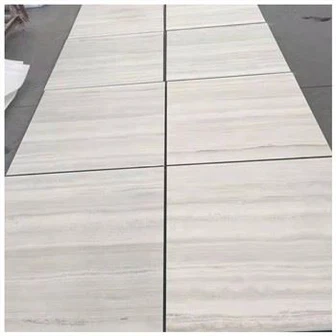
The beauty of the combination of marble curtain wall and light and shadow!
Why Marble Curtain Walls and Light Belong Together
I have spent enough evenings walking past buildings to know that marble changes completely once the sun goes down. In daylight it is a calm, self-contained surface. At night it becomes whatever the lighting makes it, and the difference between a wall that glows and a wall that just looks lit is decided long before the first fixture is wired. That decision is about planning, and it is the reason I treat marble and light as one material problem instead of two trades that happen to meet on the same elevation.
What makes the combination worth getting right is that marble responds to light in a way painted or plastered surfaces do not. The stone has depth, not just a face. It carries veins that run through the thickness, crystals that catch light at slightly different angles, and a polished or honed finish that decides whether the surface throws the light back or lets it sink in. When the lighting is planned around those qualities, the wall reads as a single, deliberate composition. When it is not, you get hot spots, glare, and a lot of money spent on stone that nobody can actually see.
None of this is automatic. A marble curtain wall is heavy, it is difficult to work, and every slot, groove, and blocking detail has to be coordinated while the panels are still being fabricated. The good news is that the principles are not complicated. They are just specific, and the specificity is what I want to lay out here in the order the work actually happens on a facade.
What Light Actually Does to a Marble Surface
Before you can place a fixture well, you have to understand what the light is going to hit. Marble is not a flat white card. It is a mineral surface with grain, and the way that grain reads depends on the direction and color of the light that strikes it.
Veining and Translucency
The first thing to accept is that some marble lets light into it. The stone is not opaque the way a painted panel is, and a thin slab backlit from behind will show its veins as glowing lines rather than dark ones. On a curtain wall, this matters in two ways. It means a well-placed grazing light will make the veining stand up off the surface, and it means a light source that is too direct will wash the veins out and flatten the whole panel into a uniform sheet. The goal is the first effect, never the second.
I have seen the same slab look rich under one fixture and lifeless under another, with nothing changed except the angle of the light. The veins are the fastest tell. When they read as fine dark lines with a soft edge, the lighting is doing its job. When they disappear, the light is probably hitting the wall straight on, and that is usually the moment to move the source closer to the surface and let it graze.
Finish Decides the Reflection
The surface finish is the second variable, and it is one people skip because they only look at the stone in the showroom. A polished marble face is reflective, which means any visible light source near it can show up as a reflection point, a bright smear that pulls your eye to the fixture instead of the stone. A honed or textured face scatters light and hides those reflections far better, but it also mutes the sparkle that polish is bought for. The finish and the lighting have to be decided together, because a polished wall and a poor lamp layout will show every single mistake twice.
Color Temperature Shifts the Stone
Then there is the color of the light itself. Marble is rarely pure white. Most of it carries warm creams, soft greys, or cool blue undertones, and the color temperature of the lamp will push those undertones one way or the other. A warm source in the 2700 to 3000 kelvin range tends to bring out the golden and cream tones and makes a marble wall feel soft and residential. A cool source of 4000 kelvin and above flattens the warmth and can make the same stone look cold and grey. I default to warm light on marble unless there is a specific reason not to, because it is the range that most flatters natural stone.
The Main Ways Light Meets a Marble Wall
There are a handful of standard approaches for lighting a marble curtain wall, and most facades use more than one at the same time. Each one has a job, and each one has a failure mode that is easy to avoid once you know what it is.
Top and Bottom Spotlights
The classic approach is to wash the wall from above and below. A row of spotlights at the top of the elevation, aimed down at a shallow angle, and a matching row at the base aimed upward, lets the light run along the face of the stone and pick up the texture. I keep the grazing angle shallow, around 10 to 15 degrees off the surface, because that is where the veining and any subtle relief start to read. A spotlight with a tight beam, somewhere in the 15 to 30 degree range, works well for this because it keeps the light on the stone instead of spilling out into the street or the lobby.
The mistake I see most often here is aiming the fixtures straight at the wall. Straight-on light flattens everything, and on a polished panel it creates the reflection points and stretched light lines that make a finished facade look cheap. The fix is simple: keep the source close to the plane of the wall and let it slide along the surface rather than hit it head-on.
Light Strips on the Facade
Continuous light strips are the other standard tool. A strip run along the top of the cladding, or tucked into a reveal between courses, gives an even line of light that reads as part of the architecture rather than a row of separate fixtures. These strips are usually LED, and the advantage is consistency: a good strip produces a steady line with no hot spots, which suits the long, calm geometry of a stone elevation.
The catch with strips is that they need somewhere to live. You cannot simply stick a strip onto the face of the marble and call it finished, because the strip itself becomes a visual element and its glare becomes a problem. The strip has to be recessed into a groove, a reveal, or a metal profile, and that recess has to be planned while the stone is still being cut.
Reserved Grooves and Embedded Lamps
That is where slot reservation comes in. On a stone curtain wall, the cleanest way to hide a light source is to cut a groove into the cladding or to leave a controlled gap between panels, and to set the lamp inside it. The groove gives the light a home that is invisible in daylight and only reveals itself as a line of light at night. I think of these reserved grooves as the skeleton of the lighting design: get their position and direction right, and everything else is just choosing lamps.
Acrylic Troughs and Backlit Panels
For a softer effect, many facades use an acrylic diffuser inside the groove. Acrylic spreads the light from a point source into an even band, which removes the individual bright spots you get when a lamp is visible through a narrow opening. Acrylic is also the material of choice when a panel is meant to glow from behind, because it carries the light across the full face of the opening. The trade-off is that acrylic is a plastic surface sitting in the middle of a stone wall, so it has to be detailed carefully or it will look like a patch.
Planning the Lighting Before the Stone Is Fixed
Everything above fails if the decisions are made after the panels are up. The grooves, the drainage, and the hiding details all live in the stone and the frame, so they have to be resolved on the drawing board and cut into the material before it leaves the factory. This is the part of the job where the coordination actually happens.
Slot Direction and Pedestrian Flow
The direction of a reserved groove should follow two things at once: the natural movement of people past the wall, and the direction the lamp needs to throw. When the slot runs along the pedestrian flow line, the person walking past sees the light edge-on and never catches a direct view of the source inside. When the slot runs across the flow, every person who passes is looking straight down the groove and straight into the lamp, which is exactly the glare you are trying to avoid.
Where the two goals conflict, I deepen the groove before I give up on it. A deeper notch pushes the lamp further back and hides it better, and adding an acrylic diffuser over the opening spreads whatever light does escape. The order matters: try to align the slot first, deepen it second, and only then add diffusing material. Most glare problems on stone facades come from doing these in reverse.
Light Blocking Plates and Hiding the Source
A light blocking plate is a small baffle set in front of or beside the lamp so the source cannot be seen directly from the normal viewing positions. It costs almost nothing and it is the single most effective way to make a lit wall look finished. The plate does not reduce the light that reaches the stone; it only blocks the light that would otherwise travel straight into someone's eyes. I treat the blocking plate as a standard part of any groove detail, not an optional extra.
The same thinking applies to the opening itself. The position and size of the opening decide whether the lamp is visible, and I always leave allowance for the lamps that will be replaced later. A groove that is sized exactly to today's fixture will not accept tomorrow's replacement, and the day the building manager tries to change a lamp that no longer fits is the day the wall starts to look neglected. Leaving a little room in the groove for a successor lamp is one of those quiet decisions that keeps a facade clean for years.
Drainage So the Slot Never Holds Water
Water is the enemy of every recessed light on a stone wall. A groove or lamp slot that catches rain or condensation will hold it, and standing water around a light fitting is a slow path to corrosion, discolored stone, and a failed lamp. Every slot needs a drainage path, and I slope the base of the groove so water runs out rather than pooling. A slope of about 1 to 2 percent, which is roughly a 1 in 50 fall, is enough to keep the slot dry without being visible in the finished detail.
The drainage has to be thought about at the design stage, because once the stone is sealed and the lamp is wired, there is no easy way to add a fall to a groove that was cut dead flat. I also keep the slot direction tied to the drainage path, so that the same angle that hides the lamp also carries the water away. Two birds, one cut.
Details That Keep the Glow Clean
The difference between a marble wall that looks expensive and one that looks lit is usually in the small details, and most of them are about controlling what the eye sees at the edge of the light.
Acrylic Setback and Edge Closing
When acrylic is used as the exposed surface inside a stone groove, the way it meets the stone decides whether the detail looks intentional. If the acrylic sits flush with the face of the marble, every tiny difference in flatness between the two materials shows up as a wavy line of light. I set the acrylic back from the stone face, usually 5 to 10 millimeters, so the shadow of the stone edge falls on the acrylic and hides any mismatch. That small setback is what makes the joint read as clean instead of cobbled together.
If there is no edge-closing profile, the acrylic should be one step behind the stone. The phrase matters because it describes the visual hierarchy: the stone stays the primary surface, and the light-bearing material steps back and lets the stone lead. When the two are allowed to compete at the same level, the wall always looks busier than it should.
Metal Profiles That Work Twice
Metal profiles combined with a stone curtain wall do double duty, and I think of them that way from the start. During the day, the profile reads as part of the architect's composition, a crisp line that organizes the stone panels and gives the elevation its rhythm. At night, the same profile becomes the hidden channel for the light strip or the lamp, providing the recess the fixture needs without adding a second, separate element to the wall.
This is one of the most efficient moves in facade lighting. The metal edge that is already there for structural or aesthetic reasons is given a second job, and the lighting disappears into work that had to be done anyway. The result is a wall where nobody can point to the lighting because there is nothing separate to point at.
Aluminum Lamp Grooves and Surface Finish
When the groove needs to be fabricated rather than cut from the stone itself, aluminum is usually the right material for the lamp trough. It is easy to machine into clean, straight sections, and it can be anodized or coated to control how much light it reflects inside the groove. The surface treatment of that aluminum matters more than people expect: a bright reflective finish will show every hot spot from the lamp, while a matte or lightly textured finish spreads the light and evens out the line.
The same logic applies to the light-receiving surface of the stone around the groove. Whatever the lamp shines on first, whether it is a metal reflector or the stone itself, should be chosen so it does not create a reflection point or a stretched line of light. A smooth, specular surface will mirror the lamp and draw the eye to a bright streak. A slightly diffuse surface breaks that streak up and lets the light wash instead of glare.
Key Measurements I Work From
I keep a short list of numbers in front of me on any facade lighting job, because these are the values that come up again and again and that quietly decide whether the wall looks right after dark. The table below is the version I would hand to the fabricator and the lighting contractor before the stone is cut.
| Element | Typical value | Why it matters |
|---|---|---|
| Warm light color temperature | 2700 to 3000 kelvin | Brings out the cream and gold undertones in natural marble |
| Cool light to avoid on marble | 4000 kelvin and above | Flattens warmth and makes the stone read cold and grey |
| Spotlight beam angle | 15 to 30 degrees | Keeps the light on the stone instead of spilling off the wall |
| Grazing angle off the surface | 10 to 15 degrees | Makes the veining and texture stand up instead of washing out |
| Cladding panel thickness | 18 to 20 millimeters | Balances weight, handling, and stiffness for vertical work |
| Marble density | About 2.7 grams per cubic centimeter | Explains the load the frame and fixings must carry |
| Drainage slope in a lamp slot | 1 to 2 percent, roughly 1 in 50 | Keeps water from pooling around the fixture and corroding it |
| Acrylic setback behind the stone face | 5 to 10 millimeters | Lets the stone edge shadow the joint and hide any mismatch |
| Groove depth when direction cannot match flow | About 50 to 80 millimeters | Pushes the lamp back and hides the source from pedestrians |
These are working values, not fixed law for every building. The facade drawings, the engineer's calculations, and the lamp manufacturer's spacing data always take priority, especially on tall or exposed elevations where wind load and thermal movement change the details. But for the stone and lighting combinations most people ask about, this list covers the decisions that come up every single day.
The Hard-Won Lesson
I once watched a finished marble lobby wall get signed off in the afternoon and photographed that same night, only to find the pictures showed a string of bright dashes running across the stone instead of the even wash the designer had drawn. The grooves had been cut straight and the lamps fitted, but the slots ran across the main pedestrian route, so every person who walked the length of the wall was looking directly into the lamp inside each groove. The light was fine on the stone. The geometry was the problem, and by the time anyone noticed, the stone was sealed and the wiring was closed.
The Lesson: Before a single lamp is chosen, walk the sightlines. If a person moving past the wall can see into the groove, the groove is in the wrong place, and no fixture will fix it afterward.
Frequently Asked Questions
Why does marble need the lighting planned in advance?
Marble is heavy and difficult to alter once it is fixed, and the grooves, drainage paths, and hiding details for the lights all live inside the stone and the frame. If the lighting is decided after the panels are up, those details cannot be added cleanly, and the wall ends up with visible fixtures and glare instead of an even glow.
What color temperature works best on marble?
A warm source in the 2700 to 3000 kelvin range usually flatters marble most, because it brings out the cream and gold undertones that cool light flattens. I default to warm light unless the project specifically calls for a cooler, more clinical look.
How do you stop the light source from being visible on the wall?
The main tools are a recessed groove, a light blocking plate, and an acrylic diffuser. Recessing the lamp hides it, the blocking plate stops direct sightlines from normal viewing positions, and the acrylic spreads the light so no individual bright spot shows through the opening.
Why does the lamp slot need drainage?
A recessed groove on a stone wall can catch rain or condensation, and standing water around a light fitting leads to corrosion, stained stone, and failed lamps. Sloping the base of the groove about 1 to 2 percent lets the water run out instead of pooling.
Why is the acrylic set back from the stone face?
Setting the acrylic 5 to 10 millimeters behind the face of the marble lets the shadow of the stone edge fall on the acrylic and hide any difference in flatness between the two materials. When they sit flush, every tiny mismatch shows up as a wavy line of light.
Final Conclusion
The beauty of combining marble with light does not come from buying an expensive fixture or a rare slab. It comes from treating the two as one system, planned together from the first drawing. When the grooves follow the way people move, the lamps graze the surface instead of hitting it, the blocking plates and acrylic diffusers hide the source, and the drainage keeps the slots dry, a marble curtain wall reads as a single calm surface by day and a quiet glow by night. Get any one of those details wrong, and the wall tells you about it in glare, hot spots, and standing water. Get them right, and the stone does something no painted wall can, because the light and the depth of the material finally work together. For anyone sourcing the stone itself, the panel you start with decides how good that glow can ever be, which is why it is worth choosing your marble carefully from a supplier that understands how it will be lit, like KA UNITED.