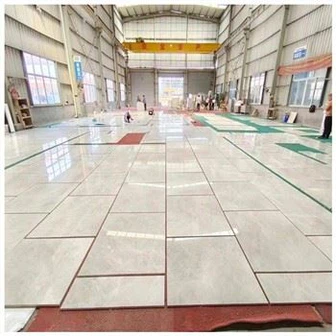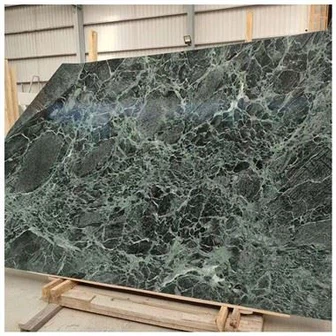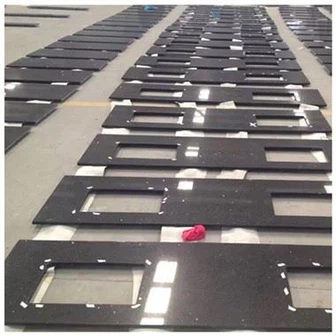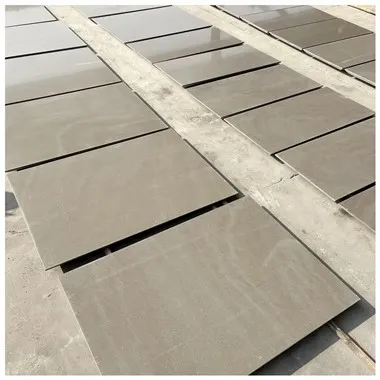
The Fabrication Guide for Taj Mahal Quartzite: Cutting, Polishing, and Edging
Quick Summary
The Fabrication Guide for Taj Mahal Quartzite: Cutting, Polishing, and Edging
Taj Mahal Quartzite is one of the most desirable stones in modern luxury architecture because it combines softness in appearance with serious structural performance. That combination is also what makes it difficult to fabricate. A slab that looks calm and elegant in the showroom can behave very differently under a saw, a polishing line, or an edge machine. The material demands control, patience, and the right shop equipment.
For fabricators, contractors, and project buyers, the real question is not whether the stone is beautiful. It is how to turn that beauty into a finished product without chips, burn marks, dull spots, or seam mismatch. A proper Taj Mahal Quartzite fabrication guide has to explain the entire chain, from block selection to final edge polish. That is especially important when the project involves Taj Mahal Quartzite Countertops, integrated sinks, waterfall islands, or large architectural wall pieces.
KA UNITED works with project buyers who need practical guidance as well as supply support. In that context, Taj Mahal Quartzite is not just a product name. It is a fabrication challenge, a quality benchmark, and a long-term asset when handled correctly.
Buyers exploring the product family can review Taj Mahal Quartzite, Taj Mahal Quartzite Slab, and Taj Mahal Quartzite Countertops as the core format references for fabrication planning.
1. The Geological Origin and Fabrication Impact
1.1 The Brazilian Shield and mineral purity
The fabrication behavior of Taj Mahal Quartzite begins with its geology. This stone comes from quartz-rich sandstone that has undergone extreme heat and pressure in Brazil's shield geology. The result is a rock body with high quartz purity and strong crystalline bonding. In practical terms, that means the material is hard, dense, and resistant to the kinds of failures that softer stones can show under pressure.
That geology is the reason the stone can be so elegant and so demanding at the same time. It is not soft like marble. It is not granular like many granites. It is a true quartzite with a tightly bonded crystalline structure. A direct quartzite exporter or Taj Mahal Quartzite manufacturer must understand this structure because the wrong block can create hidden tension, internal stress, and unpredictable cutting behavior.
1.2 Why true quartzite behaves differently under a saw
"True quartzite" behaves differently from "soft quartzite" or mislabeled stone because the mineral bonds are tighter and the quartz content is significantly higher. Under a saw, this means the stone cuts harder, wears tools faster, and produces more heat if the operator moves too aggressively. That is why disciplined feed rates and proper coolant management are essential.
In other words, the stone does not forgive rushed work. It rewards precision and punishes shortcuts. This is one reason Brazilian quartzite factory teams use block screening, tension checks, and careful orientation planning before cutting begins.

1.3 Block selection and internal tension
The role of the exporter is especially important because the quality of the raw block determines the quality of the finished slab. A block with internal tension may look fine at the quarry, but it can open up during cutting or stress the saw line during fabrication. The best premium exotic stone supplier will choose blocks with minimal fissures and stable structure before they ever reach the gang-saw.
Buyers who want to understand finished product routes can also review Taj Mahal Quartzite Tiles and Taj Mahal Quartzite Vanity Top, which demonstrate how block quality influences both slab and cut-to-size formats.
2. Technical Performance Matrix: Properties for the Fabricator
Fabrication starts with numbers. The table below summarizes the stress-related profile that matters most when working with Taj Mahal Quartzite.
| Property | Taj Mahal Quartzite | Standard Granite | Carrara Marble |
|---|---|---|---|
| Mohs Hardness | 7.0 – 7.5 | 6.0 – 6.5 | 3.0 |
| Quartz Content | 93% – 99% | 20% – 40% | 0% |
| Water Absorption | 0.02% – 0.08% | 0.15% | 0.20% |
| Flexural Strength | 20.5 MPa | 15.0 MPa | 10.0 MPa |
| Abrasive Index | Very High | High | Low |
| Cutting Difficulty | High | Moderate | Low |
The table explains why the Brazilian quartzite factory must use high-power CNC machines, stable saw lines, and disciplined water-cooling systems. A stone with this level of hardness is not difficult because it is fragile. It is difficult because it is highly resistant to being altered. That resistance is exactly what the final client wants, but it is also what makes the fabrication shop's job harder.
The strong quartz content is why wholesale Taj Mahal Quartzite slabs are valuable for kitchens and hospitality projects. The stone can support heavy use after fabrication, but only if the shop handles it correctly from the first cut onward.
2.1 Why these numbers matter for kitchens
The technical verdict is straightforward: hard stone is safer for the final user, but it requires more skill in the shop. That is why a buyer should work with a Taj Mahal Quartzite wholesaler that understands both sourcing and fabrication. The supplier must know how the slab will be used so the fabrication plan matches the real-world load and edge demands.
For related product routes, buyers may review Taj Mahal Quartzite Slab and Taj Mahal Quartzite Wash Basin to see how the same stone adapts to different finished formats.
3. Tooling and Equipment: The 2026 Inventory Standard
3.1 Quartzite-specific diamond blades
One of the biggest changes in 2026 fabrication is the shift toward quartzite-specific diamond segments. Standard granite blades can work, but they wear faster and may not produce the same edge quality on dense quartzite. A blade optimized for Taj Mahal Quartzite must balance cutting speed, segment durability, and cooling response.
This matters because hard stone does not just consume tools. It also exposes weak tooling quickly. That is why the best shops keep dedicated blades for quartzite rather than treating it like a generic countertop stone.
3.2 RPM, feed rates, and overheating
Slow and steady cutting prevents overheating. Aggressive feed rates can create burn marks, resin discoloration in polishing systems, or micro-chipping along the edge. The material is strong, but it is also sensitive to bad technique. Proper RPM and feed control protect both the machine and the slab.
In many shops, the lesson is simple: if the operator tries to force the cut, the stone will respond by chipping, heating, or binding. A disciplined shop gives the blade time to work.
3.3 Water management and crystalline blow-outs
High-pressure cooling is necessary because quartzite generates significant friction during cutting. Without sufficient water, the stone can overheat and produce edge blow-outs or internal fracture lines. That is especially dangerous when working with Taj Mahal Quartzite Slabs intended for visible kitchen faces or waterfall runs.
This is one reason a custom stone fabrication shop must treat water management as a core part of the process rather than a side detail. The cooler the cut, the cleaner the result.

4. The Cutting Phase: Navigating Tension and Patterns
4.1 Managing internal tension
A relief cut protocol is often the safest way to manage internal tension in wholesale Taj Mahal Quartzite slabs. This approach reduces the chance that the slab will move unpredictably as the saw enters or exits the material. It is especially useful for jumbo slabs and long-format pieces used in islands or large counters.
The goal is not speed. The goal is a stable cut path that preserves the slab and reduces waste. This is where experience matters more than raw machine power.
4.2 Pattern mapping
Modern digital slab-smithing allows fabricators to align linear veins and plan the cut sequence before production begins. For premium Taj Mahal Quartzite, that matters because the slab may be used for waterfall edges, book-matched walls, or paired counter faces. Pattern continuity is part of the value proposition.
The best importer or fabricator does not simply cut where the machine is most convenient. They cut where the visual story is strongest.
4.3 Avoiding chipping
Chipping is most common at the blade entry and exit zones. To reduce it, the fabricator should support the stone properly, use the correct blade, and maintain stable feed speed. Backing material and clean edge support also help. On a stone like Taj Mahal Quartzite, even small chips can become highly visible because the surface is so elegant and light-toned.
For buyers comparing applications, Taj Mahal Quartzite Countertops and Taj Mahal Quartzite Tiles are the most common formats where cutting quality becomes immediately visible.
Pro-Fabricator Parameters for Taj Mahal Quartzite (2026 Standards)
| Operation Step | Recommended Setting | Tool Specification |
|---|---|---|
| Initial Straight Cut | 1.5 - 2.0 meters/min | Quartzite-Specific Diamond Blade |
| Miter/45° Cutting | 0.8 - 1.2 meters/min | High-Precision Silent Core Blade |
| Spindle Speed (RPM) | 1800 - 2200 RPM | Standard Bridge Saw Setting |
| Water Flow Rate | Maximum (Constant) | External + Internal Cooling |
5. Polishing and Surface Refinement
5.1 The grit sequence
Polishing quartzite requires patience. Skipping steps can leave dull spots or inconsistent shine, especially on lighter stones where every imperfection shows. A proper grit sequence is essential to bring the face from a raw cut finish to a deep, even polish.
A premium Taj Mahal Quartzite manufacturer should pre-polish slabs to a First Choice standard before export. That reduces downstream risk and helps the buyer trust the material without having to rework it later.
5.2 Face polishing versus edge polishing
Face polishing is about reflectance and consistency. Edge polishing is about continuity and clean geometry. In both cases, the goal is to support high visual quality without overworking the stone. Quartzite can reach a very high light reflectance value when polished correctly, but rushed polishing can leave a cloudy or uneven finish.
The best fabricators understand that the edge is not separate from the face. The whole stone has to read as one complete surface system.
5.3 First Choice pre-polishing
When a slab is pre-polished to a strong factory standard, the job site becomes easier. The installer sees fewer surprises, the client sees a more consistent finish, and the project stays closer to budget. That is one reason premium exotic stone supplier relationships are so valuable for luxury work.
Buyers who want finished product examples can also review Taj Mahal Quartzite Low Plinth Tables and Taj Mahal Quartzite Vanity Top.
5.5 Troubleshooting: Handling Jumbo-Size Taj Mahal Slabs
When working with extra-large islands (3000mm+), Taj Mahal Quartzite requires specific handling to prevent structural stress:
- Stress Relief Cuts: Always perform small perimeter relief cuts on the slab before the main longitudinal cut to release natural internal tension.
- Waterfall Alignment: For 2026 luxury designs, ensure the vein-match at the mitered edge is planned digitally. KA UNITED's high-purity slabs offer consistent movement that makes invisible seams much easier to achieve.
- Sink Cutouts: Use a radius of at least 10mm in all corners to avoid stress concentration points that could lead to cracking in high-use kitchen areas.

6. 2026 Edging Trends: From Minimalist to Monolithic
6.1 The mitered edge
The mitered edge remains one of the most requested details in 2026 because it creates the illusion of a thicker slab. On a kitchen island, that visual weight makes the stone feel monolithic and architectural. With Taj Mahal Quartzite, the effect is especially elegant because the soft cream background supports the illusion without looking heavy.
The mitered edge is also technically demanding. It requires a clean cut, accurate angle control, and excellent seam matching. This is a hallmark of advanced custom stone fabrication.
6.2 Waterfall detail
Waterfall edges are all about continuity. The vein must flow from the horizontal plane down to the vertical face without a jarring stop. That is why slab selection and pattern mapping matter so much. The best fabricator plans the waterfall before cutting, not after.
Buyers can see how Taj Mahal Quartzite moves through different formats by comparing Taj Mahal Quartzite Countertops and Taj Mahal Quartzite Slab.
6.3 Ogee and bullnose
Traditional edges like ogee and bullnose have not disappeared, but they are used more selectively in 2026. Minimalist projects prefer crisp geometric lines. Transitional projects may still use softer profiles. The important thing is that the edge profile should match the personality of the room.
In premium work, edge choice is not decorative afterthought. It is part of the material language.
7. Taj Mahal vs. Marble: Why Fabricators Must Know the Difference
7.1 The acid test
Quartzite and marble cannot be fabricated or installed the same way. Marble requires etch protection and more chemical caution. Quartzite does not. That is a major practical difference for installers and end users. A stone that can tolerate more abuse in the kitchen or hospitality area is far easier to spec for real life.
7.2 Density issues
wholesale quartzite tiles and slabs also require different thin-set and adhesive strategies than marble because quartzite is denser and harder. If the adhesive is poorly chosen, the installation can fail or telegraph through the face. The substrate, mortar, and setting system should all be selected with quartzite in mind.
This is one of the reasons contractors prefer working with a supplier that understands both fabrication and installation. It is not enough to sell the stone. The supplier must understand how the stone is actually used.
7.3 The sugar grain factor
High-quartz materials can sometimes show a sugar-grain effect at the edge or cut face if the wrong technique is used. That means the edge may appear weak or crumbly even though the stone itself is strong. Good tooling, correct feed, and proper support reduce this risk dramatically.
When a project calls for Taj Mahal Quartzite Tiles or a mixed-format wall and floor program, edge quality becomes especially important because the stone is seen from multiple directions.
8. Installation Engineering: Handling the Weight of Luxury
8.1 Substrate preparation
A 3cm quartzite slab is heavy. Before installation, the contractor must calculate load-bearing capacity and make sure the cabinetry or wall structure is prepared for the weight. This is especially true for islands, large counters, and vertical cladding systems.
The stone itself may be beautiful, but the structure underneath it decides whether the project succeeds or fails. That is why a careful installer is just as important as a careful fabricator.
8.2 Adhesive chemistry
White, non-staining, moisture-neutral epoxies are mandatory for custom stone fabrication because any visible adhesive bleed can ruin the appearance of a light quartzite. The adhesive should support the stone without discoloring it, especially in edge profiles and seam zones.

8.3 Matched-color seam kits
A reliable Taj Mahal Quartzite wholesaler should provide matched-color seam kits so the final installation maintains a clean visual line. Seam color matters a great deal in beige and cream stones because even a small tonal mismatch can be visible under strong light.
Buyers can also review Taj Mahal Quartzite Wash Basin and Taj Mahal Quartzite Vanity Top for more installation-sensitive product examples.
9. Safety and Regulatory Compliance in 2026
9.1 Silica safety
High-quartz stone demands serious dust control. Wet processing is the safest and most responsible method. In 2026, shops that work with quartzite should treat water suppression, extraction, and PPE as mandatory, not optional. This is not just a regulatory issue. It is a worker safety issue.
9.2 Ergonomic handling
Vacuum lifters and proper lifting systems are essential in the Brazilian quartzite factory. The slabs are heavy, and the stone is valuable. Good handling reduces breakage, protects workers, and preserves the slab family for export.
9.3 Environmental ESG
Water reclamation and slurry management are increasingly important in custom stone fabrication. Buyers with LEED-oriented projects may also ask for carbon-footprint documentation. A direct quartzite exporter can help provide that chain of evidence and make the procurement story more defensible.
This is especially relevant for larger commercial tenders where sustainability has become part of the bid evaluation.
10. Pricing Logic: Why Fabrication Costs More for Taj Mahal
10.1 Tooling wear-and-tear
Fabricating Taj Mahal Quartzite costs more because the stone consumes tools faster. Diamond blade wear can be substantially higher than in granite work, which raises production costs. This is not a flaw in the stone. It is simply the price of working with a harder, denser material.
The buyer should expect the fabrication quote to reflect this reality. A low fabrication number for quartzite often means someone is underestimating the material.
10.2 Labor hours
Quartzite takes longer to cut, polish, and edge than many granites. That means more labor hours and more shop coordination. A premium exotic stone supplier quote often includes a hard-stone premium because the material asks for more time and more attention throughout the process.
10.3 Value proposition
Even with the higher fabrication cost, quartzite often wins because the final product performs better and lasts longer. The owner gets better durability, stronger resale value, and a more refined luxury signal. That is why Taj Mahal Quartzite Countertops and related products continue to be in high demand.

11 High-Intent Fabrication FAQ
Can Taj Mahal Quartzite be cut with a standard granite blade?
It can sometimes be cut, but that does not mean it should be. Taj Mahal Quartzite is harder and more abrasive than standard granite, so a granite blade will generally wear faster and may not produce the best edge quality. Quartzite-specific diamond blades are the safer choice. They are designed to handle the material's density, reduce chipping, and improve cutting consistency.
How do you prevent the edges of Taj Mahal from yellowing?
Yellowing is usually prevented by proper sealing, clean adhesives, and careful moisture control. The edge should be handled like the face, not ignored as a hidden zone. If moisture, oxidation, or adhesive bleed reaches the edge, the stone can lose its clean appearance. Good fabrication practices reduce this risk significantly.
Is it possible to repair a chip in Taj Mahal Quartzite?
Yes, in many cases. Quartzite chips can often be repaired with color-matched resin, careful filling, and finishing work from a skilled fabricator. The repair may not disappear completely in every lighting condition, but it is often much more successful than repairs in engineered materials because the stone itself is natural and can be reworked by an experienced shop.
Where is the best Taj Mahal Quartzite manufacturer for pre-fabricated projects?
The best manufacturer is the one that can coordinate slab selection, pre-fabrication, and export packaging with consistent quality control. For pre-fabricated projects, the supplier should also understand how the product will be used in the field and should provide cut plans that match the final installation. KA UNITED supports that project-based mindset.
12. Conclusion: Excellence in Every Cut of Taj Mahal Quartzite
The fabrication lesson is clear: superior fabrication turns a raw slab into a legacy asset. Taj Mahal Quartzite is one of the best stones in the world, but only if it is selected correctly, cut correctly, polished correctly, and edged correctly. The material is unforgiving of shortcuts, but it rewards disciplined craftsmanship with a result that feels premium, durable, and timeless.
For the next commercial tender or luxury residential package, KA UNITED can support sourcing, planning, and custom stone fabrication quotes with the attention this material deserves. For the most comprehensive guide on grading and sourcing, revisit: 2026 The Ultimate Guide To Taj Mahal Quartzite.
Fabricating Taj Mahal Quartzite is an art form that balances technical discipline with material respect. While its hardness challenges even the most experienced shops, the results-a lifetime of durable, marble-like elegance-are unmatched by any other natural or engineered surface.
At KA UNITED, we don't just understand the fabrication process; we provide the foundation for it. As one of China's earliest pioneers in Taj Mahal Quartzite, we have built a supply chain that guarantees quality from the very first step. By importing over 300 containers (20'GP) of premium, high-quality jumbo blocks annually directly from Brazil, we ensure our clients receive the most structurally sound material on the market.
The KA UNITED Inventory Advantage:
Our Shuitou Luxury Stone Warehouse currently holds an expansive inventory of over 3,000 square meters of 18mm/20mm full slabs. Whether you are managing a boutique residential kitchen or a large-scale commercial development, we have the stock ready for immediate inspection and dispatch.
Partner with the experts who know Quartzite from the quarry to the kitchen.
Request Our 2026 Slab Catalog & Stock List
Related Taj Mahal Quartzite News | Blogs Reading
2026 The Ultimate Guide To Taj Mahal Quartzite
The main authority page for grading, origin, and market positioning.
Is Taj Mahal Quartzite Value to Buy?
Useful for ROI and value analysis in premium procurement.
Why Choose Taj Mahal Quartzite
Selection logic and core buyer questions for the material.
60 Pcs Taj Mahal Quartzite Blocks One the Way
Block-volume and shipment context for large projects.
Art Flow Luxury Stone Taj Mahal Quartzite
Design inspiration for visual application and styling.
Top 5 FAQs of Taj Mahal Quartzite
Quick answers for procurement teams and homeowners.
Taj Mahal Quartzite vs Macaubas Fantasy 2026: Which Brazilian Quartzite is Better?
Direct comparison reading for design and sourcing decisions.
Taj Mahal Quartzite vs Granite vs Marble 2026: Why Quartzite Wins for Durability?
Comparison guide for durability-focused buyers.
Taj Mahal Quartzite vs Engineered Quartz 2026: Ultimate Durability Test & Comparison
The companion guide for countertop material comparison.
How to Grade Taj Mahal Quartzite Blocks: A Guide from Direct Brazilian Importers
Block-level selection and importer guidance.
Why Sourcing Taj Mahal Quartzite Slabs from China Delivers the Best ROI in 2026?
Procurement and logistics strategy for international buyers.
Taj Mahal Quartzite Fabrication Guide 2026: Cutting, Polishing & Edging Solutions
Fabrication advice for contractors and installers.
Best Kitchen Cabinet Colors to Pair with Taj Mahal Quartzite Countertops 2026
Design support for kitchen planning and color coordination.
Taj Mahal Quartzite Beyond Countertops: Backsplashes, Feature Walls & Floors 2026
Broader use cases beyond the kitchen island.
Top 2026 Kitchen Design Trends Featuring Taj Mahal Quartzite Countertops
Trend analysis for modern luxury kitchens.
The Complete Guide to Sealing & Cleaning Taj Mahal Quartzite (2026 Expert Tips)
Care and maintenance strategies for long-term performance.
Semantic Closure Content Block
How should buyers think about Taj Mahal Quartzite in fabrication?
Buyers should think of this stone as a high-performance natural material that requires skilled handling but rewards that skill with exceptional results. It is not difficult because it is weak. It is difficult because it is strong. That strength is exactly why it performs so well in kitchens, lobbies, wall systems, and luxury furniture. The better the fabrication, the more the stone looks like a legacy asset rather than a commodity surface.
Why does cutting Taj Mahal Quartzite require more discipline?
Because the stone is dense, hard, and highly abrasive, it punishes rushed tooling and poor water management. The cutter must manage heat, feed rate, and support very carefully. A good cut preserves the slab's visual integrity, reduces waste, and protects the final edge quality. In quartzite, fabrication discipline is part of the value chain, not an optional extra.
What should a project team consider before choosing slabs or tiles?
The team should think about scale, seam visibility, edge profile, and whether the stone will be seen from one direction or many. Slabs are best when continuity matters; tiles are better when modular flexibility matters. The chosen format should reflect the room's function and the client's maintenance expectations.
Option: when should a designer choose quartzite over marble?
Quartzite should be the option when the project wants a marble-like look with far better resistance to heat, staining, and daily wear. Marble remains beautiful, but quartzite is usually the better choice in active kitchens, hospitality spaces, and commercial environments where maintenance risk is high. For many clients, quartzite is the more rational luxury.
Consideration: what makes a reliable direct importer valuable?
A reliable importer or exporter understands the entire journey from block selection to final installation. They know how to grade the stone, select the right slab family, plan fabrication, and coordinate shipping without losing quality. That is why a project-minded partner like KA UNITED matters. In premium stone work, the supplier is part of the engineering solution.
FAQ of Taj Mahal Quartzite
1. Can Taj Mahal Quartzite be cut with a standard granite blade?
It can sometimes be cut, but a standard granite blade is not the best choice. Taj Mahal Quartzite is harder and more abrasive than granite, so the blade will wear faster and may leave a poorer edge finish. Quartzite-specific diamond blades are safer, cleaner, and more efficient. They also reduce the risk of heat damage and edge chipping during the cutting phase.
2. How do you prevent the edges of Taj Mahal from yellowing?
Yellowing is usually prevented by correct sealing, proper adhesive selection, and strict moisture control. The edge should be treated as carefully as the face because any trapped moisture or adhesive bleed can change the color over time. A good fabrication shop will use non-staining materials and keep the stone dry during cutting and installation.
3. Is it possible to repair a chip in Taj Mahal Quartzite?
Yes. In many cases, chips can be repaired with color-matched resin, careful filling, and fine finishing. A skilled fabricator can often make the repair visually discreet, especially when the chip is small and the stone has a soft, forgiving background tone. The repair will usually be much more successful than a similar repair in many engineered surfaces because the stone is natural and can be reworked with precision.
4. Where is the best Taj Mahal Quartzite manufacturer for pre-fabricated projects?
The best Taj Mahal Quartzite manufacturer is the one that can manage block selection, slab mapping, fabrication, packing, and export timing as one coordinated process. For pre-fabricated projects, the supplier must also understand cutouts, edge details, and the exact installation plan. KA UNITED supports this kind of project-based sourcing because pre-fabrication success depends on communication and accuracy, not just inventory.
5. What is the best diamond blade for quartzite?
The best blade is usually a quartzite-specific diamond blade designed for hard, abrasive stone with strong segment retention and stable cooling behavior. It should be paired with proper water flow and a controlled feed rate. For Taj Mahal Quartzite, a blade built for dense quartzite will outperform a generic blade by producing cleaner edges, lower heat buildup, and fewer chips at entry and exit.
References
- ASTM International. ASTM C97/C97M Standard Test Methods for Absorption and Bulk Specific Gravity of Dimension Stone. ASTM International.
- ASTM International. ASTM C170/C170M Standard Test Method for Compressive Strength of Dimension Stone. ASTM International.
- Natural Stone Institute. Dimension Stone Design Manual. Natural Stone Institute.
- Natural Stone Institute. Stone Fabrication and Installation Best Practices. Natural Stone Institute.
- OSHA. Respirable Crystalline Silica Standard Guidance. Occupational Safety and Health Administration.
- U.S. Geological Survey. Mineral Commodity Summaries: Stone (Dimension Stone). USGS.
- Stone Federation Great Britain. Natural Stone Specification and Maintenance Guidance. Stone Federation GB.
- Tile Council of North America. Installation Guidance for Natural Stone Surfaces. TCNA.