Hotel Vanity Replacement-Part Schedule For Facility Operations
Hotel Vanity Replacement Part Schedule for Facility Operations
At a hotel renovation, a facilities manager showed me twelve spare drawer fronts that fitted none of the damaged rooms. The color looked close. The height looked right. The handle holes were 32 millimeters off, and the concealed fixing belonged to an earlier hardware revision. Don't ask me how I know, but a spare without a compatible code is just expensive storage.
I build the replacement record while the sample room and production data are still available. Waiting until opening day loses finish references, supplier contacts, tooling notes, and hardware generations. Here's what I'd do: ask what can fail, chip, stain, loosen, or disappear during normal operation, then give each replaceable item an identity facilities can read.

What a Hotel Vanity Replacement Part Schedule Includes
A hotel vanity replacement part schedule lists component code, description, compatible vanity types, dimensions, finish, handing, drilling pattern, hardware version, supplier, approved photograph, storage location, spare quantity, reorder information, and related drawing revision. I also note whether replacement requires a trade, sealant cure, water isolation, or removal of another component.
The live Hotel Bathroom Vanity Packages: Complete Guide to Tops, Cabinets, Sinks, Sizes, and Project Coordination keeps that list attached to the complete assembly. A drawer front may match the cabinet color but conflict with the runner. A top may match the surface but use a different sink cutout. Replacement planning begins with package compatibility, not appearance alone.
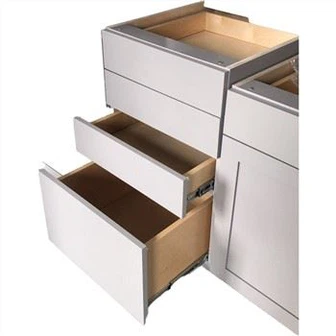
The bathroom cabinet range shows the variety of fronts, drawers, doors, finishes, and wall-hung arrangements that can enter a project. The final schedule records the actual project selection and any factory-specific drilling or hardware that future photographs may not reveal.
Separate consumables, service parts, and major components
I divide the list into three groups. Consumables include touch-up materials and approved sealant references. Service parts include hinges, runners, handles, brackets, and access-panel fixings. Major components include fronts, drawer boxes, side panels, basins, mirrors, and tops. The storage and replacement method differs for each group.
This is where you don't cheap out on labeling. The bag holding a hinge needs the component code and compatible vanity types, not only the hardware manufacturer's logo. A future technician should not have to remove a working hinge from another room to discover which one belongs.
Cabinet Hardware and Finish Records
Bathroom cabinet spare parts need exact drilling, overlay, opening angle, load class, finish, and adjustment information where applicable. I photograph the part beside its label and the installed condition. For a drawer runner, I record side, length, load class, release method, and matching drawer-box code.
Finish references need more than a marketing name. I keep the approved sample number, sheen, substrate, edge treatment, color batch if relevant, and a neutral-light photograph. Timber-look and painted fronts can age differently under bathroom light and cleaning. A replacement made years later may require an agreed range rather than an impossible promise of invisible matching.
The Bathroom Cabinet Supplier Guide for Hotel Vanity Project Orders helps establish who maintains those records. I ask for a final component list before the last production run closes, when compatible material and hardware are still easiest to secure.
| Replacement group | Record to preserve | Operational question |
|---|---|---|
| Drawer and door fronts | Size, handing, finish, drilling, approved sample | Can the front fit the existing box and hardware? |
| Hinges and runners | Model, length, load, overlay, release, generation | Can maintenance replace it without changing adjacent parts? |
| Handles and accessories | Centers, projection, finish, fixing, supplier code | Will the old holes remain covered and aligned? |
| Basin and fittings | Model, template, waste, overflow, tap pattern | Can the existing top and plumbing remain? |
| Vanity top | Material, thickness, edge, cutout, room code, slab or batch record | Can one top be remade without changing the cabinet? |
| Sealants and touch-up | Approved type, color reference, compatibility, date | Is the stored material still usable and appropriate? |
Vanity Tops, Basins, and Connected Components
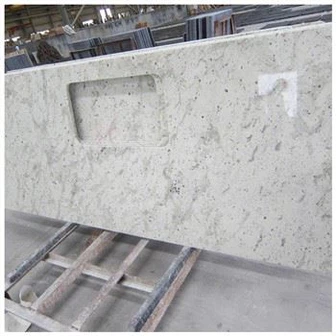
A damaged top is rarely independent. The basin, clips, waste, faucet, backsplash, wall return, cabinet support, and plumbing center define whether a replacement fits. The bathroom vanity top selection provides material routes, but the operations file needs the finished project geometry.

I preserve the approved top drawing, basin template revision, material reference, thickness, edge, cutout polish, faucet holes, backsplash, finished dimensions, and room code. For patterned quartz or sintered material, I note what degree of pattern variation the project accepted. For natural stone, I keep the approved range and full-face evidence instead of promising a duplicate vein.
The published Bathroom Vanity Top Materials for 2026 Projects explains how material behavior affects maintenance and replacement. This is where you don't cheap out on one retained production sample. A future color conversation is easier with a physical benchmark than a compressed screenshot.
Spare Quantity, Storage, and Reorder Timing
I do not use one spare percentage for every component. Damage frequency, lead time, storage life, color continuity, supplier availability, and replacement difficulty matter. Handles and hinges are easy to store. A long stone top is heavy, fragile, and room-specific. A painted front may be easy to remake if the coating record survives.
Storage needs a location map, environmental conditions, protection method, and annual check. Tops stay supported and identified. Finished fronts stay separated from abrasive packaging. Small hardware remains in sealed, labeled sets. Thank goodness for one inventory owner, because "we have spares somewhere" is not a maintenance plan.
Vanity component codes should match the room-type schedule and installed asset record. When a part is used, the log records room, date, cause, installer, remaining stock, and whether a reorder is needed. That history shows which components fail in real service and which spares are simply taking space.
Plan for discontinued finishes and hardware
Projects do not control how long a coating, hinge, runner, or faucet remains in a manufacturer's range. I ask the supplier to identify proprietary parts, expected availability, approved equivalents if known, and the last practical date for a supplementary production run. That record is not a lifetime promise. It is a decision point.
If a finish may be difficult to reproduce, I retain a labeled sample and the technical coating reference permitted by the supplier. For natural surfaces, I preserve accepted range photographs and any unused matching material. For manufactured tops, I record the exact color and production reference. Thank goodness for a dated sample when a name survives but the appearance changes.
I also agree who can approve a visible substitute years later. Facilities can replace a concealed runner by function, but a row of guestroom fronts may need design approval. This is where you don't cheap out on authority. One emergency repair should not quietly become a new hotel standard.
The final handover names that approver, the evidence required, and where the revised compatibility record will be stored after any substitution.
It also records the date and affected room types today.
The bathroom cabinet spare parts list and vanity component codes are updated together after approval.
The Hard-Won Lesson: Store Compatibility, Not Just Quantity
A resort stored eight spare white vanity tops after handover. Three years later, a damaged suite top needed replacement. The spare had the right width and color family, but the faucet pattern and basin cutout belonged to a standard room. Modifying it would have weakened the narrow bridge behind the bowl. The team ordered a new top and kept paying to store eight incompatible pieces.
The Lesson: Label every spare with its compatible room codes, drawing revision, basin, faucet pattern, and connected hardware before it enters storage.
Understanding Vanity Replacement Records in Today's Hotel Market
Why replacement planning belongs before handover
A hotel facilities handover is the last easy moment to collect drawings, samples, photographs, component codes, supplier contacts, and spare inventory. After subcontractors leave, one missing model number can turn a simple repair into several room closures and a chain of guesses.
What to do when the exact component is discontinued
I compare function, dimensions, drilling, finish, load, and connected parts before accepting a substitute. The project records the approved alternative and every vanity type it affects. Here's what I'd do: test the substitute on one serviceable unit before changing the hotel inventory.
How a problem should be escalated
Photograph the damaged part, label, complete vanity, and connected condition. Stop modification until compatibility is checked. Then send the supplier the room code, original approval, drawing, component record, and failure description. That sequence protects evidence and avoids turning one broken part into three altered ones.
A usable replacement schedule begins with the same room-package decisions covered in Hotel Bathroom Vanity Packages: Complete Guide, so future parts can be matched to the original cabinet, top, sink, faucet, finish, and room code.
Frequently Asked Questions
1. When should a vanity replacement schedule be prepared?
Build it before repeated production closes, then finalize it during handover. That timing preserves compatible finishes, hardware generations, drawings, samples, supplier records, and realistic spare quantities.
2. How many spare vanity tops should a hotel keep?
There is no universal percentage. Decide by room variants, damage risk, material continuity, cutout pattern, lead time, storage capacity, replacement difficulty, and whether the approved surface can be remade later.
3. What records are needed for cabinet hardware?
Keep manufacturer and project code, model, dimensions, handing, drilling, overlay or runner length, load class, finish, adjustment method, compatible vanity types, approved photograph, and storage location.
4. Can a close color match replace the original vanity front?
Only after compatibility and appearance are approved. The front must also fit the existing box, drilling, edge, handle, hinge or runner, and adjacent aged finishes. A color name alone is not enough.
5. What should facilities do first when a vanity part fails?
Photograph the complete vanity, failed part, label, and room code; stop destructive removal; then compare the evidence with the hotel vanity replacement part schedule and original package record before ordering or modifying anything.
Quick-Reference Checklist for Vanity Replacement-Part Handover
- Assign one code to every replaceable cabinet, top, basin, and hardware item.
- Record compatible room types, handing, dimensions, drilling, finish, and revision.
- Photograph each spare beside its permanent label and approved benchmark.
- Store tops, fronts, hardware, and consumables under suitable protected conditions.
- Log every issued spare, affected room, failure cause, and remaining quantity.
- Test substitutes on one serviceable unit before changing the approved inventory.
Final Conclusion
A hotel vanity replacement part schedule must preserve compatibility, not merely count boxes. Record room codes, dimensions, handing, drilling, finish, hardware generation, basin and top geometry, storage, and reorder evidence while the production team still has them.
Don't ask me how I know: the cheapest spare is the one that actually fits. KA UNITED would rather identify one more component now than close a guestroom later while three departments guess.

References
- Bathroom Planning Guidelines, National Kitchen and Bath Association.
- Architectural Woodwork Standards, Architectural Woodwork Institute.
- Dimension Stone Design Manual, Natural Stone Institute.
- C920 Standard Specification for Elastomeric Joint Sealants, ASTM International.
- ANSI A117.1 Accessible and Usable Buildings and Facilities, ICC.
- Hospitality Design Guidance and Case Coverage, Hospitality Design.
- Bathroom Design Trends Study, Houzz.
- Search Essentials and Helpful Content Guidance, Google Search Central.