The Distinction Between Granite And Marble
Granite vs Marble: Where the Material Decision Actually Gets Made
I spend a good part of my working week reading spec sheets for countertops and vanity tops, and the same question shows up on most of them: granite or marble? Buyers usually ask it as a style question, but it is a performance question wearing a style hat. The two stones look different, yes, but the reason they land in different rooms and different budgets is physical. Sort out how each one behaves and the choice almost makes itself.
Let me give you the honest frame first. I do not sell either stone as better in the abstract. I try to sell the right stone for the job, and the job is set by where the surface sits and what touches it every day. So instead of a beauty contest, I am going to walk through the five properties I check when a buyer sends me a material decision: hardness, water absorption, acid and alkali resistance, application position, and the price logic behind each stone. That order follows the way a real order gets specified, not the way a showroom brochure is laid out.
One thing worth saying before I start. These two stones are not distant cousins. Granite is an igneous rock, formed when magma cools slowly underground and crystallizes into quartz, feldspar, and mica. Marble is a metamorphic rock, formed when limestone is squeezed and heated until it recrystallizes into calcite and dolomite. That difference in origin is the root of every difference in behavior that follows. Keep it in mind and the rest of this is just the same fact showing up in different rooms.
Hardness: 6 to 7 against 3 to 4
The first thing I check is hardness, because it decides whether a surface will still look clean in five years. The Mohs scale runs from 1 to 10, with talc at the bottom and diamond at the top, and it measures scratch resistance, not toughness. A stone that sits higher on the scale will not be scratched by anything that sits lower.
Granite lands at 6 to 7 on that scale. Its quartz and feldspar crystals are hard enough that a steel kitchen knife, which sits around 5.5, cannot leave a mark. I have watched buyers drag cast iron pans, slide plates, and cut near the edge of a granite top without ever seeing a line appear. That is not a sales pitch. It is just the mineral doing what the mineral does.
Marble lands at 3 to 4. Its calcite is soft enough that the same steel knife will cut into it, and everyday grit carried in from shoes or cleaning cloths can haze the polish over time. A marble surface does not fail suddenly. It wears, and the wear shows up first at the edges around a sink cutout or where utensils get set down. For a buyer who wants a surface to stay flawless under daily use, granite holds up better. For a buyer who is willing to accept a softer surface that develops character, marble is a fair trade.
This is the single largest gap between the two stones, and most of the practical advice in this article comes back to it. If you remember nothing else, remember that granite resists scratches and marble accepts them more easily.
Water Absorption and Why Sealing Schedules Differ
The second thing I check is how much water the stone takes in, because water is the delivery vehicle for almost every stain you will ever deal with. Both stones are porous to some degree, but granite is a tighter material. Its interlocked crystals leave little room for liquid to work its way in, and typical granite water absorption runs well under half a percent.
Marble is more open. Its softer, more porous structure absorbs liquids faster, which is why spilled oil, red wine, and coffee can sink in and leave a stain that is hard to pull back out. The difference shows up in how often each stone needs to be sealed. A granite countertop in normal use can often go a year or more between sealings. Marble wants sealing more often, and in a busy kitchen that interval can drop to a few months.
For a buyer, the water absorption question is really a maintenance question in disguise. If the surface will face standing water, soap, and occasional spills, granite needs less from you. If you are happy to stay on top of sealing because you want the marble look, that is a workable plan, but it is a plan you have to actually follow. I cover how the two stones compare on upkeep over time in our note on the advantages and disadvantages of each stone, and the short version is that granite forgives more neglect than marble does.
Acid and Alkali Resistance: The Etching Line
This is the property that catches buyers off guard, so I spend the most time on it. Granite and marble sit on opposite sides of a chemical line, and that line decides which cleaning products and which foods a surface can safely touch.
Granite is a silica-based stone. Its quartz content, which commonly runs from about 65 to 75 percent, makes it acidic in nature and gives it strong resistance to both acids and alkalis. Lemon juice, vinegar, wine, and tomato sauce can sit on a granite surface without leaving a chemical mark. This is why granite shows up in kitchens and in places where harsh cleaning products get used, and why it also holds up outdoors where rain and soil chemistry work against it.
Marble is a calcium carbonate stone, and calcium carbonate reacts with acid. When lemon juice or vinegar touches a polished marble surface, the acid eats a microscopic layer of the stone and leaves a dull, lighter spot called an etch. That etch is not a stain sitting on top. It is damage to the stone itself, and no sealer fully stops it. A sealer slows how fast liquid soaks in, but the acid reaction happens at the surface regardless.
The alkali side runs the other direction. Marble is alkaline because of its calcium carbonate, while granite is acidic because of its silica. This is why the two stones need different cleaning and rust treatments. A rust remover made for granite should not go near marble, and the other way around, because the chemistry that clears one surface can attack the other. It is a small detail that most people never hear about until a surface gets damaged, and it is the kind of thing I always flag for buyers who plan to clean their own tops.
If you want the fuller picture of what marble can and cannot take, we have a dedicated page on the stone properties of marble that covers its composition and its limits in more detail. The takeaway here is simple: granite takes acids and alkalis in stride, and marble does not.
Where Each Stone Belongs: Application Position
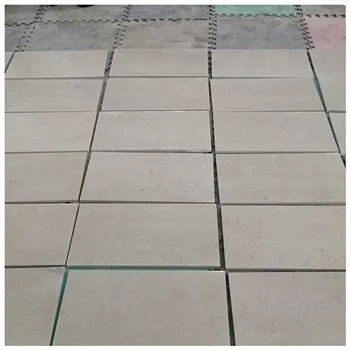
Once I know the hardness, the water absorption, and the chemistry, the application position usually answers itself. Granite earns its keep wherever the surface takes real contact. Kitchen countertops, high-traffic floors, stairs, and outdoor paving are all granite territory. Its hardness means it resists scratches, its low absorption means it resists stains, and its acid resistance means it shrugs off whatever the weather or the kitchen throws at it.
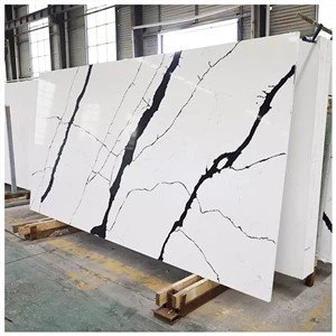
Marble earns its keep wherever the surface is looked at more than it is worked on. Indoor walls, windowsills, low-traffic floors, bathroom vanities, and decorative features are marble territory. It gives you the veining and the soft depth that granite does not, and in a vertical or low-contact position its softness and porosity stop being liabilities and become trade-offs you barely notice.
The rule I use with buyers is blunt: put the harder stone where the work happens and the softer stone where the looking happens. A granite kitchen counter and a marble bathroom vanity in the same house is not a compromise. It is the two stones doing the two jobs they were each built for.
Outdoor use is the cleanest test of this rule. Marble is an indoor material. Frost, rain, and airborne acids attack its calcium carbonate and dull its surface quickly. Granite, with its low absorption and chemical resistance, handles exterior exposure without the same decline. When a buyer tells me the piece is going outside, granite stops being a preference and becomes the only sensible answer.
Price Logic: What Actually Moves the Number
The last thing I check is price, but I frame it differently than most buyers expect. The question is not which stone costs more. Both granite and marble have wide ranges, and a plain grey granite can cost less than a rare book-matched marble while a dramatic exotic granite can cost more than an ordinary beige marble. The more useful question is what drives the number in each stone, because that tells you what you are actually paying for.
In granite, the price is driven mostly by color and consistency. A uniform black or a clean, consistent grain costs more than a mottled, unpredictable slab, because uniform material is harder to quarry and easier to match across a large order. The availability of the quarry and the finish you ask for also move the price. A polished finish is standard, but a flamed or bush-hammered surface for an outdoor stair adds processing steps and cost.
In marble, the price is driven mostly by vein and background. A bright white background with clear, controlled veining costs more than a grey or beige background with muddy movement. The quarry and the variety matter enormously, and the same basic material can jump several times in price when you move from a common variety to a rare, high-clarity one. Thickness and book-matching add to it, because book-matched panels have to be cut from a single block in sequence.
The procurement lesson here is to price the spec, not the material name. Two buyers can both say they want marble and end up with numbers that are a world apart, because one is buying a calm grey slab and the other is buying a book-matched white statement piece. I always ask buyers to fix the variety, the finish, the thickness, and the layout before we talk numbers, because those four things decide the quote far more than the word granite or marble ever will.
Granite vs Marble at a Glance
The five properties above line up cleanly when you set them side by side. This table is the version I keep in my head when a spec sheet lands on my desk.
| Factor | Granite | Marble |
|---|---|---|
| Stone type | Igneous, silica-based (quartz, feldspar, mica) | Metamorphic, calcium carbonate (calcite, dolomite) |
| Mohs hardness | 6 to 7, resists knife and grit scratches | 3 to 4, softer than a steel blade |
| Water absorption | Low, typically well under half a percent | Higher, absorbs liquids and stains more readily |
| Acid and alkali reaction | Resists both, no etch from lemon or vinegar | Etches from acids, needs alkaline-safe cleaning |
| Best position | Kitchens, floors, stairs, outdoor surfaces | Walls, vanities, windowsills, low-traffic indoor |
| Main price driver | Color consistency and quarry availability | Vein clarity, background tone, and variety rarity |
Read the table top to bottom and the pattern is consistent. Granite wins on performance, marble wins on appearance, and the two stones rarely compete for the same spot in a house. Most of my clients end up using both, just in different rooms.
Frequently Asked Questions
Which is harder, granite or marble?
Granite is the harder of the two by a wide margin. It rates 6 to 7 on the Mohs scale, which puts it above a steel knife blade, so everyday kitchen use will not scratch it. Marble rates 3 to 4, which means it is softer than that same blade and will pick up fine scratches over time, especially around sink cutouts and edges. If scratch resistance is what you care about, granite is the answer.
Does marble really get damaged by lemon juice?
Yes, and it happens fast. Marble is made of calcium carbonate, which reacts with acid, so lemon juice, vinegar, wine, and tomato sauce leave a dull, lighter mark called an etch on a polished surface. That mark is chemical damage to the stone, not a stain, and sealing slows staining but does not stop the acid reaction. Granite does not etch, which is the main reason it is the easier stone to live with in a kitchen.
Which stone absorbs more water?
Marble absorbs more water than granite. Granite has a tighter crystal structure and its water absorption typically runs well under half a percent, so liquids bead up and give you time to wipe them away. Marble is more porous and soaks liquids in faster, which is why oil, wine, and coffee stain it more easily and why it needs sealing more often than granite does.
Can I use marble outdoors?
I would not. Marble is an indoor material. Rain, frost, and airborne acids attack its calcium carbonate and dull the surface quickly, and repeated freeze-thaw cycles can crack it. Granite, with its low absorption and strong chemical resistance, holds up to exterior exposure far better. If the piece is going outside, granite is the practical choice and marble should be crossed off the list.
Is granite always cheaper than marble?
Not always. Both stones have a wide price range, and the material name alone does not set the cost. A plain grey granite can cost less than a rare book-matched marble, while an exotic, highly consistent granite can cost more than an ordinary beige marble. What moves the number in granite is color consistency and quarry availability, and what moves it in marble is vein clarity, background tone, and variety rarity. Fix the variety, finish, thickness, and layout before you compare quotes.
Final Conclusion
The distinction between granite and marble is not a matter of taste. It is a matter of hardness, water absorption, chemistry, position, and price, and each of the five points to the same practical split. Granite is the workhorse: harder, less absorbent, and indifferent to acids, so it belongs on kitchen counters, floors, stairs, and any surface that takes real contact. Marble is the showpiece: softer and more porous, with a surface that reacts to acid, so it belongs on walls, vanities, and low-traffic indoor spots where its veining gets seen and its limits rarely get tested.
My advice to any buyer is to stop asking which stone is better and start asking which stone fits the position. Most homes are better served by both, with granite carrying the working surfaces and marble carrying the decorative ones. That is the same framework I use when I help a client spec an order, and it is the honest answer I would give you when sourcing your stone with KA UNITED.